



Compact Sideboard
Compact antique sideboard designs offer clever storage for modest spaces, bringing timber character and period craftsmanship into smaller rooms without overwhelming the floor plan.
Compact Sideboard
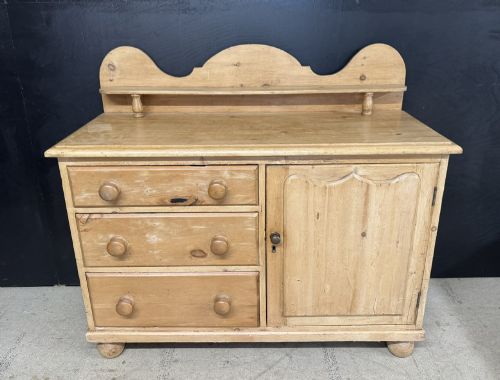
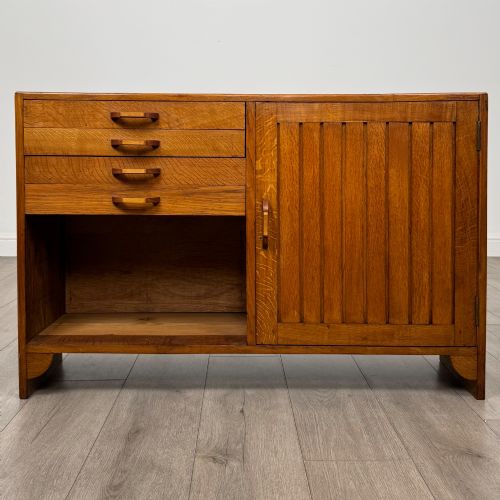
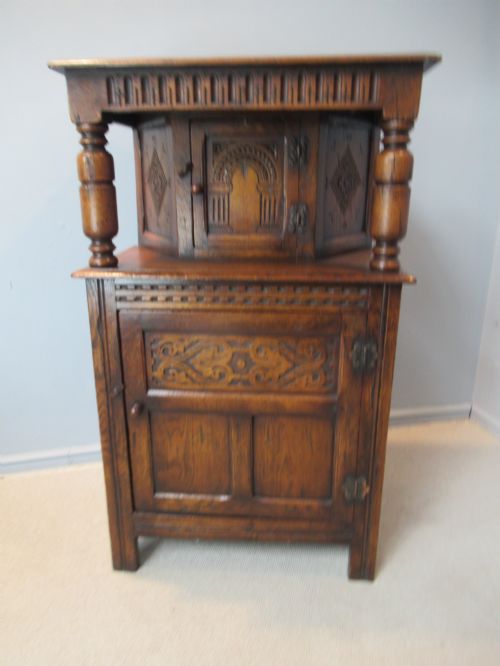
A compact antique sideboard serves as a practical storage piece designed for smaller rooms, merging surface utility with enclosed cabinet space. When searching for a compact antique sideboard, buyers encounter items built across various eras, ranging from early nineteenth-century Regency examples to later twentieth-century oak interpretations.
Originating from periods including the Victorian era and the nineteen-twenties, these smaller pieces reflect the demand for space-efficient furniture in historical homes. Makers and workshops adapted traditional proportions to suit tighter architectural footprints without sacrificing timber quality or decorative carving.
Materials and Construction
Cabinet makers utilised dense hardwoods like mahogany and durable oak to construct sturdy frames capable of enduring daily use. Flame mahogany veneers and satinwood added figured grain patterns to drawer fronts and door panels on finer output.
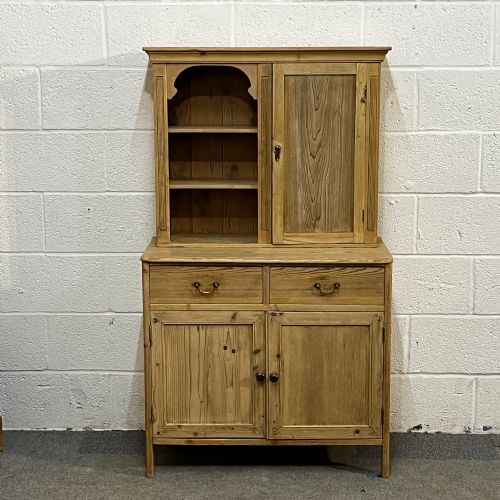
Solid pine and limed oak appeared across country pieces and twentieth-century modernist designs, offering lighter tones and simpler surface textures. Brass hardware, iron fittings, and carved detailing completed the construction, securing structural integrity alongside visual charm.
The selection spans from the mid-eighteenth century through the art deco era, featuring oak, mahogany, pine, and satinwood.
Evaluating Quality and Proportion
Quality rests in the precision of the proportions, where reductions in scale maintain balanced lines rather than looking pinched or awkward. Superior examples retain original timber patination, crisp carving, and smooth drawer action without structural alterations.
Finer pieces showcase carefully selected grain matching on drawer faces and doors, whereas simpler utility items rely on straightforward plank construction. The integration of period brass handles and intact interior shelving distinguishes workshop production from standard output.
Heals of London·Waring & Gillow
The Compact Sideboard Glossary
- Chiffonier
- A low sideboard featuring enclosed cupboards beneath a drawer or small upper shelf, popular during the nineteenth century. This form provided essential storage in dining rooms and parlours.
- Dwarf
- A descriptive term for furniture built significantly lower or shallower than standard proportions. These pieces were tailored for compact rooms.
- Kneehole
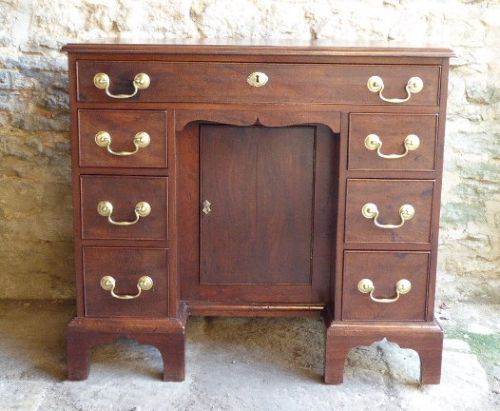
- A desk or sideboard featuring a central recess for the legs, flanked by pedestals of small drawers. This layout maximised storage while maintaining a shallow depth.
- Limed oak
- Timber treated with a white pigment or lime finish to highlight the open grain pattern. This technique gained favour in early twentieth-century interior design.
- Linen press
- A tall cabinet originally designed for storing folded textiles, typically featuring upper sliding trays and lower drawers. Compact variants reduced height for domestic use.
- Court cupboard
- A traditional enclosed cabinet featuring carved upper sections supported on short columns. These heavy oak pieces provided secure storage for household valuables.
Compact Sideboard: Frequently Asked Questions
Where should I place a small sideboard?
These compact pieces fit neatly into narrow dining rooms, hallways, or living spaces where standard furniture overwhelms the floor plan. Their modest depth allows them to serve as serving surfaces or storage consoles without blocking walkways.
Positioning them against a blank wall or beneath a mirror balances the visual weight of the room while keeping everyday items close at hand.
How do I care for antique mahogany surfaces?
Maintenance requires regular dusting with a soft, dry cloth to prevent grit accumulation on the polished timber. Avoid placing wooden furniture in direct sunlight or near heat sources to prevent the wood from drying out.
Occasional application of high-quality beeswax feeds the grain and maintains the natural lustre without building up heavy chemical layers.
What is the difference between a sideboard and a chiffonier?
A traditional sideboard functions primarily as a long serving table with integrated cupboards and drawers designed for dining room storage. A chiffonier is generally smaller and lower, often incorporating a small raised shelf or gallery on top.
Chiffoniers emerged as versatile cabinets for smaller nineteenth-century reception rooms, whereas sideboards were traditionally grander dining pieces.
How do I identify a twentieth-century oak piece?
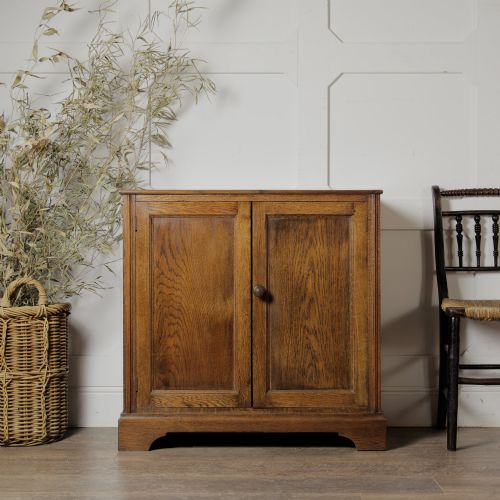
Twentieth-century oak furniture often displays simpler lines, lighter surface finishes, and solid construction methods influenced by Arts and Crafts or early modern ideals. Pieces from this era frequently utilise limed treatments or plain paneling rather than heavy Victorian carving.
Examining the drawer construction, interior timber, and hardware style helps distinguish these later interpretations from earlier historical periods.