


Commercial Hand Painted Signage
Commercial hand painted signage brings authentic trade history into interiors through painted wood, metal and glass.
Commercial Hand Painted Signage
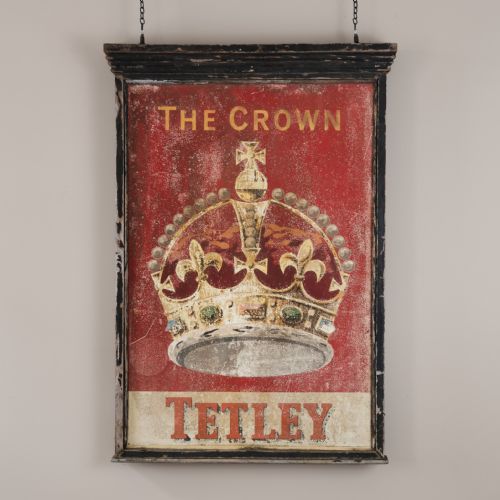
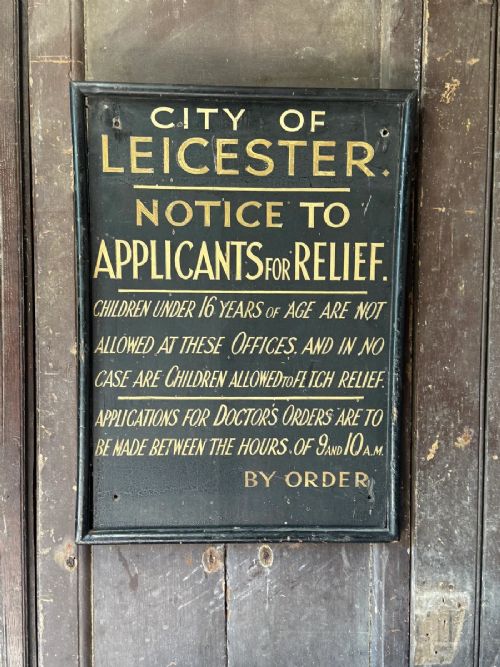
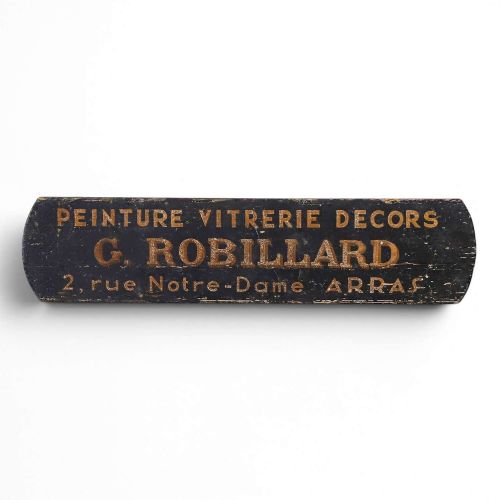
Commercial hand painted signage encompasses trade signs, pub signs and advertising boards produced to identify businesses and shops. These boards served public streets and shopfronts during the nineteenth and early twentieth centuries, functioning as practical markers for daily commerce.
Buyers encounter items fashioned from timber, pine, oak, iron and glass. Many retain original paint and lettering, reflecting the hands of signwriters working over a century ago.
Materials and Construction
These signs rely heavily on wooden supports such as pine, oak and general timber panels, often shaped and carved to suit specific trades. Metal and iron feature in hanging brackets and structural frames, whilst glass provides the base for specialised painted shop displays.
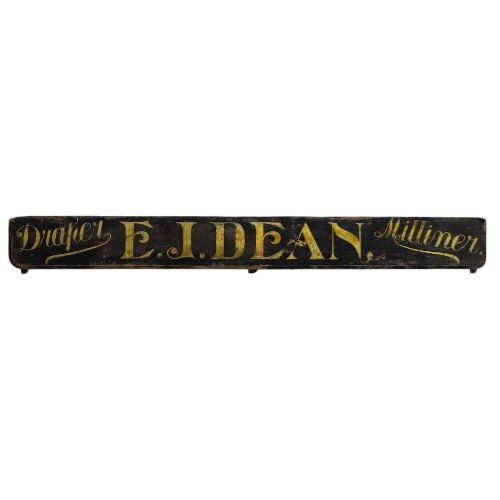
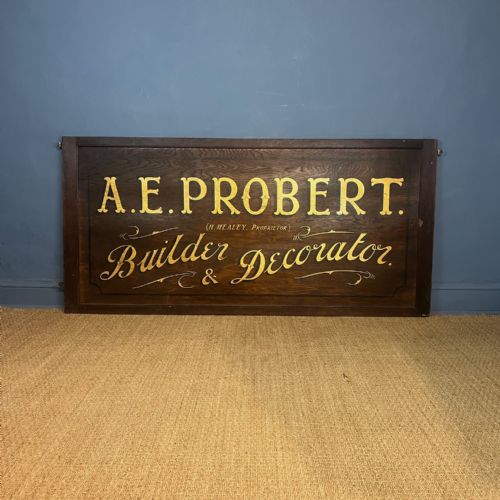
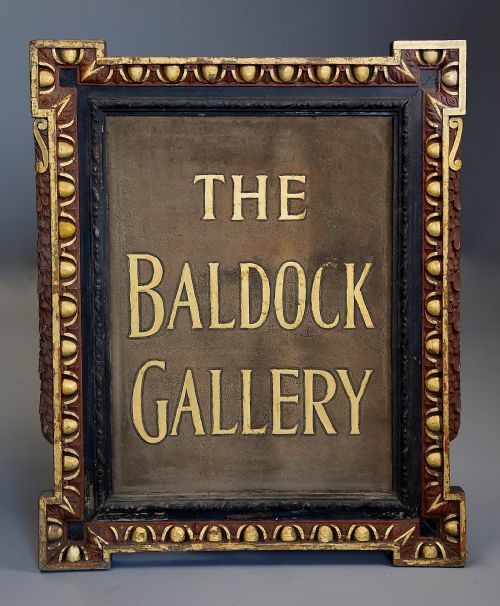
Makers applied hand-mixed pigments directly to prepared surfaces, frequently incorporating gold leaf for lettering and embellishment. Carved wood details add depth to panels designed for exterior exposure and indoor display alike.
Assessing Quality and Character
Quality in commercial hand painted signage rests upon the legibility and skill of the brushwork, alongside the survival of the original surface. Signs featuring clear lettering and untouched paintwork demonstrate superior visual impact.
The integrity of the physical substrate dictates durability, with well-preserved timber and secure framing maintaining the piece. Original mounting hardware and untouched patination elevate the character of surviving trade boards.
The Commercial Hand Painted Signage Glossary
- Trade Sign
- A board or hanging marker used by merchants and artisans to advertise their profession. These items hung outside shops and workshops to guide customers.
- Gold Leaf
- Extremely thin gold beaten into sheets, utilised for gilding lettering on signs. This material catches ambient light to ensure legibility.
- Pub Sign
- A specialised form of trade signage displayed outside drinking establishments. These often incorporated iron brackets and pictorial representations related to the public house name.
- Folk Art
- Utilitarian objects created by non-professional makers or tradesmen with distinct aesthetic merit. Shop signs frequently fall into this category due to their hand-rendered lettering and regional styles.
Commercial Hand Painted Signage: Frequently Asked Questions
How were trade signs displayed originally?
Tradesmen mounted these boards flat against exterior brickwork or suspended them perpendicular to the building using iron brackets. This placement allowed pedestrians approaching from either direction to read the business name easily.
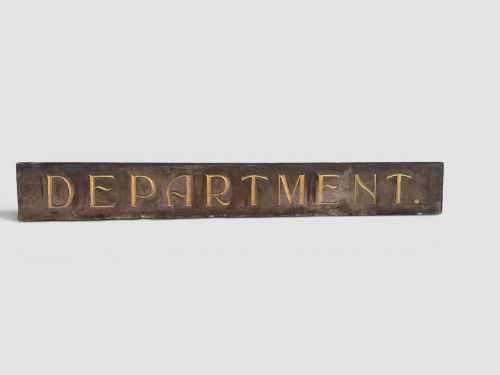
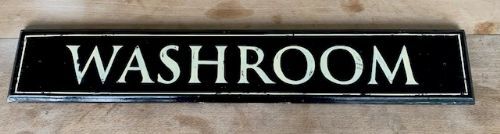
Inside establishments, smaller signage identified specific departments or restricted areas such as washrooms and administrative counters.
Can these signs be hung outdoors now?
Most surviving pieces spent decades exposed to weather and possess robust wooden or metal construction. However, modern exterior placement subjects historic paint and timber to dampness and temperature fluctuations.
Interior display remains the safest method for preserving original surfaces, gold leaf and fragile painted glass panels.
How do I identify a Victorian sign?
Nineteenth-century pieces often display characteristic serif lettering styles, heavy timber framing and dense layers of accumulated paint patination. Materials tend to include solid pine, oak or heavy iron brackets.
Stylistic cues match the decorative arts of the period, ranging from austere administrative boards to ornate Belle Epoque trade pieces.
What trades are commonly represented?
Surviving boards frequently advertise drapers, milliners, locksmiths, decorators and pharmacists. Pubs and department stores also generated substantial signage to guide the public.
Each profession utilised specific visual cues and nomenclature tied to the daily commerce of the nineteenth and early twentieth centuries.