



Commercial Filing Cabinet
Commercial filing cabinets are heavy-duty workspace pieces built to store documents efficiently, offering robust construction and period character.
Commercial Filing Cabinet
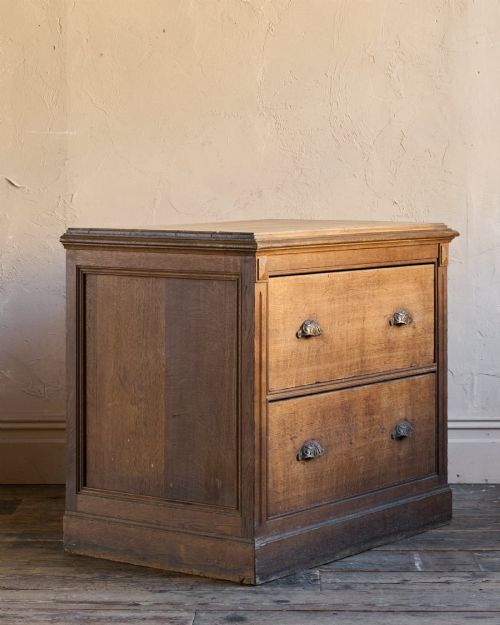
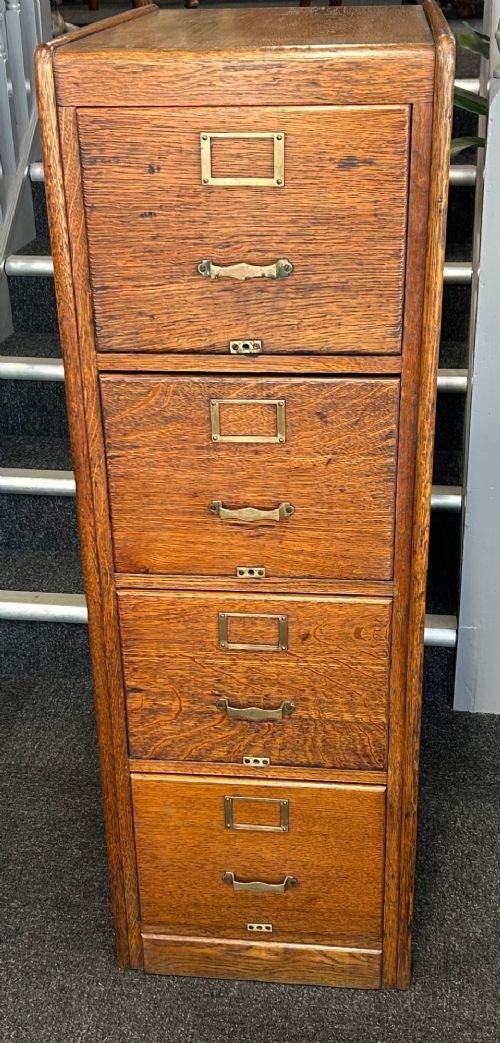
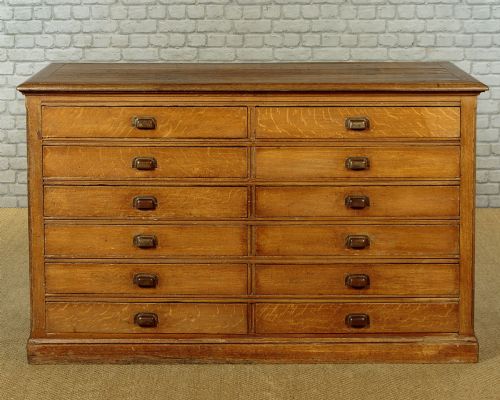
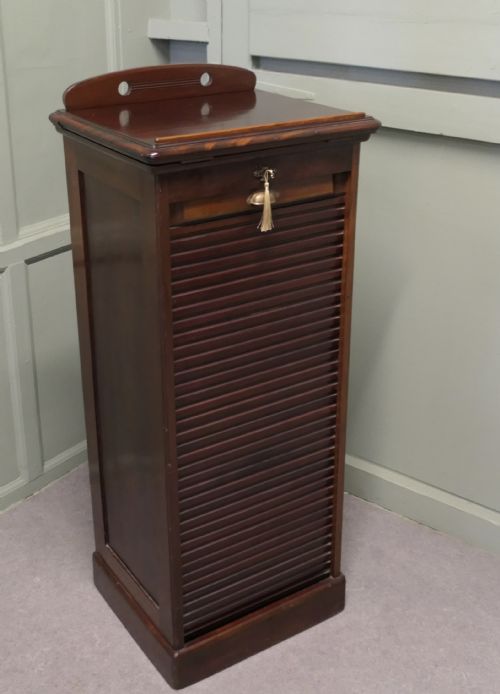
A commercial filing cabinet serves the practical purpose of document storage within an office or workspace, taking forms such as vertical filing cabinets, banks of drawers, and tambour front cabinets. When exploring this selection, buyers frequently encounter oak and mahogany vertical units alongside multi-drawer banks from the Victorian and Edwardian eras.
The objects span from the nineteenth century into the 1930s, encompassing styles like Victorian, Edwardian, and early twentieth-century commercial designs. These pieces range from tall vertical file holders to broad chests, banks of drawers, and pedestal units incorporating safes or cupboards.
Origins and materials vary across the selection, featuring pieces made from oak, walnut, mahogany, pine, metal, iron, and brass. Such cabinets bring functional storage and period craftsmanship into modern interiors, bridging historical office utility with domestic use.
Materials and construction
Makers constructed these cabinets using hardwoods like oak, walnut, and mahogany, alongside pine and sturdy metal or iron elements. Brass hardware appears frequently for handles, label holders, and locking mechanisms.
Construction methods prioritised durability for daily office use, employing robust drawer joints and sliding tambour fronts where appropriate. Timber frames were finished to highlight the natural grain, while iron and metal reinforced heavy-duty banker's drawers and safe cupboards.
Commercial Filing Cabinet Retail Price Guide 2026
Typical asking prices for commercial filing cabinet among the pieces listed under this phrase on Sellingantiques today, from the lower quarter to the upper quarter. They describe what is for sale here now, not the wider market.
Some Victorian pedestal units doubled as reception desk greeters while hiding a secure safe cupboard inside.
Assessing quality and craftsmanship
Quality in a commercial filing cabinet rests upon the selection of timber, the integrity of the joinery, and the retention of original hardware such as brass label holders and pulls. Superior examples exhibit precise drawer construction and smooth mechanical operation across tambour doors or patent letter files.
The balance between utilitarian strength and refined cabinetmaking distinguishes standard office furniture from finer pieces. Surviving elements like patent locking systems or maker signatures indicate higher production standards.
Shannon·Amberg
The Commercial Filing Cabinet Glossary
- Tambour front
- A door constructed of narrow vertical strips of wood glued to a flexible canvas backing, allowing it to slide smoothly around a curved track.
- Bank of drawers
- A multi-drawer storage unit designed to hold large quantities of paperwork or small items systematically.
- Pedestal filing cabinet
- A robust base cabinet often utilised beside desks or as reception furniture, sometimes combining drawers with secure cupboard space.
- Patent letter file
- An indexed filing mechanism patented by inventors such as Amberg to sort correspondence efficiently before modern vertical folders.
- Haberdashery cabinet
- A multi-drawer storage chest originally utilised in retail shops to organise small goods by category.
Commercial Filing Cabinet: Frequently Asked Questions
What materials were used for these cabinets?
Makers utilised timber such as oak, mahogany, walnut, and pine, alongside metal, iron, and brass fittings.
Hardwoods predominated in front-facing office furniture to ensure both structural strength and an appealing finish.
How were tambour front cabinets used?
Tambour fronts provided secure enclosure for office paperwork while saving space in crowded nineteenth and early twentieth-century workspaces.
The flexible wooden slats slid smoothly into the body of the cabinet when opened.
Where do patent letter files originate?
Patent letter files like Amberg's designs were developed to organise growing volumes of business correspondence systematically.
These systems introduced indexed dividers and specialised storage to early offices.
How can I date a wooden filing cabinet?
Dating relies on stylistic markers from periods such as the Victorian, Edwardian, and early twentieth-century eras, alongside construction techniques.
Hardware styles, timber choices, and patent stamps provide further chronological indicators.