






Commercial Advertising Display
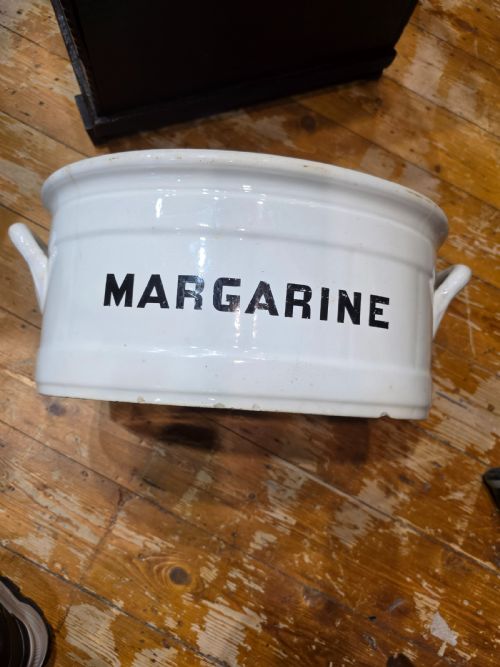
Commercial advertising display pieces are genuine trade artefacts built to sell goods, offering character and history that modern reproductions simply lack.
Commercial Advertising Display
When you search for commercial advertising display, you enter the realm of historical shopfitting, trade signage, and counter cabinets designed to promote familiar brands from past eras. These items served a purely commercial purpose in Victorian and Edwardian retail spaces, functioning as silent sales representatives for confectionery, tobacco, and household goods.
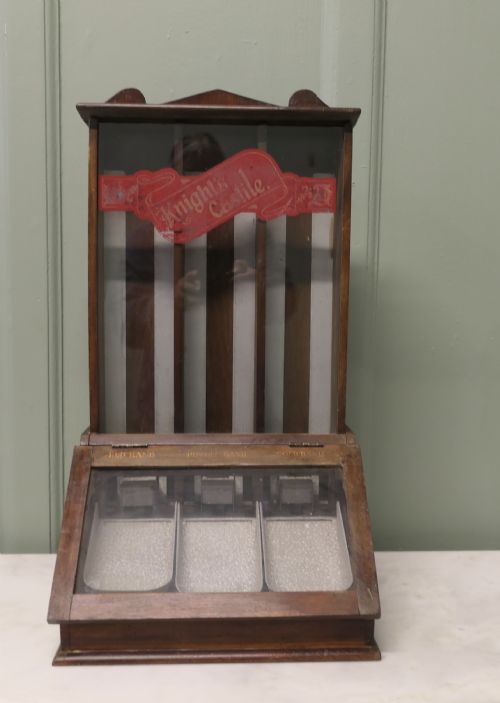
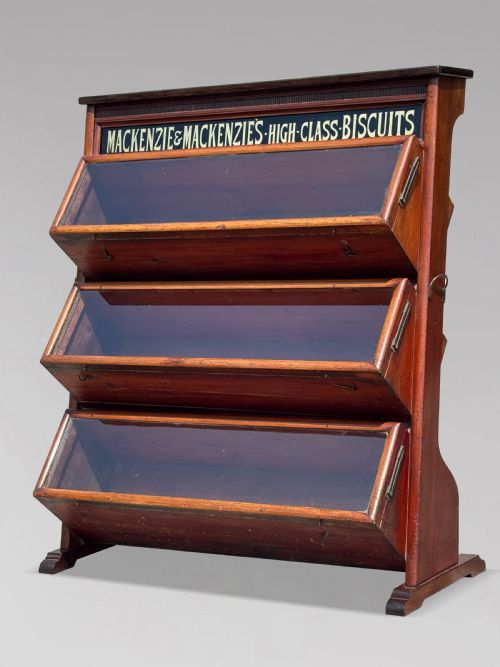
The selections available range from glazed mahogany counter cabinets and painted glass signs to unusual shop display models shaped like loaves of bread or butchery animals. Buyers meet a rich variety of items originating from the late nineteenth century through to the nineteen-thirties, reflecting the booming consumer culture of those decades.
Cabinets built for brands like Cadbury and Fry appear alongside trade signs and mechanical figures, showing how shopkeepers sought to capture the attention of passing customers. Each piece carries the physical evidence of its working life in high-street shops and tea rooms.
Materials and construction
Makers relied heavily on solid hardwoods such as mahogany and oak to construct durable display cabinets and vending units capable of withstanding daily retail use. Glass panels and glazed doors allowed customers to inspect goods while protecting delicate wares from dust and handling.
Signage and display figures demonstrate traditional craftsmanship in painted wood, iron, and glass, often enhanced by hand sign-writing. These surfaces display layered paintwork, gold leaf lettering, and carved details that showcase the commercial artistry of the period.
Commercial Advertising Display Retail Price Guide 2026
Typical asking prices for commercial advertising display among the pieces listed under this phrase on Sellingantiques today, from the lower quarter to the upper quarter. They describe what is for sale here now, not the wider market.
Listings feature oak and mahogany display cabinets alongside iron trade figures spanning the Victorian era to the nineteen-thirties.
Judging quality and authenticity
The distinction between ordinary utility items and superior commercial advertising display pieces lies in the crispness of the original sign-writing and the integrity of the materials. Pieces featuring untouched, factory-applied or hand-painted branding command greater appreciation than those with later repainting or heavy restoration.
Proportion, timber selection, and original hardware such as brass handles and maker's plaques separate standard shop fittings from top-tier examples. Finer cabinets retain their original glass panes and internal fittings, while trade figures show superior carving and naturalistic modelling rather than crude execution.
Mackenzie's Biscuits·Watsons Matchless Soap·Ermen & Roby·Cadbury's Cocoa·Wills Capstan·Venus Pencil
The Commercial Advertising Display Glossary
- Trade sign
- A board, figure, or illuminated fixture hung outside or inside a shop to advertise a specific trade or brand. These objects were often carved or painted by local artisans.
- Haberdashery cabinet
- A multi-drawer retail unit featuring glass fronts or glazed pull-outs designed to display small sewing goods and ribbons. They are prized by modern interior decorators for storage.
- Sign-writing
- The traditional craft of painting lettering and commercial graphics by hand onto wood, glass, or metal surfaces. Skilled practitioners used specialist brushes to achieve clean, durable results.
- Counter top display
- A compact showcase positioned beside the till to encourage impulse purchases of confectioneries, tobacco, or small accessories. These pieces typically opened from the shopkeeper's side.
- Display model
- A three-dimensional promotional object shaped like the product being sold, such as a giant loaf of bread or an animal. Retailers used them to draw the eye from shop windows.
Commercial Advertising Display: Frequently Asked Questions
How do I date an advertising trade sign?
Dating relies on examining the typeface, materials, and construction techniques used in the sign's manufacture. Victorian and Edwardian examples often feature hand-painted lettering on timber or glass, whereas later pieces incorporate synthetic materials or mass-produced metal framing.
Matching the advertised brand's operational years provides a reliable window for the item's creation.
Where do shop display models come from?
Retailers commissioned these large, three-dimensional objects from specialist craftsmen to draw custom into butcher shops, bakeries, and general stores. Sculpted from plaster, iron, or wood, they stood in windows or outside doorways to signal the goods sold within.
Surviving examples are scarce because they spent decades exposed to harsh street environments.
How do I incorporate these pieces at home?
Counter cabinets serve well in kitchens and living rooms to display collections of glassware, ceramics, or books while protecting them from dust. Their compact proportions allow them to sit comfortably on sideboards or desks.
Trade signs and display figures add industrial character and a focal point when hung on walls or placed on shelves in modern interiors.