



Colourful Framed Canvas Artwork
These colourful framed canvas artwork pieces bring vibrant energy and rich texture to any room, offering a striking focal point for your walls.
Colourful Framed Canvas Artwork
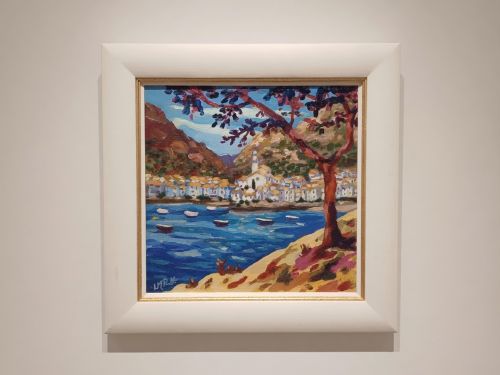
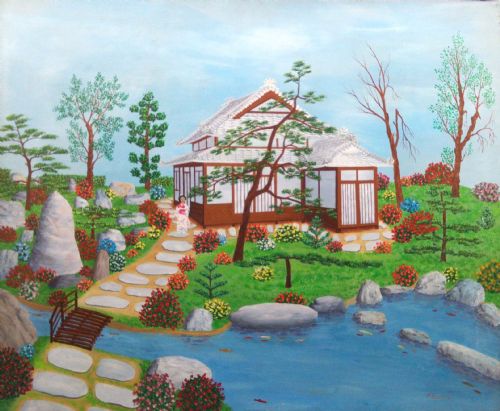
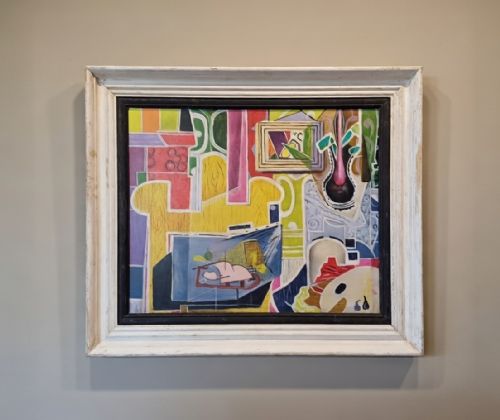
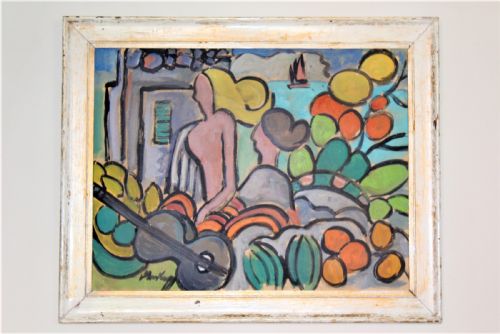
When you search for colourful framed canvas artwork, you are exploring a diverse selection of paintings spanning the nineteenth century to the late twentieth century. These works capture various subjects ranging from serene botanical scenes to striking abstract compositions and figurative studies.
The pieces you are most likely to encounter on this page reflect mid-century modern sensibilities, naive art, and post-impressionist movements. They include framed oil paintings on canvas alongside works executed on board, often presented in timber or gilded wood frames.
How they were made
These works rely on traditional oil paint applied to canvas or board, capturing rich pigments and textured brushwork built up in layers. The physical support provides the stable foundation necessary for longevity and enduring visual depth.
Framing is an integral component of the presentation, utilising wood and gilded wood to complement the painted surface. These surrounds protect the edges of the canvas while framing the composition for wall display.
Materials recorded across the inventory include oil paint, canvas, wood, board, and gilded wood.
What varies in quality
Distinction across these works lies in the confidence of the brushwork and the harmony of the composition, where accomplished handling of oil paint creates compelling spatial relationships. Stronger pieces demonstrate a purposeful command of colour and form that engages the viewer instantly.
The integration between the painting and its wooden or gilded frame also influences the overall presentation. A well-matched frame enhances the character of the artwork without overpowering the painted surface.
Lucy Pratt·Henri Vincent Anglade·Florence Hess·J Milton·Federico Andreotti·Markey Robinson
The Colourful Framed Canvas Artwork Glossary
- Canvas
- A heavy woven fabric used as a surface for painting, typically stretched over a wooden frame. It provides a flexible yet durable support for oil paint.
- Oil paint
- A slow-drying paint made by mixing pigments with oils, such as linseed oil. This medium allows for rich colour saturation and subtle blending.
- Gilded wood
- Wood that has been coated with a thin layer of gold leaf or gold-coloured metallic finish. It adds a decorative border to the framed artwork.
- Post-Impressionism
- An art movement that developed from impressionism, focusing on emotional response and symbolic content rather than naturalistic depiction. Artists working in this style use bold colours and distinct brushstrokes.
Colourful Framed Canvas Artwork: Frequently Asked Questions
How do I hang a framed canvas safely?
Ensure you use fixings appropriate for the weight of the wood and canvas assembly, anchoring securely into wall studs or using heavy-duty wall plugs.
Position the piece at eye level to best appreciate the brushwork and colour harmonies within the room.
What periods do these paintings come from?
The selection spans from the late nineteenth century through the mid-twentieth century and into later decades. Each era brings distinct stylistic approaches, from academic realism to abstract expression.
Examining the canvas preparation, stretcher bars, and framing materials often helps indicate the approximate era of creation.
How should I care for oil paintings on canvas?
Keep the artwork away from direct sunlight and fluctuating humidity to protect the oil paint and canvas substrate from degradation. Gentle dusting with a soft, dry cloth is usually sufficient for routine maintenance.
Avoid using liquid cleaners or abrasive materials on the painted surface or the wooden frame.
What is naive art?
Naive art refers to work created by artists without formal academic training, often characterised by a childlike perspective and direct use of colour and perspective. These pieces possess an unpretentious charm and immediacy.
They stand apart from academic traditions through their unique simplification of forms and spatial relationships.