






Coloured Etching Art
These pieces of coloured etching art bring together ink, watercolour, and paper from the eighteenth, nineteenth, and twentieth centuries.
Coloured Etching Art
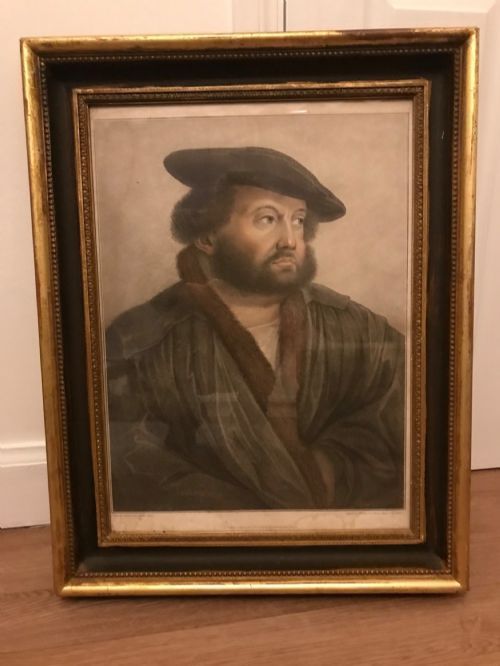
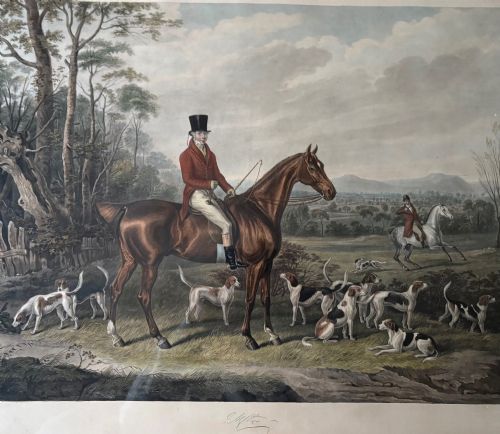
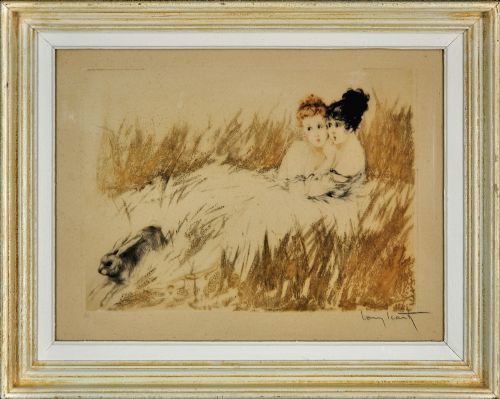
When you search for coloured etching art, you encounter a range of framed prints, engravings, and works on paper spanning several centuries. The selections include eighteenth-century portraits and ornithological plates alongside nineteenth-century sporting scenes and twentieth-century bullfighting studies.
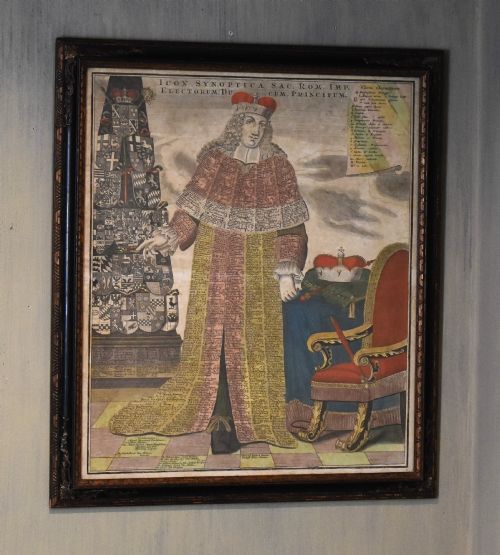
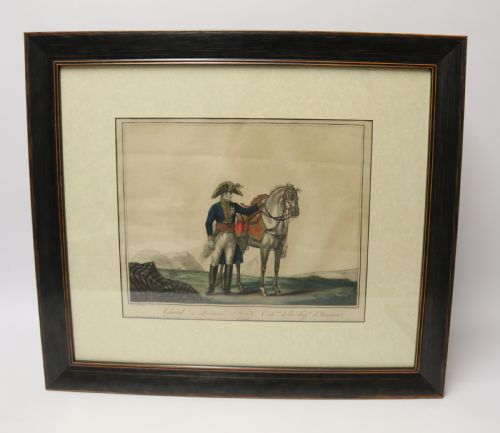
The versions you meet most frequently on this page are hand-coloured copper and stipple engravings from the Georgian and Regency eras, alongside later prints framed in wood or gilt materials. These items function primarily as wall art, capturing historical subjects, architectural views, and domestic animals.
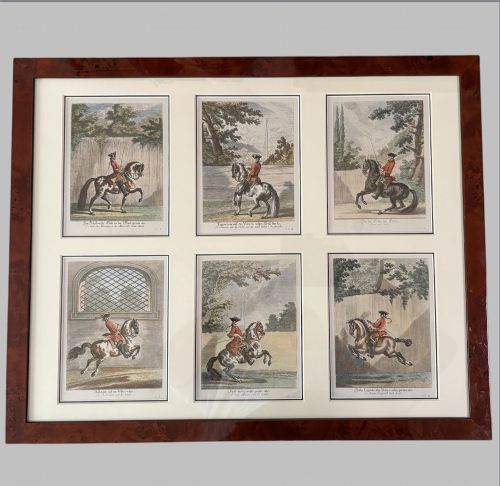
The inventory also extends into specific categories such as aquatints and decorative sets, reflecting European printmaking traditions. Each piece relies on paper supports, frequently paired with period frames that complement the inked and tinted imagery.
Materials and construction methods
Makers produced these works by applying ink to metal plates, transferring the design onto paper, and subsequently adding colour by hand using watercolour washes or tinting agents. The primary support consists of paper, housed within wooden frames, burr wood veneer, or gilt wood structures.
Certain pieces incorporate additional media such as gold leaf and aquatint techniques to build tonal depth and surface variation. Artisans often utilised copper plates for fine lines, resulting in detailed prints that retained clarity through the hand-colouring process.
Coloured Etching Art Retail Price Guide 2026
Typical asking prices for coloured etching art among the pieces listed under this phrase on Sellingantiques today, from the lower quarter to the upper quarter. They describe what is for sale here now, not the wider market.
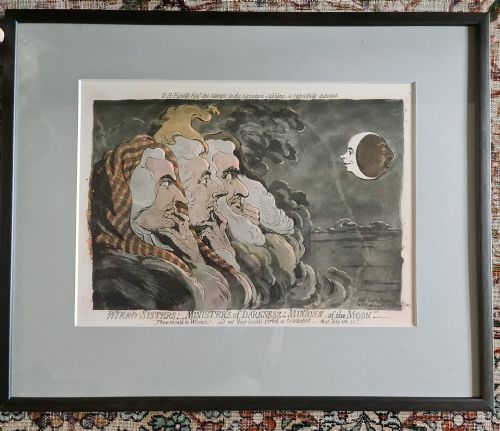
Historical subjects span polite architectural views of Raphael's Loggia alongside dramatic scenes of seventeenth-century literary witches.
Distinctions in quality and execution
Quality in these works rests upon the precision of the initial plate engraving and the subtlety of the subsequent hand-colouring. Finer examples display crisp ink lines that remain sharp beneath transparent watercolour washes, whereas lesser pieces show muddy pigments that obscure the underlying engraved details.
The integrity of the paper support and the authenticity of the period framing also influence the standard of the piece. Works that retain their original eighteenth or nineteenth-century frames, such as Regency Hogarth examples, demonstrate superior preservation compared to those altered in later decades.
Francesco Bartolozzi·Louis Icart·Joseph Farrington·George Edwards
The Coloured Etching Art Glossary
- Etching
- A printmaking method where acid bites lines into a metal plate to hold ink. This process allows for fluid lines and detailed tonal work on paper.
- Aquatint
- A variant of etching that produces broad tonal areas resembling watercolour washes. It was frequently used in eighteenth and nineteenth-century topographical prints.
- Stipple engraving
- A technique using dots of varying density to create soft tonal transitions. Francesco Bartolozzi employed this method for portraits.
- Gilt wood
- Wood carved and coated with gold leaf or gold paint. This material is common in traditional framing.
- Burr wood veneer
- Thin slices of decorative wood grain applied to a furniture or frame surface. It provides a rich texture surrounding the central artwork.
Coloured Etching Art: Frequently Asked Questions
How do I care for antique prints?
Keep works on paper away from direct sunlight to prevent the watercolour tints and ink from fading over time. Maintain stable indoor humidity levels to protect both the paper and the wooden frames.
Avoid hanging these pieces in damp environments such as kitchens or unheated spaces. Professional framing with acid-free backing materials helps preserve the paper over long periods.
Are these prints original?
The listings comprise period impressions created during the eras specified, from the eighteenth century through to the twentieth century. Each item reflects the printing technology and artistic standards of its particular decade.
Examine the paper texture, plate marks, and ink application to understand the manufacturing period. Hand-coloured details vary slightly across individual sheets, confirming their manual production.
What frames come with these pieces?
Many items arrive in period frames constructed from wood, gilt wood, or burr wood veneer. These enclosures often date from the same era as the print itself.
Specific styles include Regency Hogarth frames, which feature characteristic dark polished profiles. The combination of period framing and traditional wall art enhances the decorative presence of each work.
How are the colours applied?
Makers applied pigments by hand onto the printed paper base using watercolour or specific tinting mixtures. This process allowed workshops to produce vibrant variations of the same engraved image.
The skill of the colorist determines whether the washes enhance the underlying lines or flatten the composition. Contemporary observers can spot brushwork within the shaded areas of these prints.