





Coloured Crystal Glass
These coloured crystal glass pieces range from Georgian rummers to French chandeliers, offering vibrant hues and hand-cut facets that catch the daylight.
Coloured Crystal Glass
When you search for coloured crystal glass, you encounter a varied selection of functional tableware and illumination, ranging from tall hock decanters to grand chandeliers. The items on this page span several decades and styles, including Victorian pieces, Georgian glassware, and early twentieth-century Italian and French light fittings.
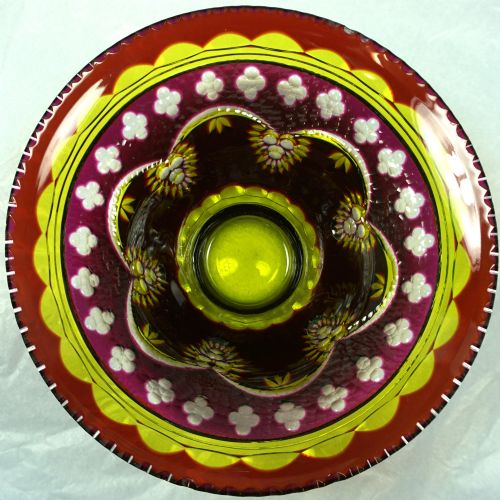
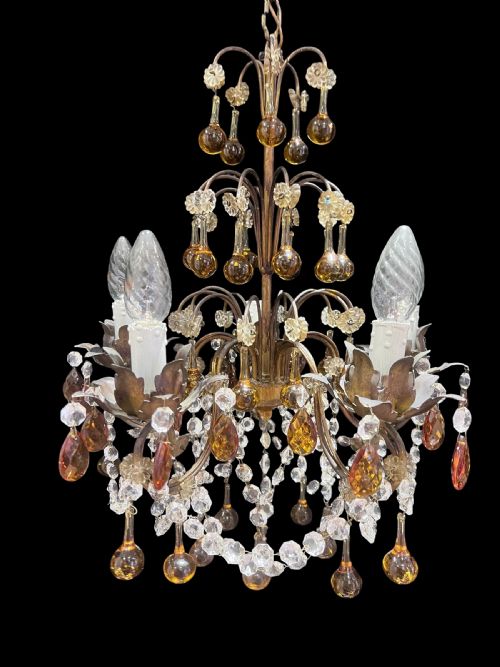
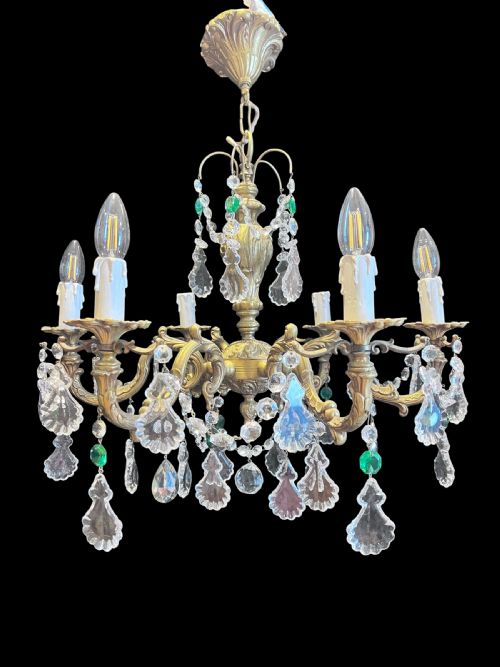
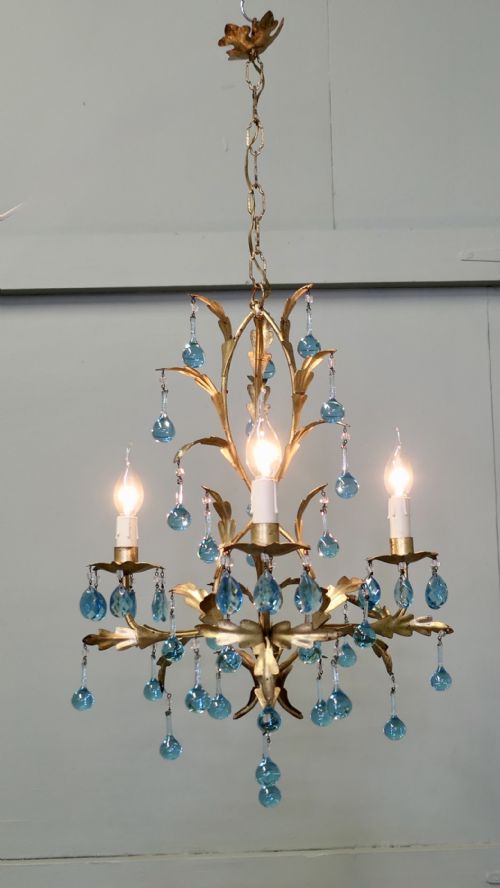
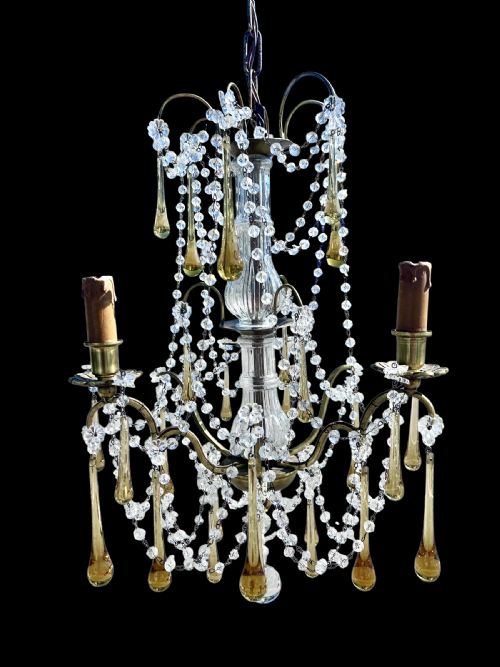
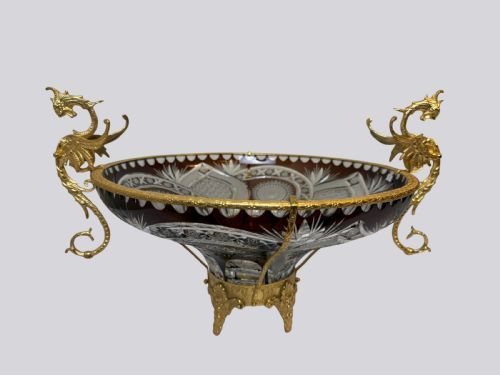
Lighting forms a substantial part of these selections, featuring chandeliers hung with coloured crystal fruits, grapes, teardrops, and amber or mauve pendants. Alongside these overhead fixtures sit decanters, wine glasses, centrepiece bowls, and vases showing emerald green, turquoise, and teal tones.
How they were made
The objects combine lead glass and standard glass bodies with metal mounts in brass, gilt metal, wrought iron, and bronze. Artisans shaped vessels by blowing molten material into forms or cutting facets into lead crystal to refract light through the tinted hues.
Colour was introduced either through layered glass techniques, such as colour over crystal, or by mixing metallic oxides directly into the molten batch. Supplementary decoration involved surface engraving, as seen on pieces featuring detailed patterns.
Coloured Crystal Glass Retail Price Guide 2026
Typical asking prices for coloured crystal glass among the pieces listed under this phrase on Sellingantiques today, from the lower quarter to the upper quarter. They describe what is for sale here now, not the wider market.
Several chandeliers come weighed down with bunches of glass apples, pears, and grapes, proving that illumination has occasionally fancied a fruit salad.
What varies in quality
Quality in these items rests upon the crispness of the glass cutting and the depth of the colour saturation within the material. Superior examples display sharp, clean facets and well-balanced proportions that demonstrate disciplined craftsmanship.
The integration of secondary materials also dictates the standard of the piece, where finely cast brass, bronze, or gilt metal mounts match the quality of the glass components. Maker attribution and unusual colour combinations elevate certain items above standard production wares.
Stuart England for Liberty·Lobmeyr Austria
The Coloured Crystal Glass Glossary
- Lead glass
- Glass containing a proportion of lead oxide, which increases the weight, clarity, and refractive index of the material. This composition allows for deeper and sharper facet cutting.
- Hock decanter
- A tall bottle traditionally utilised for serving white wine or hock. These vessels often feature coloured glass or layered colour over crystal designs.
- Marie Theresa chandelier
- A flat-backed or basket-style chandelier framework heavily draped with crystal garlands and drops, named in honour of the Austrian Empress. These fixtures frequently incorporate coloured crystals.
- Rummer
- A large, sturdy drinking glass with a short stem and a capacious bowl, popular during the Georgian era. They were frequently produced in deep coloured glass such as turquoise and green.
Coloured Crystal Glass: Frequently Asked Questions
How do I clean a crystal chandelier?
Cleaning requires removing dust with a soft brush and wiping individual crystals with a dilute solution of warm water and mild soap.
Avoid spraying liquids directly onto the metal frame or electrical components to protect the antique wiring and finishes.
Are coloured glass decanters safe for wine?
Most historic decanters can hold liquids safely, though older lead glass formulations require careful hand washing without harsh detergents.
Inspect the interior for residue and ensure the stopper fits securely before serving beverages.
What defines Georgian glassware?
Georgian pieces date from the eighteenth and early nineteenth centuries, characterised by heavy metal glass composition and pontil marks on the base.
These items often display simple, robust forms with hand-blown irregularities rather than machine precision.
How do I identify Bohemian glass?
Bohemian glass often exhibits vibrant colour layering, deep cutting, and gilt ornamentation inspired by regional traditions.
Many pieces from this tradition focus heavily on high-contrast hues and dramatic optical effects.