


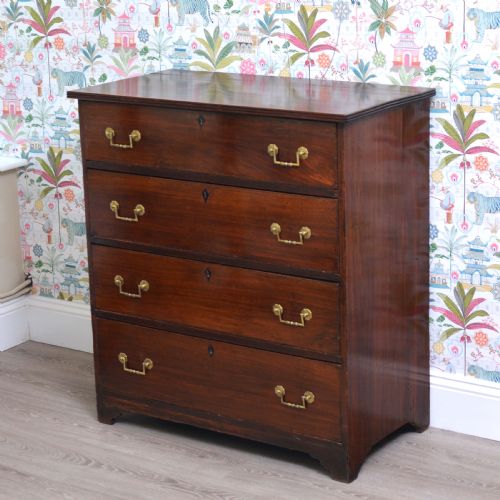


Colonial Style Drawers
Colonial style drawers combine rich timber and traditional joinery, offering practical storage with distinct global character for any room.
Colonial Style Drawers
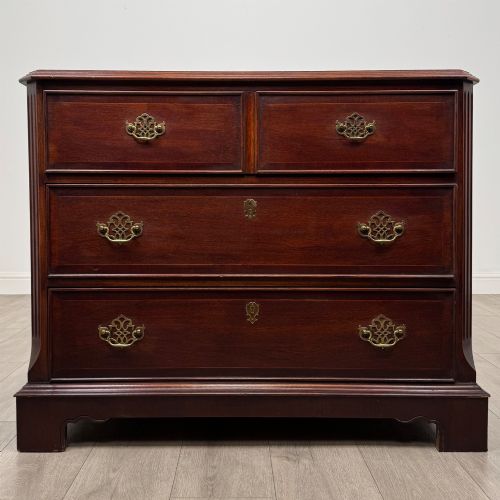
Colonial style drawers encompass chests of drawers, cabinets on stand, dressers, and cupboards originating from varied regional influences. Buyers hunting for colonial style drawers will encounter pieces spanning the eighteenth century through the early twentieth century.
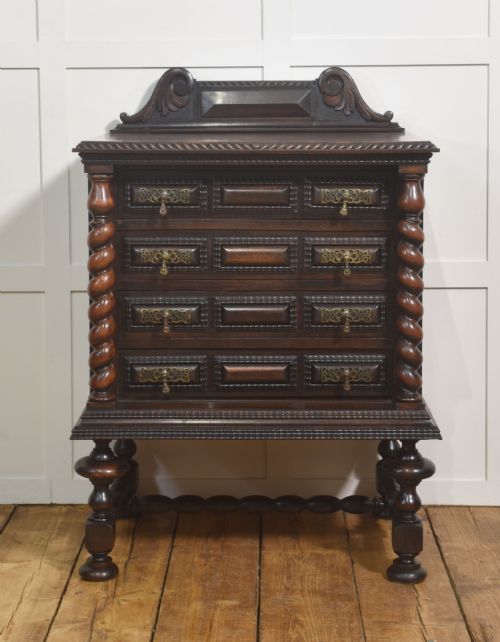
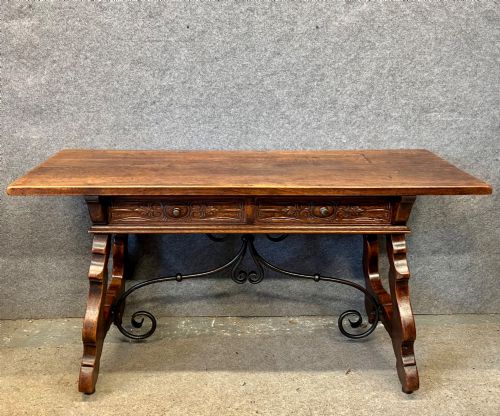
Makers utilised brass and wrought iron for hardware components, adding functional contrast to the wooden carcases. Pieces range from rustic oak tables and cupboards to refined crossbanded chests and carved multi-drawer units.
Construction and Materials
Cabinet makers utilised dense hardwoods such as mahogany, rosewood, teak, and oak to build sturdy carcases capable of enduring harsh climates and heavy daily use. Solid maple and padauk also appear, showing regional preference for durable local timbers.
Metal hardware, predominantly cast brass drop handles and escutcheons alongside wrought iron elements, secured the functional operation of doors and drawers. These metal fittings were integrated directly into the structural design of each chest or cabinet.
One robust teak survivor manages to house ten distinct drawers, proving that historic organizers knew how to conquer clutter with style.
Assessing Quality and Execution
The finesse of the timber selection and the precision of the cabinet work dictate the standing of a piece within the range. Higher quality examples display well-figured grains, careful crossbanding, and harmonious proportions across the facade.
The integrity of the structural joinery and the originality of the brass or iron hardware influence the overall merit of the item. Pieces retaining their original stands, mounts, and surface patination hold greater distinction than heavily altered or stripped examples.
The Colonial Style Drawers Glossary
- Crossbanding
- A narrow strip of veneer laid perpendicular to the grain of the primary surface, framing drawer fronts or tabletops. This technique enhances the visual border of the wood.
- Padauk
- A dense tropical hardwood prized for its reddish hue and durability, frequently utilised in Anglo-Indian furniture production. It resists warping and takes a fine finish.
- Cabinet on Stand
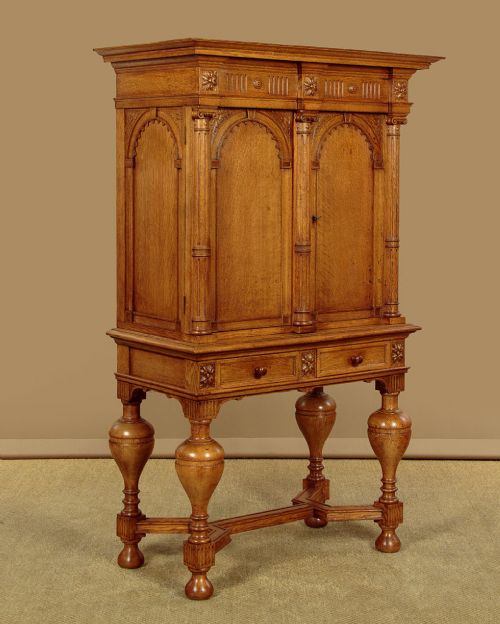
- A raised storage unit comprising an upper cabinet section supported by a separate open or closed base frame. This form lifts the storage space off the floor.
- Block Front
- A furniture front divided vertically into three equal sections, where the outer sections project and the centre section is recessed. This sculptural shaping appears on select eighteenth-century chests.
Colonial Style Drawers: Frequently Asked Questions
What periods do these pieces cover?
The available pieces span from the eighteenth century through the nineteenth century and into the early decades of the twentieth century. This timeline includes Edwardian examples alongside items dated around nineteen hundred and nineteen thirty.
Craftsmanship styles shift across these decades, moving from eighteenth-century block fronts and regional styles to later revival interpretations and twentieth-century interpretations.
Which timbers are most common?
Mahogany, oak, teak, and rosewood appear frequently across the regional varieties in this selection. Maple and padauk also feature in specific American and Anglo-Indian items.
Makers paired these dense hardwoods with brass and wrought iron hardware to complete the construction of the drawers and cabinets.
How do regional styles differ?
Regional variations reflect the diverse origins of the pieces, ranging from Portuguese and Spanish colonial interpretations to Anglo-Indian and American Federal designs. Each region utilised local timbers and distinct decorative motifs.
For example, Anglo-Indian items often showcase carved detailing, while American pieces exhibit Federal proportions or solid maple construction.
Where should I place a cabinet on stand?
A cabinet on stand works well in hallways, living rooms, or dining areas where floor space allows for a distinct vertical furniture form. Its elevated design creates an airy footprint compared to a standard floor-to-ceiling wardrobe.
Ensure the room humidity remains stable to protect the historic hardwood carcase and decorative veneer surfaces.