



Colonial Drawers
Colonial drawers bring substantial timber and practical compartmentalisation together, offering robust storage shaped by historical trade and travel.
Colonial Drawers
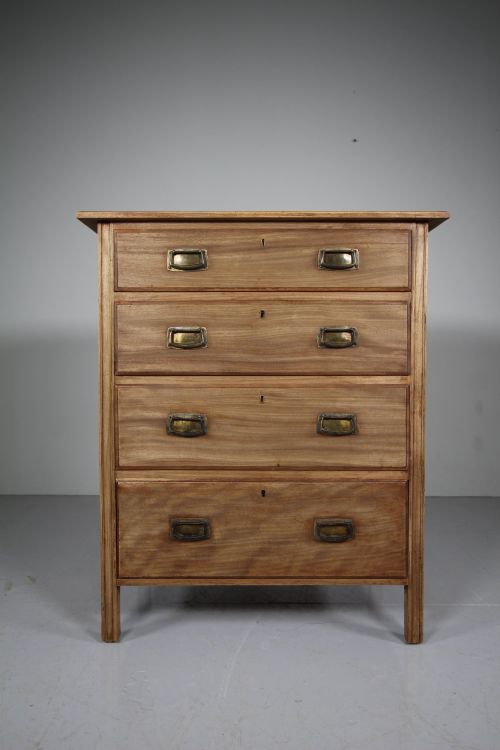
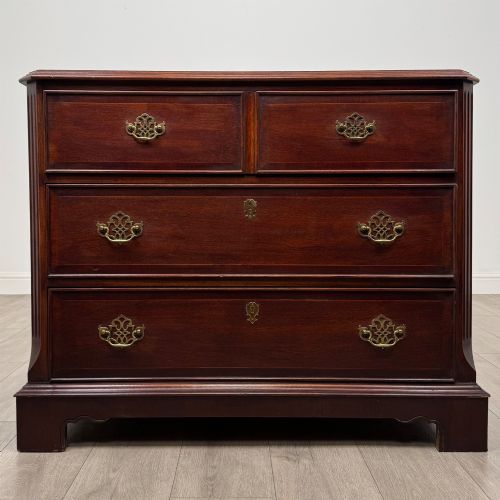
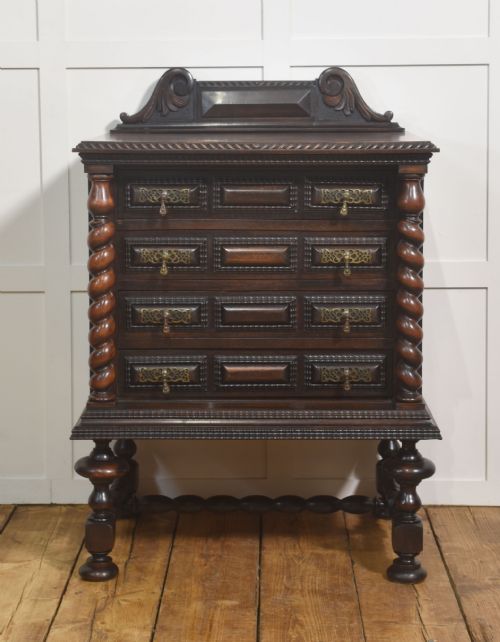
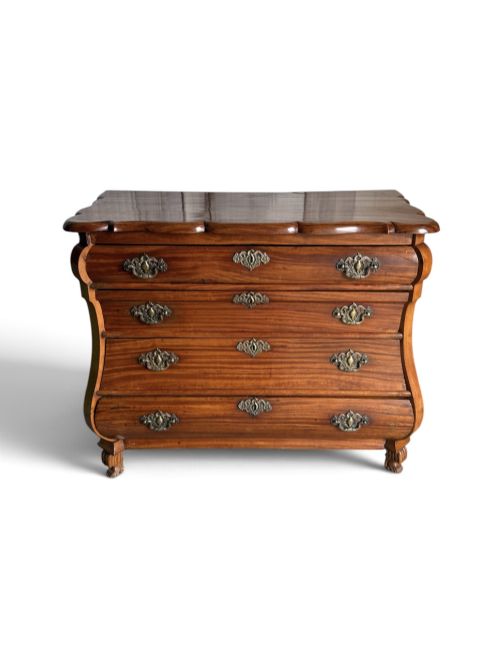
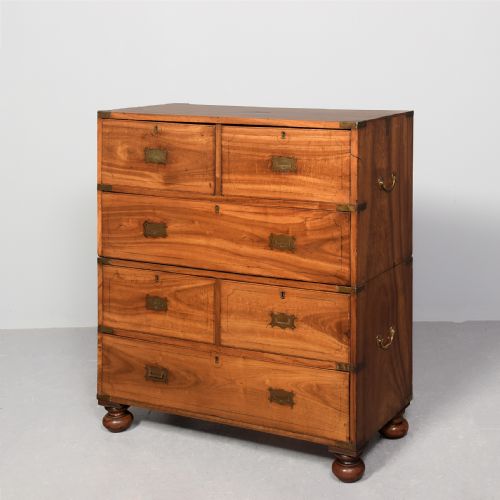
When buyers search for colonial drawers, they look for case furniture built to withstand movement, frequently taking the form of campaign chests and sectional cabinets. These pieces originate across diverse regions, reflecting British, Dutch, and Iberian influences during the eighteenth and nineteenth centuries.
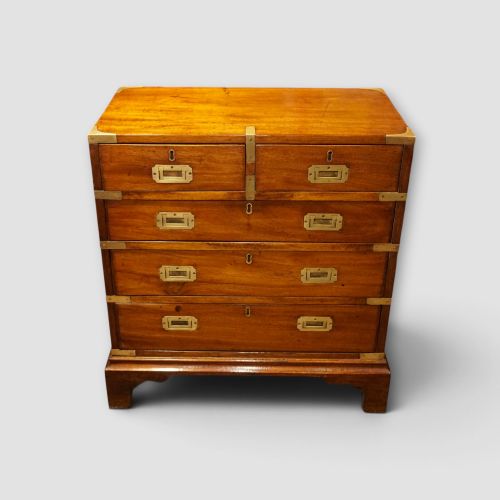
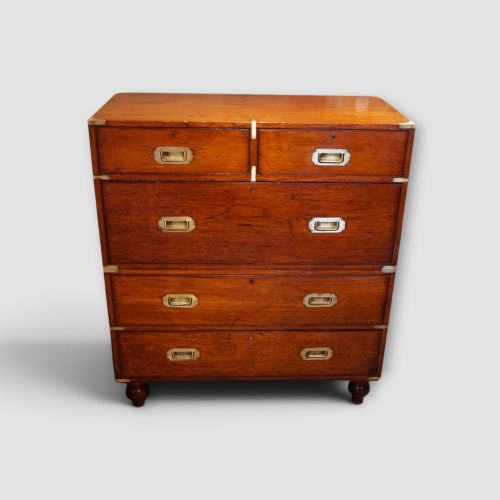
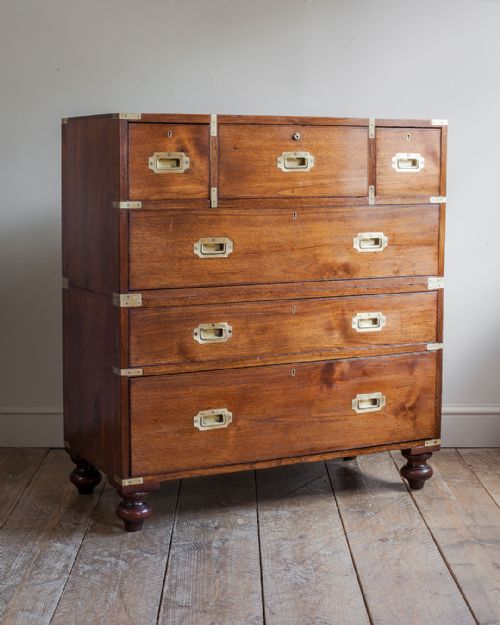
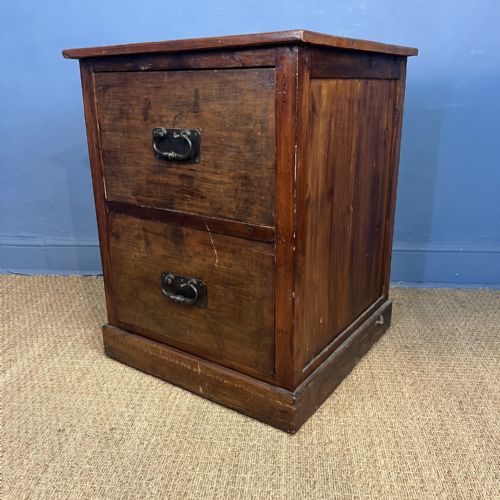
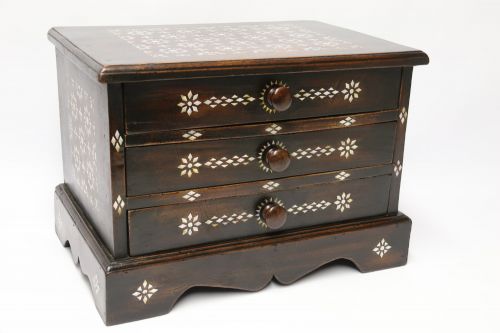
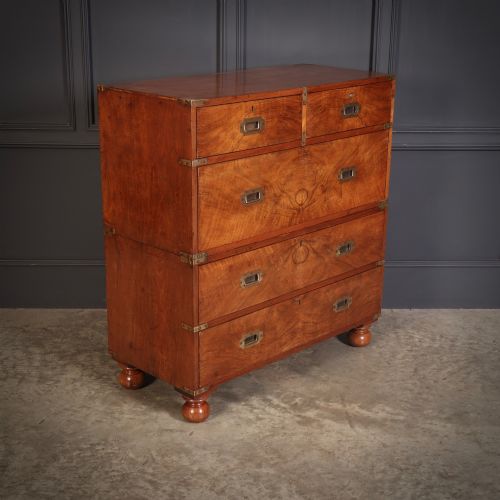
The most common form on this page is the campaign chest, constructed in two separate sections for easy transport by military officers and administrators. Alongside these, buyers encounter collector chests, secretaire chests, and filing cabinets built with multiple internal drawers.
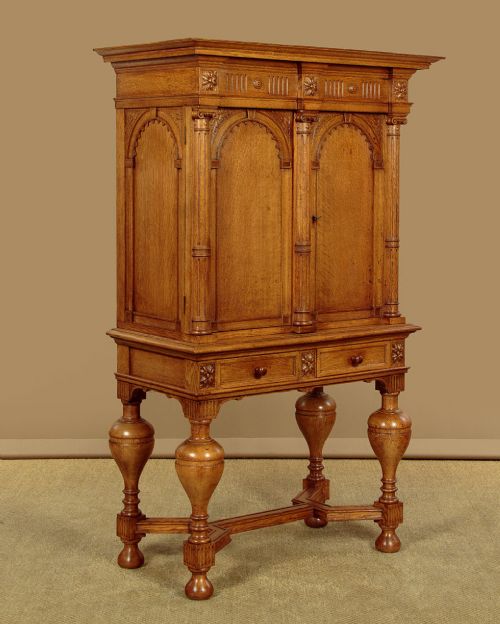
Materials span dense tropical hardwoods and European oaks, matched with functional brass hardware designed to protect corners and provide flush lifting handles. Dating typically spans the Victorian era and the broader nineteenth century, alongside occasional eighteenth-century examples.
Materials and construction
Construction relies heavily on durable hardwoods such as teak, mahogany, padouk, camphor wood, and rosewood, selected for their stability in humid climates. These timbers resist warping and insect damage, making them practical for long-distance transit.
Hardware consists of brass corners, strapwork, and recessed handles secured by screws, allowing chests to stack without external protrusions catching during transit. Drawers frequently feature secure locking mechanisms and secretaire fitted interiors with pigeonholes and small writing surfaces.
Colonial Drawers Retail Price Guide 2026
Typical asking prices for colonial drawers among the pieces listed under this phrase on Sellingantiques today, from the lower quarter to the upper quarter. They describe what is for sale here now, not the wider market.
Listings feature items spanning the 18th century through to the 1930s, constructed from teak, mahogany, padouk, camphor wood, and rosewood.
Assessing quality and execution
Quality separates pieces by the precision of their joinery, the thickness of the solid timber used, and the integrity of the brass mounts. Superior examples retain original flush fittings, unblemished recessed handles, and tight corner joints that withstand being separated into two parts repeatedly.
The choice of timber also dictates standing, with dense camphor wood, figured walnut, or well-figured teak representing high-grade materials. Finer construction shows careful secondary wood selection for drawer linings and smooth drawer runners that operate without binding.
Army & Navy Stores
The Colonial Drawers Glossary
- Campaign chest
- A portable chest of drawers built in two or more sections with recessed brass handles and corner brackets designed for military transport. These pieces separate cleanly for packing.
- Secretaire chest
- A cabinet featuring a pull-out drawer with a drop-front that conceals a writing surface, small drawers, and pigeonholes. It combines storage with a compact desk.
- Padouk
- A heavy, durable tropical hardwood with a reddish hue used in colonial cabinet making. It offers exceptional resistance to moisture and wear.
Colonial Drawers: Frequently Asked Questions
Why are colonial drawers split into two sections?
These chests were built in two separate stacking parts to make them easier to pack, load, and transport on ships, trains, and pack animals during military campaigns or colonial service.
This modular design protected the contents and allowed officers to move their essential belongings efficiently without damaging the timber carcass.
What timbers were used for these chests?
Cabinetmakers utilised durable tropical hardwoods such as teak, mahogany, padouk, camphor wood, and rosewood to resist humidity and rough handling. European oaks and walnuts also appear in pieces made for specific colonial markets.
These dense woods provide the structural strength needed for portable furniture subjected to frequent relocation.
How should I care for teak and camphor wood?
Keep these pieces away from direct heat sources and sudden temperature fluctuations to prevent the solid timber from drying out or splitting. Maintain a stable indoor environment with moderate humidity.
Clean the surface with a soft, dry cloth and occasionally apply a neutral furniture wax to preserve the natural lustre of the wood.