



Collectors Wall Cabinet
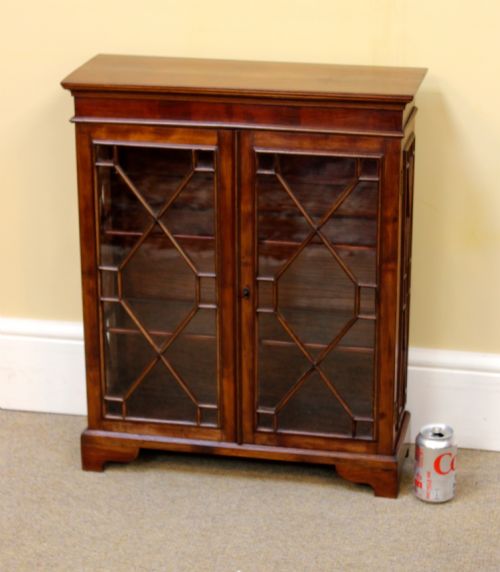
These collectors wall cabinet examples house small treasures in compact wall-hung forms, combining timber frames with glass doors to protect curiosities.
Collectors Wall Cabinet
A collectors wall cabinet is designed to mount securely on vertical surfaces, keeping precious specimens or curiosities visible yet safe. The pieces seen here span centuries of British craftsmanship, ranging from Georgian and Victorian designs to Edwardian and early twentieth-century examples.
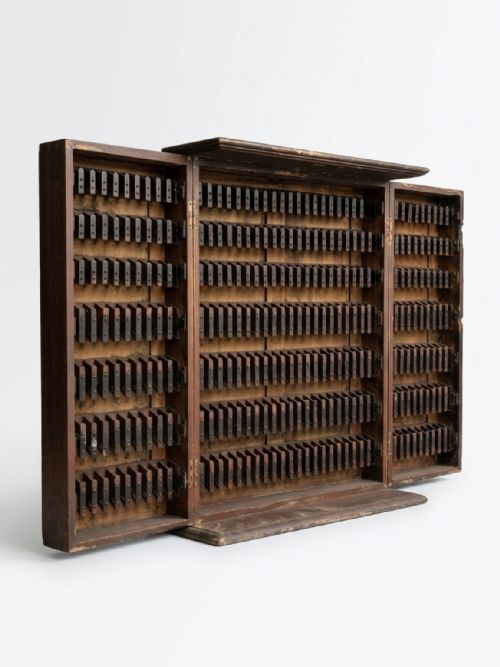
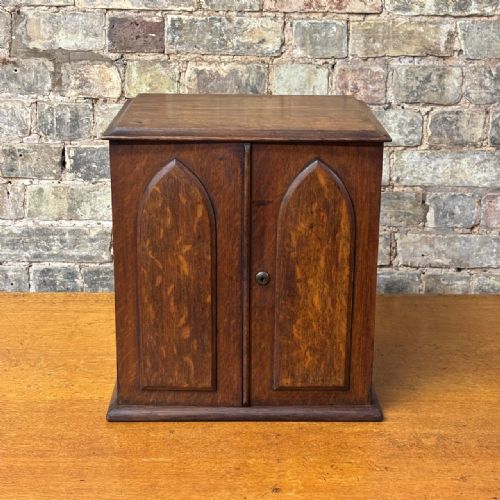
The form adapts to various contents, appearing as mahogany display cases, oak spice cupboards, or specialised chemist cabinets. Most versions encountered on this page utilise glass doors and shelving to showcase small items without exposing them to dust.
Originating from domestic and institutional settings alike, these cabinets served serious hobbyists and naturalists. They range from simple softwood or oak boxes to elaborate mahogany cases with mirrored interiors and brass hardware.
How They Were Made
Cabinetmakers relied on dense hardwoods such as mahogany, oak, and walnut to ensure the wall-hanging structures remained rigid under load. Joinery involved tight dovetails and mortise and tenon joints, supporting glass panels held within rebated frames.
Hardware played both a functional and decorative role, featuring brass hinges, escutcheons, and locks. Interiors frequently incorporated mirrored backs to reflect light through stored objects, alongside carefully spaced wooden or glass shelves.
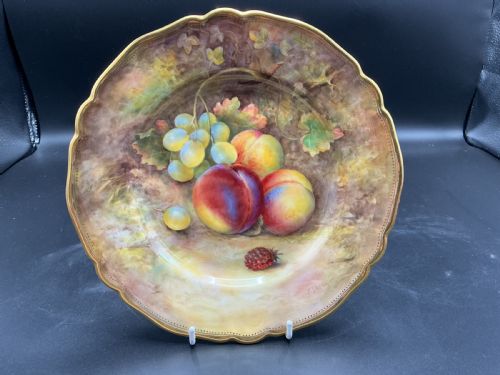
Cabinet plates from Royal Worcester and Mintons occasionally moonlighted inside display cases alongside taxidermy insects and marine shells.
What Varies in Quality
Timber selection dictates the initial tier of quality, with figured mahogany and burr walnut representing finer domestic production. Simple utilitarian pine or oak versions prioritized robust function over decorative grain.
The sophistication of the internal layout and glazing marks the distinction between standard production and superior work. Finely bevelled glass, intact original brass locks, and carefully integrated mirrored panels elevate the execution of the piece.
Royal Worcester·Mintons
The Collectors Wall Cabinet Glossary
- Escutcheon
- A protective plate surrounding a keyhole, often cast in brass and styled to match the period of the cabinet.
- Dovetail
- A traditional wood joint formed by interlocking wedge-shaped fingers, prized for its tensile strength in drawer and case construction.
- Rebate
- A recess or groove cut into the edge of a timber frame to receive a glass panel or cabinet back.
- Burr Walnut
- Timber taken from a growth deformation on a walnut tree, yielding highly patterned, swirling grain used for decorative veneer.
Collectors Wall Cabinet: Frequently Asked Questions
What did people store inside collectors cabinets?
These cabinets housed specialised collections including marine shells, insects, coins, and small curiosities gathered by Victorian and Edwardian naturalists.
Interior shelving and shallow depths ensured each specimen remained visible and secure from handling.
How do I hang a wall cabinet safely?
Wall-mounted cabinets require sturdy fixings suited to the weight of dense hardwoods like mahogany and oak. Professional wall anchors or direct attachment to timber wall studs ensure the case supports its contents securely.
Checking the original hanging brackets or adding reinforced plates protects both the antique timber and the wall.
Are these cabinets suitable for modern homes?
Their compact wall-hung footprint makes them practical for displaying modern collections of small ceramics, minerals, or watches in limited floor spaces. The glazed doors keep dust away from delicate items while maintaining a clear view.
Placing them away from direct sunlight preserves the timber finish and any internal fabrics.
How do I distinguish Victorian from Edwardian examples?
Victorian pieces often feature darker timbers, heavier mouldings, and Gothic or Neoclassical decorative motifs. Edwardian versions tend to show lighter mahogany or oak construction with simpler lines and brighter mirrored interiors.
Examining the hardware and internal construction methods helps clarify the manufacturing period.