




Collectors Showcase
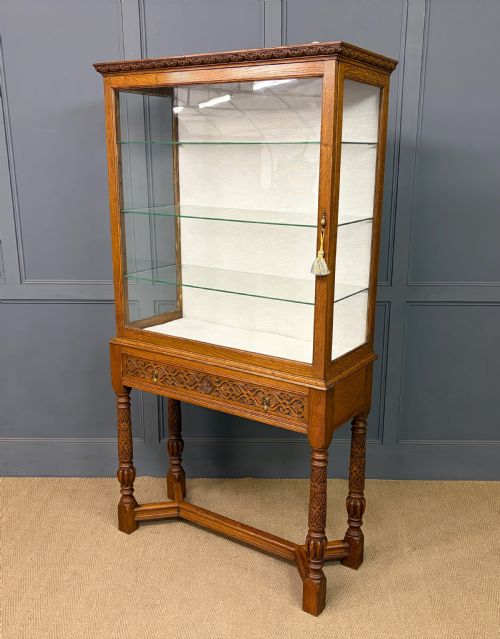
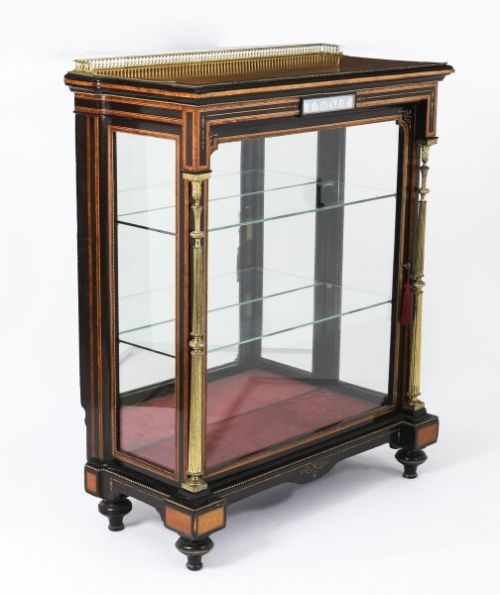
These collectors showcase pieces are glazed cabinets, vitrines, and domes designed to protect and exhibit small treasures.
Collectors Showcase
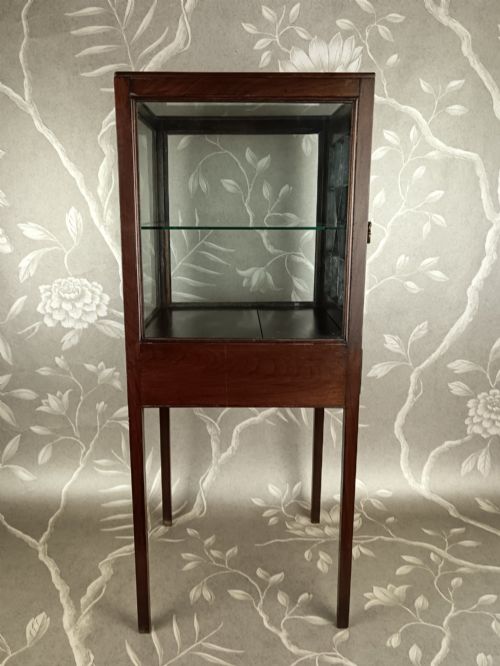
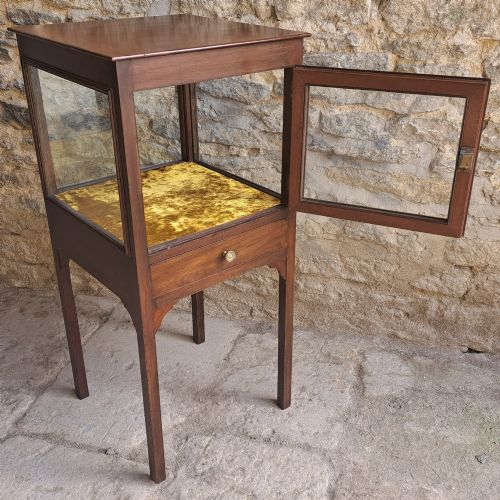
A collectors showcase brings together glazed cabinets, countertop vitrines, tall tower cases, and table vitrines designed to hold precious objects safely in view. When searching for a collectors showcase, buyers encounter diverse forms ranging from shop counters and wall-hanging units to table cabinets and glass domes.
The pieces span periods from the eighteenth century through the Victorian and Edwardian eras into the nineteen-twenties and nineteen-thirties. Domestic vitrines and shop display units share the fundamental purpose of framing items behind glass.
Originating largely from English and French workshops, these pieces utilise timber frames and glass panels to create secure enclosures for display. The variety includes freestanding floor cabinets, tabletop cases, and specialised domes for taxidermy or ornaments.
Materials and construction
Makers constructed these pieces primarily from solid and veneered timbers including mahogany, oak, walnut, yew, and ebonised wood, alongside cedar and amboyna. Brass hardware, mirrored interiors, and velvet linings frequently accompany the structural woodwork to enhance the presentation of displayed items.
Transparent glass forms the walls, doors, and tops of vitrines, while blown and dome glass covers smaller round or oval showcases. Joinery methods connect timber frames around glass panels designed to provide maximum visibility while protecting contents from dust and handling.
Collectors Showcase Retail Price Guide 2026
Typical asking prices for collectors showcase among the pieces listed under this phrase on Sellingantiques today, from the lower quarter to the upper quarter. They describe what is for sale here now, not the wider market.
Listings feature timber varieties including mahogany, oak, walnut, yew, cedar, and amboyna alongside glass and brass elements.
Judging quality and craftsmanship
Quality rests on the selection of timber veneers, the crispness of inlaid details, and the integrity of the structural joinery. Finer pieces demonstrate careful timber matching, robust door hinges, and glass free of distortion.
The distinction between ordinary shop utilitarian units and exceptional domestic furniture lies in decorative restraint, such as subtle brass mounts, fine burr walnut or mahogany grains, and mirrored backplates that amplify light within the case.
The Collectors Showcase Glossary
- Vitrine
- A glass-fronted cabinet or display case designed specifically to show porcelain, silver, or curiosities. It typically stands on legs or sits upon a matching base.
- Bijouterie table
- A low display table featuring a glazed top and a shallow compartment beneath for exhibiting small jewellery, medals, and trinkets. These tables often stand on slender legs.
- Cloche
- A bell-shaped glass cover used to protect delicate ornaments, clocks, or taxidermy specimens from dust. It rests upon a fitted wooden or fabric-lined base.
- Pier cabinet
- A narrow cabinet designed to fit against the wall space between windows. Victorian examples frequently incorporate curved glass sides and mirrored backs.
- Countertop display cabinet
- A glazed box intended for retail or domestic use upon a shop counter or table. These units often feature rear access doors for assistants.
Collectors Showcase: Frequently Asked Questions
What is a collectors showcase used for?
These cases protect and display small valuable objects, curiosities, and personal collections away from dust and handling.
They allow owners to view fragile items clearly while keeping them secure behind glass doors or domes.
How do I date a display cabinet?
Dating relies on identifying timber types, construction methods, and stylistic cues such as Georgian proportions or Edwardian inlay.
Hardware styles, glass thickness, and cabinet forms also provide reliable indicators of the period of manufacture.
Where should I place a vitrine?
Vitrines suit reception rooms, studies, and hallways where natural light illuminates the contents without direct sun exposure.
Wall-hanging and countertop versions require sturdy fixings or stable surfaces to support the combined weight of timber and glass.