




Collector Trinket Box
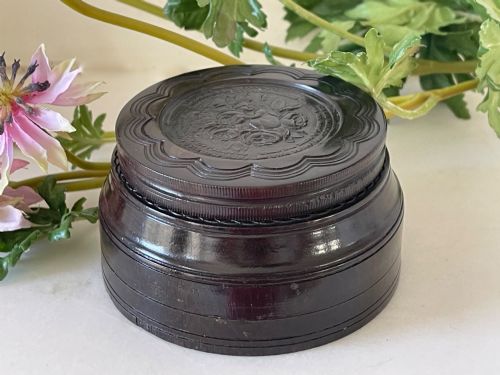
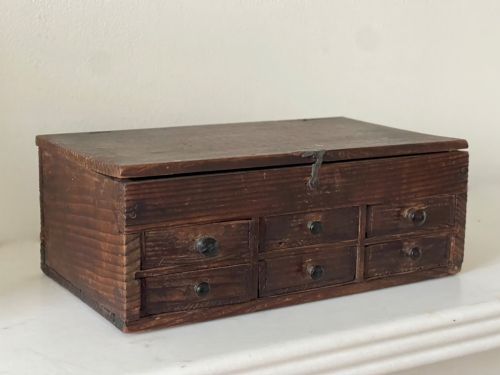
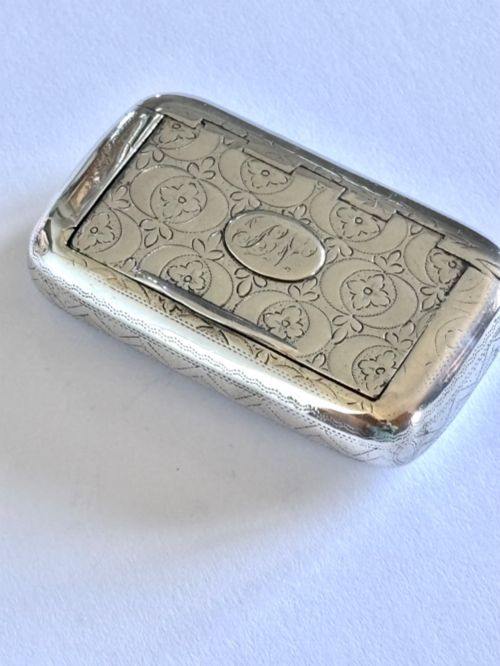
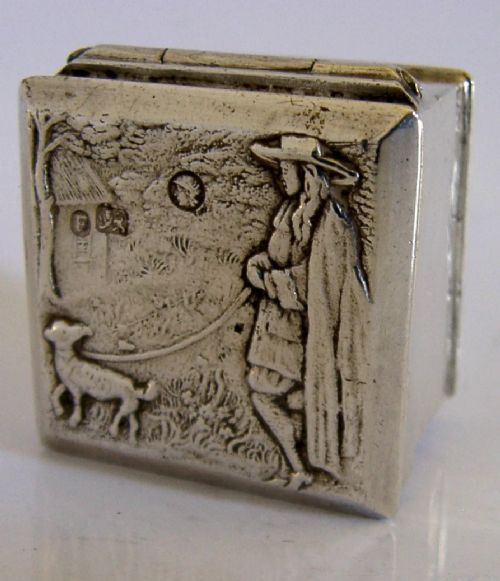
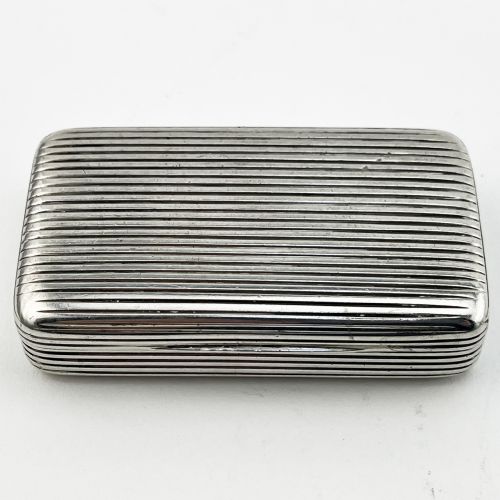
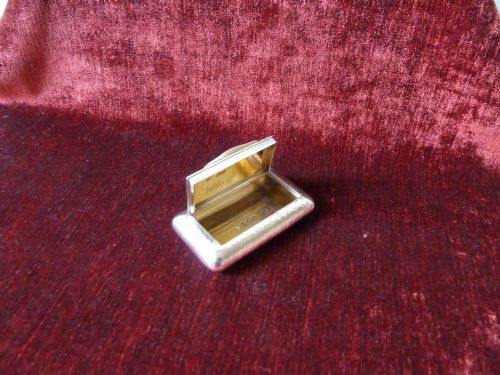
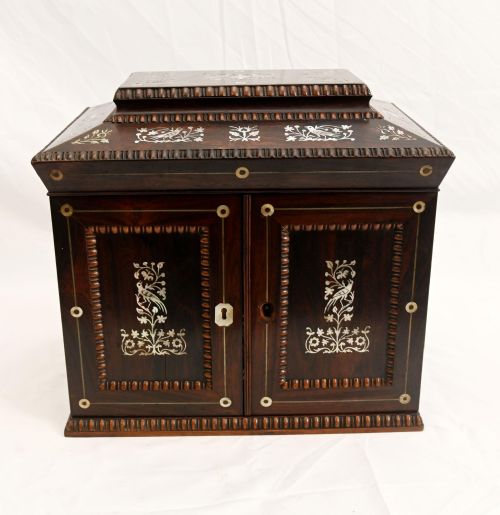
A collector trinket box gathers small treasures, taking the form of miniature chests, silver snuff boxes, and inlaid cabinets spanning several centuries.
Collector Trinket Box
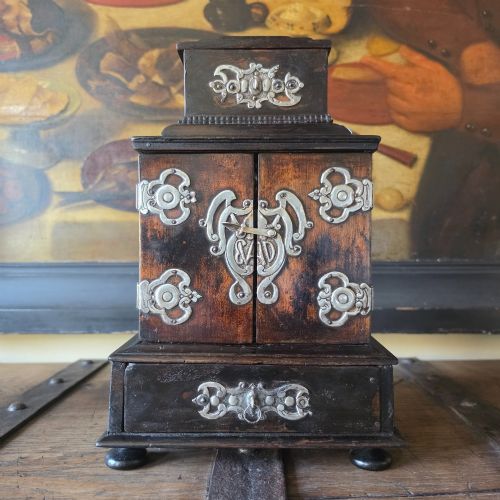
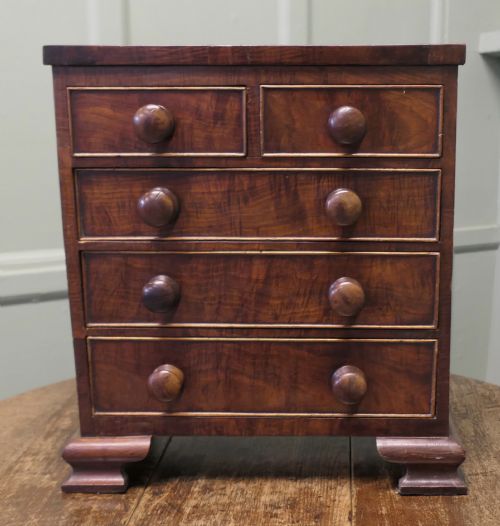
A collector trinket box spans diverse historical periods from the Georgian era through to the early twentieth century, presenting varied miniature forms for domestic storage. Pieces on this page predominantly include snuff boxes, miniature chests of drawers, and decorative cabinets.
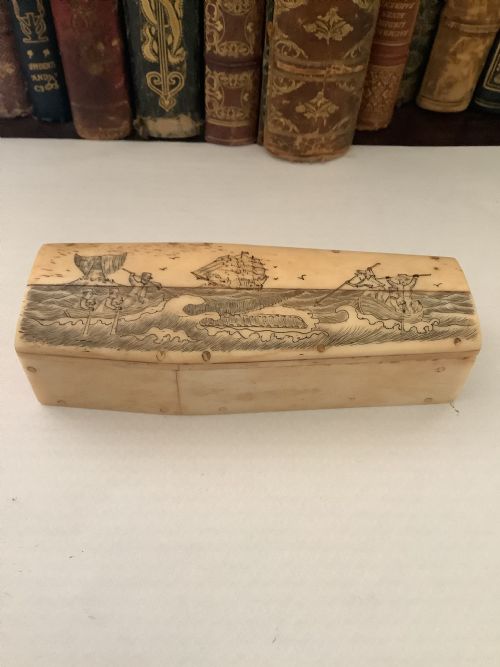
The materials range from sterling silver and brass to timber varieties like mahogany, walnut, rosewood, and laburnum. Artisans also utilised bone, mother of pearl, papier mâché, and enamel to construct these small containers.
Styles represented run from Georgian and Regency to Victorian, Edwardian, Dutch Revival, and nautical folk art. Miniature furniture pieces often serve as apprentice pieces or sample chests created by cabinetmakers.
Materials and construction
Silver boxes rely on silversmithing techniques involving casting, bright-cutting, engine turning, and embossing, often bearing Birmingham or London hallmarks. Enamel boxes such as Bilston pieces employ fired mineral colours on copper plates.
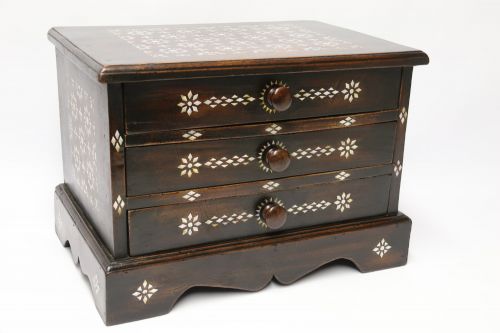
Wooden items utilise hardwoods like mahogany, walnut, and rosewood, frequently incorporating decorative inlays of mother of pearl, specimen woods, or oyster veneering in laburnum. Miniature chests feature dovetailed joints and turned drawer pulls suited to their small scale.
Collector Trinket Box Retail Price Guide 2026
Typical asking prices for collector trinket box among the pieces listed under this phrase on Sellingantiques today, from the lower quarter to the upper quarter. They describe what is for sale here now, not the wider market.
Assessing quality
The fineness of carving or engine turning dictates the visual standard of a metal or bone box. Crisp detail in bright-cut silver or hand-painted enamel surfaces separates superior items from simpler production.
Woodwork quality rests on timber selection and joinery precision, particularly in miniature chests where dovetailed drawers and intact oyster veneers or string inlay indicate skilled workmanship. Original surface patination significantly influences the desirability of wooden boxes.
JOHN SHAW·W Comyns
The Collector Trinket Box Glossary
- Apprentice piece
- A fine miniature item produced by a trainee craftsman to demonstrate mastery of cabinetmaking skills before joining a guild.
- Bright-cut
- An engraving technique using faceted cuts that reflect light from different angles, popular on silver snuff boxes during the Georgian period.
- Engine turned
- A geometric surface pattern mechanically engraved into metal or wood using a rose engine lathe.
- Oyster veneering
- Cross-section slices of small branches laid in decorative patterns, creating an appearance resembling oyster shells.
- Snuff box
- A small pocket-sized container historically used to hold powdered tobacco, often fashioned from silver, papier mâché, or turned wood.
Collector Trinket Box: Frequently Asked Questions
What were miniature chests used for?
Miniature chests of drawers served various practical roles on domestic writing desks and dressing tables. They often held small valuables, sewing accessories, or personal trinkets.
Cabinetmakers also produced them as apprentice pieces to demonstrate advanced joinery techniques to prospective employers.
How do I identify a Georgian silver snuff box?
Georgian silver snuff boxes typically display hallmarks indicating London or Birmingham assay offices alongside maker marks. Stylistic cues include bright-cut engraving and hand-chased motifs typical of the late eighteenth and early nineteenth centuries.
The construction relies on heavy gauge sterling silver with tight-fitting hinged lids designed to keep snuff dry.
What woods are common in antique small boxes?
Makers utilised dense hardwoods such as mahogany, walnut, and rosewood for durability and fine finishing. Exotic timbers like laburnum and thuya wood appear as decorative veneers.
Fruitwood and elm were also employed locally for regional vernacular pieces.
How should I care for an antique trinket box?
Timber boxes benefit from occasional gentle application of specialist wax to preserve the natural grain and historic patina. Avoid placing them in direct sunlight or areas with fluctuating humidity to prevent wood splitting.
Silver containers require minimal polishing with a soft cloth to retain their aged character without removing crisp hallmarked details.