



Collectible Worcester
Collectible worcester porcelain brings together centuries of British ceramic skill, offering finely painted fruit plates and delicate figures for your home.
Collectible Worcester
When you search for collectible worcester, you encounter a diverse array of fine ceramics ranging from Georgian tea bowls to mid-century painted fruit plates. The pieces on this page span several centuries of production, capturing shifts in British taste from neoclassical refinement to Victorian ornamentation and twentieth-century artistry.
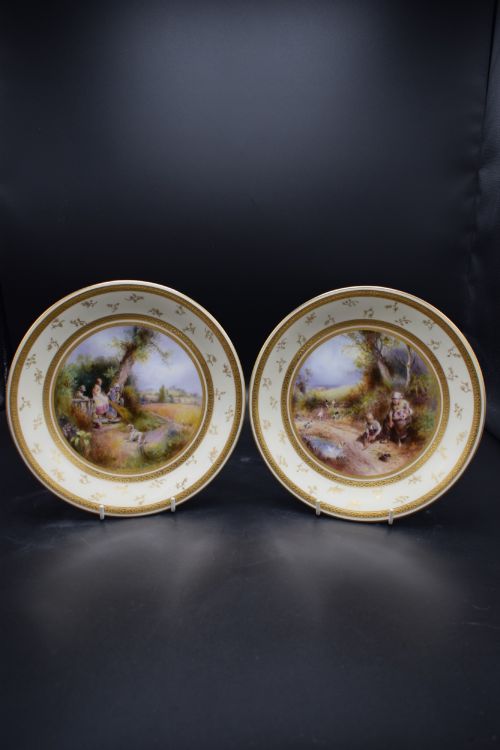
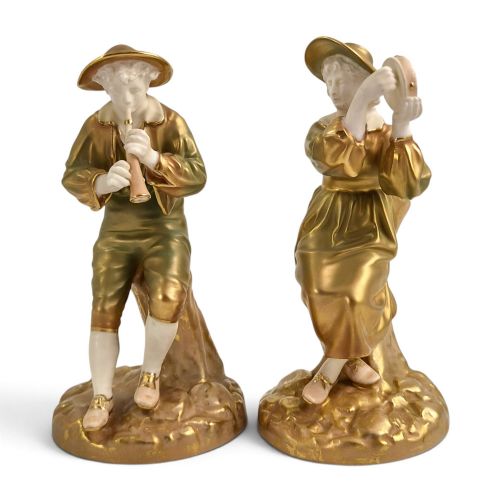
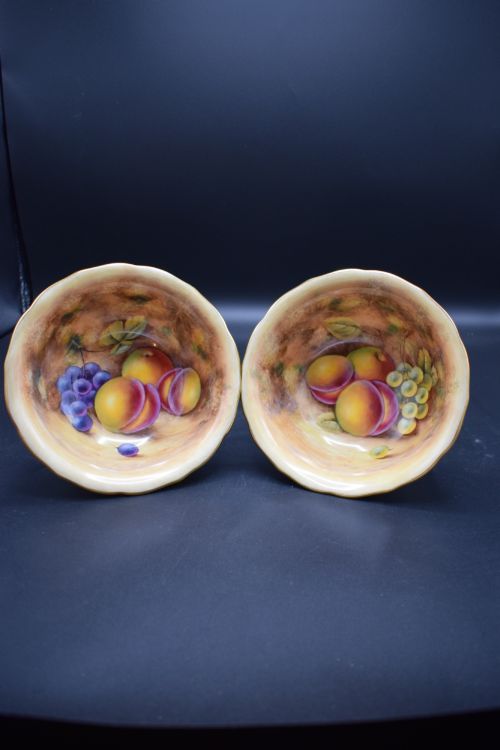
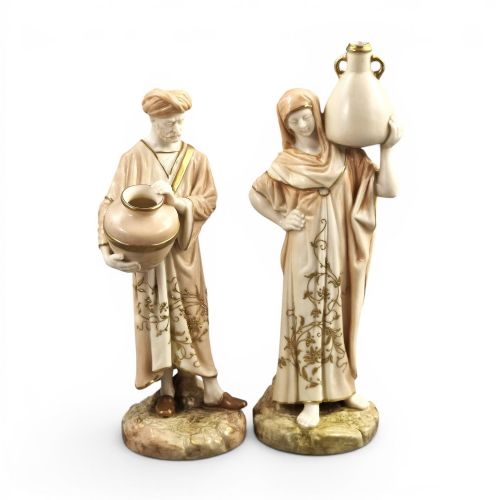
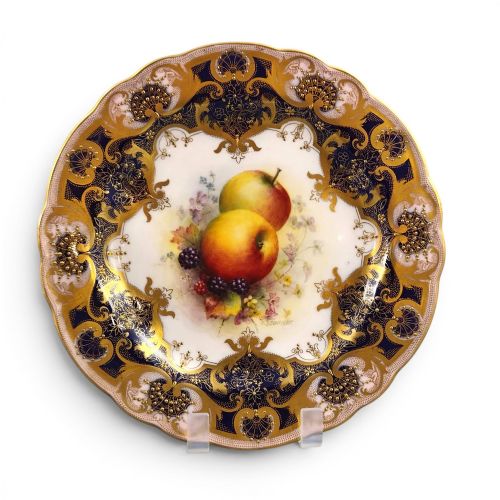
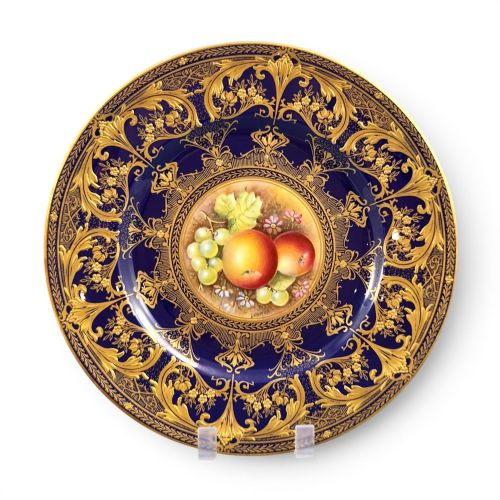
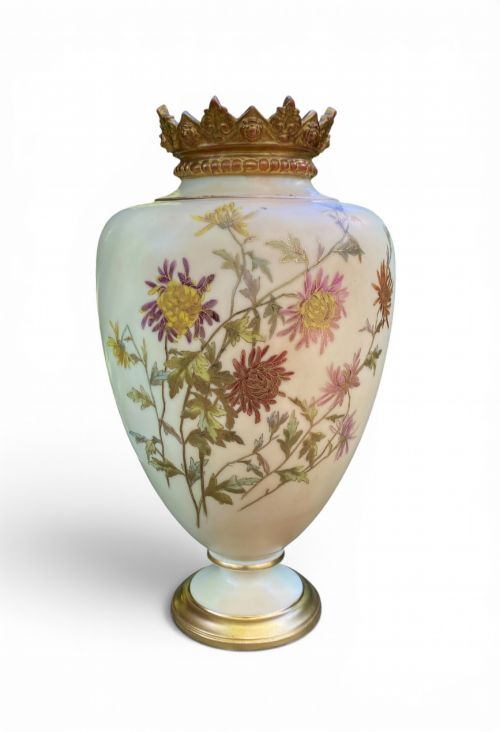
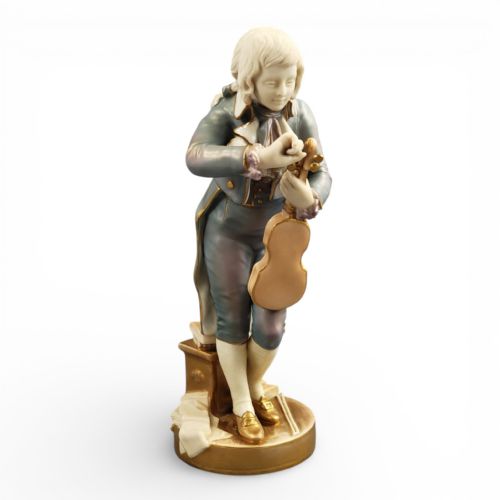
Cabinet plates and vases form the core of what you are likely to meet, alongside charming figural groups and diminutive candle snuffers. Many items showcase hand-painted scenes of fruit, cattle or sheep, reflecting the enduring popularity of pictorial porcelain from renowned hands.
The objects originate across various eras, including Georgian examples from the early nineteenth century, intricate Edwardian blush ivory pieces, and bolder designs from the nineteen-fifties. Each era contributes distinct forms and decorative vocabularies to the overall range.
Materials and Techniques
Makers utilised fine porcelain and bone china as the primary foundations for these works, shaping them into vases, jugs, and decorative plates. These ceramic bodies provided a smooth, white surface ideal for detailed enamel work and intricate hand-painting.
Gilding and gold leaf feature extensively across the range, often accentuating rims, handles, and borders with a bright metallic finish. Enamel colours were applied and fired repeatedly to achieve the rich hues seen in both floral patterns and pictorial scenes.
Collectible Worcester Retail Price Guide 2026
Typical asking prices for collectible worcester among the pieces listed under this phrase on Sellingantiques today, from the lower quarter to the upper quarter. They describe what is for sale here now, not the wider market.
Listings feature porcelain and bone china forms decorated with gold leaf, gilding, and enamel across Georgian, Victorian, and twentieth-century periods.
Judging Quality
The standard of painting largely dictates where a piece sits within the range, particularly on items featuring fruit, cattle or portraits by named artists. Skilled brushwork and careful shading elevate a cabinet plate or vase far above standard factory output.
The complexity of the modelling and the crispness of the porcelain form also separate standard items from superior examples. Elaborate gilding and well-preserved enamel colours further distinguish the most accomplished works.
Royal Worcester·Flight Barr And Barr·Chamberlains Worcester
The Collectible Worcester Glossary
- Blush ivory
- A softly shaded cream-coloured porcelain body introduced during the late nineteenth century. It often serves as a muted background for gilt highlights and floral painting.
- Cabinet plate
- A decorative ceramic plate intended for display in a cabinet rather than for dining. These typically feature intricate painted scenes by notable artists.
- Tygs
- A traditional multi-handled drinking vessel, often appearing in miniature forms within twentieth-century production. They reflect historical drinking vessel shapes adapted for ornamental use.
- Pastille burner
- A small ceramic container designed to burn scented pastilles, often modelled as a cottage or architectural fantasy. These pieces combine ventilation holes with decorative painting.
- Ground
- The main background colour or surface treatment applied to a ceramic piece before additional decoration or gilding takes place. Different coloured grounds help categorise specific nineteenth-century styles.
Collectible Worcester: Frequently Asked Questions
How do I display cabinet plates?
Cabinet plates are designed primarily for visual appreciation rather than table use. They work best showcased on sturdy plate stands inside glass-fronted display cabinets or mounted securely on walls.
Keeping them away from direct sunlight preserves the vibrancy of the enamel colours and gold leaf over time. Proper placement ensures the painted fruit or floral motifs remain the focal point of a room.
Who were the notable Worcester artists?
Numerous skilled painters contributed to the factory's output, specialising in subjects such as Highland cattle, sheep, and still-life fruit. Signatures or initials on the front or back of a piece often indicate the hand of a master decorator.
Artists often built reputations for specific motifs, making signed works particularly sought after by collectors. Their detailed brushwork elevates standard ceramic blanks into individual works of art.
How do I identify Georgian Worcester?
Georgian pieces often bear specific factory inscriptions or paste variations associated with the early nineteenth century. Markings from partnerships such as Flight Barr and Barr help establish an accurate timeline.
These earlier examples frequently feature dragon patterns, armorial motifs, or neoclassical shapes distinct from later Victorian styles. Examining the base marks alongside the potting style provides clear clues to the period.