


Collectible Walking Cane
A collectible walking cane combines daily utility with exceptional craftsmanship, offering buyers a tangible piece of period artistry.
Collectible Walking Cane
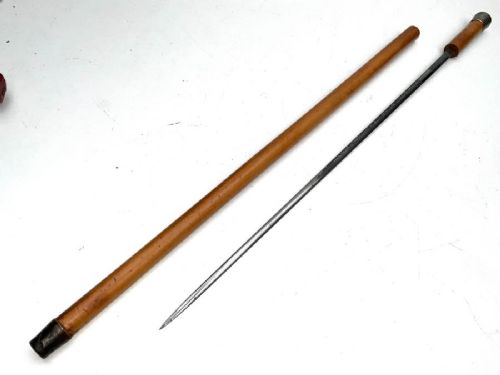
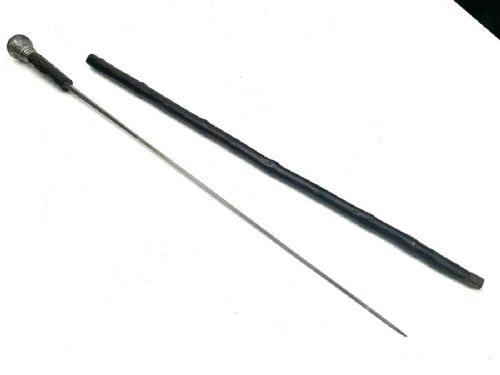
A collectible walking cane serves as a portable statement of status and personal taste from past centuries. Buyers search for these pieces to acquire historical accessories that often conceal functional surprises such as hidden blades or corkscrews.
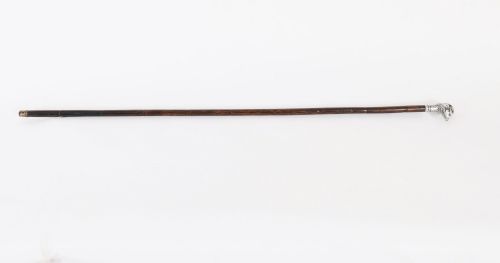
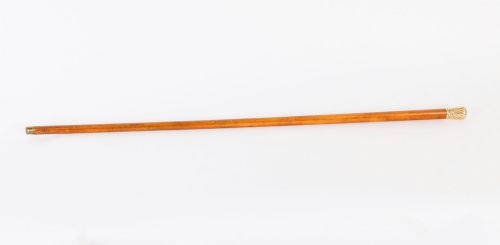
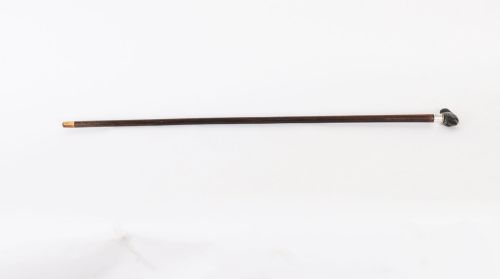
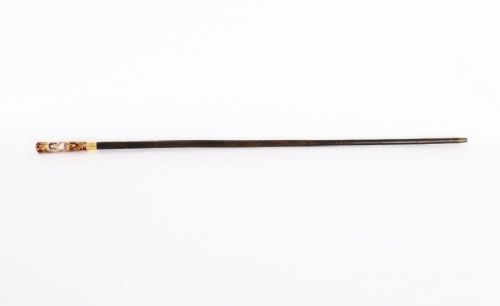
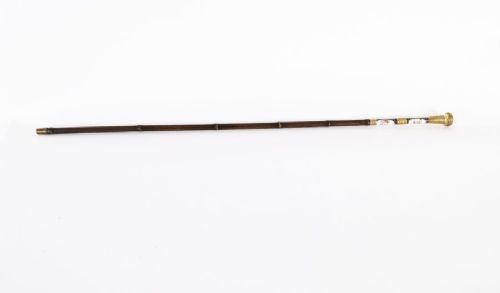
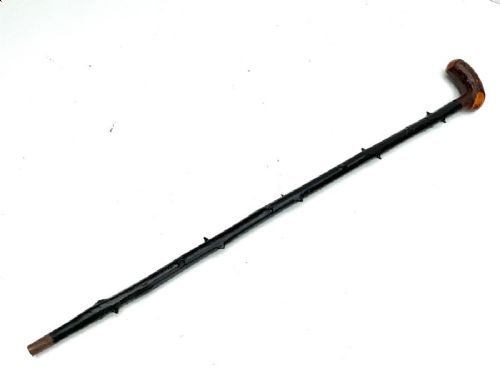
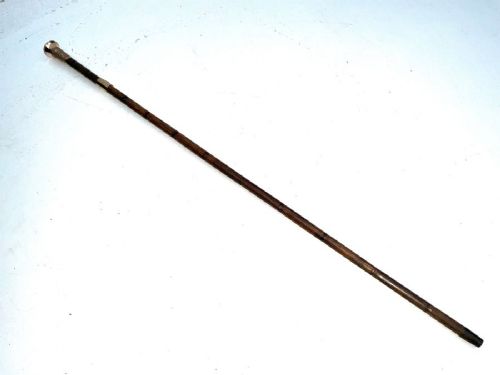
The selections on this page span the Victorian, Edwardian, and Art Deco eras, alongside French nineteenth-century examples and traditional Irish blackthorn sticks. Most items combine robust shafts of hardwood with decorative handles fashioned from metal, porcelain, or bone.
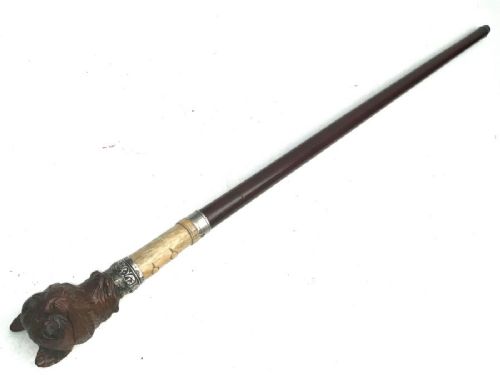
Formal pommels, animal heads, and novelty carvings dominate the inventory, reflecting the diverse preferences of historical gentlemen and military officers. Collectors encounter both everyday gentlemanly supports and specialised gadget sticks designed for specific pastimes.
Materials and construction
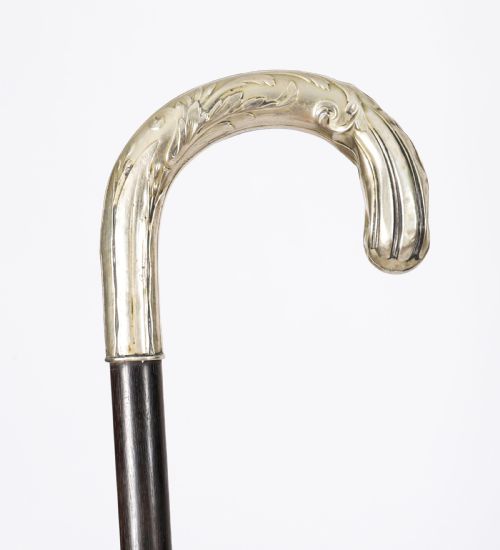
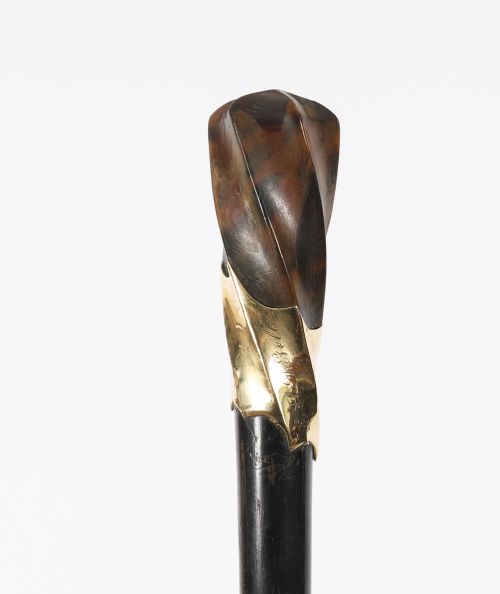
Craftsmen utilised durable natural materials such as hardwood, holly wood, malacca, and horn for the shafts, ensuring structural integrity for daily use. Metals including steel, brass, silver, and gold plate formed collars, tips, and elaborate handles.
Handles frequently featured detailed modelling, incorporating Sevres porcelain panels, carved bone, leather coverings, or cast silver in the shape of ducks, horses, and parrots. Specialised concealed mechanisms integrated blades, corkscrews, and specialised tools securely within the wooden shafts.
Periods represented span from the nineteenth century through the Victorian, Edwardian, and Art Deco eras.
Distinctions in craftsmanship
Quality rests upon the refinement of the handle carving and the integration of any concealed mechanisms, distinguishing standard utility items from luxury bespoke pieces. Finer specimens display superior metalwork, hallmarked precious metals, or hand-painted porcelain panels rather than mass-produced components.
The choice of materials also dictates standing, with solid gold pommels and intricate silver work representing a higher tier of production than simple horn or plain wood handles. Preservation of the original finish and the precise alignment of internal blades further separate superior examples.
Brigg's
The Collectible Walking Cane Glossary
- Pommel
- The rounded handle or knob at the top of a walking stick. It is often shaped from silver, gold, or carved bone.
- Sword stick
- A walking cane containing a concealed blade housed within the wooden shaft. These items combined support with personal defence.
- Blackthorn
- A traditional Irish wood utilised for walking sticks, known for its knotty texture and natural resilience. It forms the basis of authentic Irish walking pieces.
- Swagger stick
- A short, light cane traditionally carried by military officers. These items functioned primarily as a mark of rank rather than physical support.
- Malacca
- A type of rattan cane prized for its mottled brown finish and flexibility. It serves as a favored material for high-quality walking stick shafts.
Collectible Walking Cane: Frequently Asked Questions
What is a gadget walking cane?
A gadget walking cane incorporates a concealed utility within its shaft or handle, such as a hidden blade, a corkscrew, or specialised tools.
These functional additions served various practical or leisurely purposes for historical owners while maintaining the outward appearance of a standard walking stick.
How do I identify the period of a cane?
Dating relies on stylistic markers such as Art Nouveau curves, Art Deco geometric patterns, or Victorian and Edwardian manufacturing traits.
Examination of metal hallmarks, specific handle motifs, and material choices further assists in narrowing down the era of production.
Were all walking canes used for support?
Many sticks functioned as fashion accessories, status symbols, or military badges of rank rather than strict medical supports.
Lighter swagger sticks and decorative novelty pieces were designed to be carried during social outings rather than leaned upon for heavy mobility assistance.