


Collectible Scent Bottle
These collectible scent bottle pieces unite vanity and craft, offering tangible links to historical dressing tables and early twentieth-century design.
Collectible Scent Bottle
A collectible scent bottle encompasses small portable vessels designed to hold perfume, volatile salts, or aromatics, spanning several distinct eras of decorative arts. Buyers searching this phrase encounter examples ranging from Georgian and Victorian silver pieces to early twentieth-century glass creations.
The most common iterations on this page include sterling silver mounted glass vessels and moulded opalescent glass works from French makers. These items vary from pocket-sized vinaigrettes to substantial display bottles.
How they were made
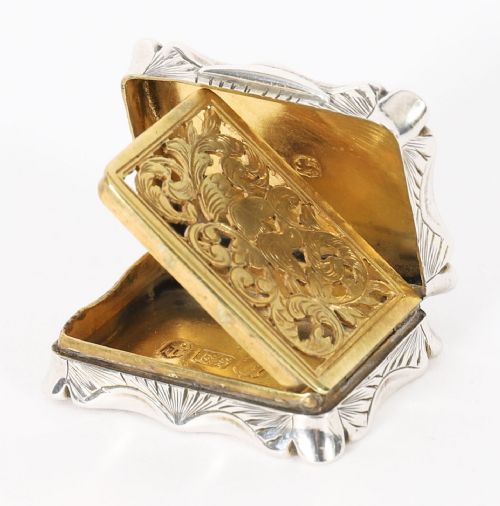
Makers utilised clear, frosted, and opalescent glass, often shaping pieces through moulding techniques to achieve complex relief patterns and sculptural stoppers. Silverwork involves detailed casting and piercing, particularly evident in the grilles of vinaigrettes and the mounts of Victorian bottles.
Surface treatments such as enamel work and coloured staining are applied to accentuate the moulded details of the glass. These combined material methods define the physical character of the pieces.
Listings feature sterling silver and moulded opalescent glass across Victorian, Georgian, and Art Deco periods.
What varies in quality
Quality rests upon the crispness of the moulded glass relief and the intricacy of any metal mounts. Early twentieth-century pieces derive distinction from the depth of the finish and the retention of original staining.
Georgian and Victorian examples achieve status through the hallmarks, the precision of the silver piercing, and the integrity of the internal fittings. The presence of matching original boxes or stoppers elevates the overall standard.
Edward Smith·Rene Lalique·Sabino
The Collectible Scent Bottle Glossary
- Vinaigrette
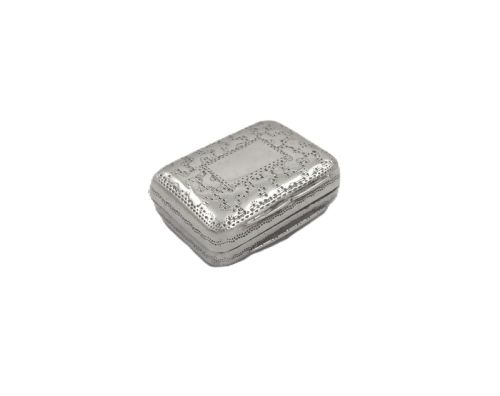
- A small ornamental box with a pierced inner grille, designed to hold a sponge soaked in aromatic vinegar. These silver containers date predominantly from the Georgian and Victorian periods.
- Opalescent glass
- Glass that diffuses light to display a milky, iridescent blue or amber appearance, frequently utilised in French Art Deco pieces. This effect is achieved through the addition of specific chemical agents during melting.
- Sterling silver
- An alloy comprising ninety-two point five percent silver and seven point five percent other metals, standard for British tableware and mounted scent bottles. Hallmarks stamped into the metal indicate the assay office and date.
- Moulded glass
- Glass formed by pressing molten material into a metal or wooden matrix to create defined patterns and shapes. This technique allows for repeatable decorative motifs across scent bottle production.
- Stoppering
- The method by which a bottle is sealed, often involving a ground glass stopper designed specifically for one neck. Complete vessels retain their matching original closures.
Collectible Scent Bottle: Frequently Asked Questions
What is a vinaigrette?
A vinaigrette is a small silver container featuring an internal hinged grille, designed to hold a vinegar-soaked sponge. These pieces were carried in pockets or reticules during the Georgian and Victorian eras.
They allowed the owner to counter unpleasant odours in public spaces before modern sanitation became widespread.
How do I date a glass bottle?
Dating relies on stylistic indicators such as Art Deco or Art Nouveau motifs, alongside maker signatures moulded into the glass base or body. Documentation like boxes and historical catalogues also assists.
Material qualities, including opalescence and frosting types, further indicate the manufacturing decade.
Were these bottles used for perfume?
Many vessels held concentrated liquid perfumes, whilst others contained smelling salts or aromatic vinegars for medicinal purposes. The interior corrosion or residue often hints at the original contents.
Stoppers were ground to fit tightly and prevent the evaporation of volatile oils.
How should I display them?
Displaying scent bottles requires stable shelving away from direct sunlight, which can alter coloured glass over extended periods. Placing them on mirrored trays helps illuminate the opalescent and frosted details.
Handling should focus on supporting the base rather than lifting by the decorative stoppers.