




Collectible Porcelain Plate
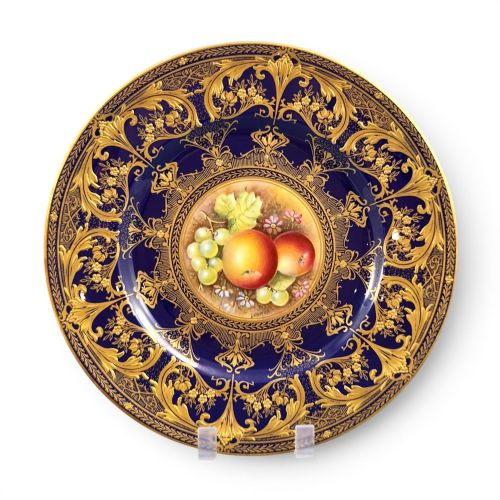
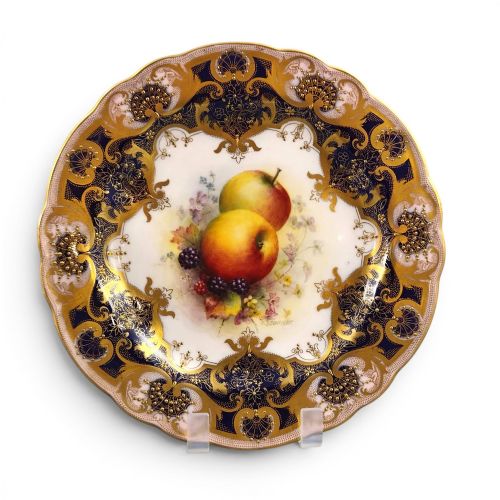
These collectible porcelain plate examples bring hand-painted fruit, floral motifs and gilt edges straight to cabinet display.
Collectible Porcelain Plate
A collectible porcelain plate encompasses fine decorative dishes, cabinet plates and plaques originating from periods ranging from the Georgian era through to the mid-twentieth century.
The pieces on this page appear in forms such as dessert plates, side plates and large rope-edge dining plates created by notable English and continental factories.
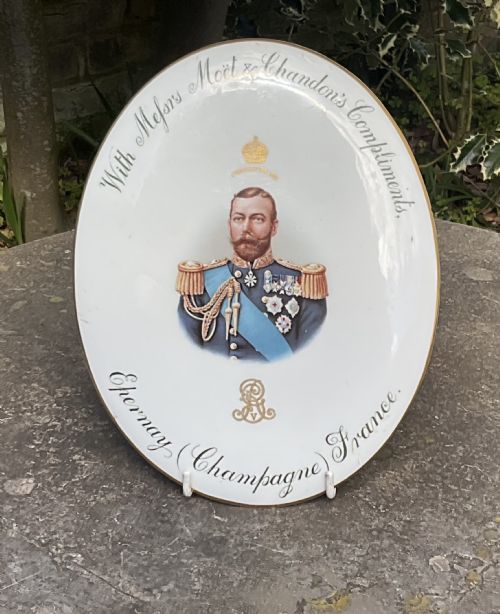
Makers include Royal Worcester, Minton, Derby, Coalport and Meissen, showcasing painted fruit, botanical studies and heraldic commissions.
Materials and production
Items utilise fine porcelain and bone china bodies, shaped into display vessels and decorative plaques.
Decoration relies on hand-painted enamel pigments combined with gold leaf, gilt and gilding to accentuate rims and central motifs.
Collectible Porcelain Plate Retail Price Guide 2026
Typical asking prices for collectible porcelain plate among the pieces listed under this phrase on Sellingantiques today, from the lower quarter to the upper quarter. They describe what is for sale here now, not the wider market.
One unexpected item bridges dining ware and weaponry: a nineteenth-century French sword stick concealed inside a Sevres porcelain plate design.
Assessing quality
Distinction lies in the execution of the hand-painted artistry, particularly detailed fruit studies or intricate Kakiemon patterns by known artists.
The presence of precious metal gilding and specialised forms such as cabinet plates elevates the status of an object.
Royal Worcester·Cauldon Ltd·Derby·Minton·Barr Flight And Barr·Coalport·Meissen·Royal Crown Derby
The Collectible Porcelain Plate Glossary
- Cabinet plate
- A decorative plate intended for display in a cabinet rather than for dining use. These often feature elaborate hand-painted scenes and rich gilding.
- Bone china
- A type of soft-paste porcelain incorporating bone ash, known for its high strength, chip resistance and translucent body.
- Gilding
- The application of gold leaf or gold powder to the surface of porcelain. It highlights rims, handles and decorative borders.
- Enamel
- Opaque glass-like material applied to porcelain as coloured decoration before firing. It provides vibrant hues for floral and pictorial scenes.
Collectible Porcelain Plate: Frequently Asked Questions
How do I display a cabinet plate?
Cabinet plates suit dedicated wall mounts or sturdy wooden display stands designed to hold weighted porcelain securely without obscuring the painted borders.
Position them away from direct sunlight to preserve the vibrancy of the hand-painted enamels and gold leaf details.
Can I use these plates for dining?
Most of these pieces function primarily as cabinet plates or decorative plaques rather than everyday tableware. The delicate enamel work and extensive gilding suffer from regular cutlery use.
Gentle dusting is generally sufficient for maintenance, avoiding abrasive cleaners that might harm the antique glaze.
How do I identify the period of a plate?
Dating relies on factory backstamps, paste consistency and stylistic markers associated with Georgian, Victorian or Edwardian design. Painted signatures and registration numbers also help pinpoint the era.
Comparing the border style and colour palette to documented factory patterns confirms the decade of production.
What is the difference between porcelain and bone china?
Traditional porcelain uses fine ceramic minerals fired at high temperatures to achieve a dense, bright white body. Bone china integrates animal bone ash into the mixture, resulting in a lighter and slightly translucent structure.
Both materials serve as standard bases for the hand-painted cabinet plates found in traditional collections.