
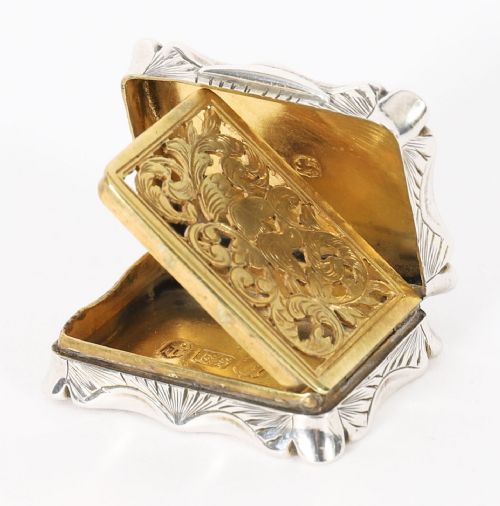


Collectible Perfume Bottle
A collectible perfume bottle offers miniature artistry in glass and silver, combining period design with functional elegance.
Collectible Perfume Bottle
When you search for a collectible perfume bottle, you find portable containers designed for scents and volatile salts. These pieces span from the Victorian era into the twentieth century, reflecting shifting tastes in vanity items.
The most common examples on this page are moulded glass vessels and silver-mounted containers. You will encounter nineteenth-century vinaigrettes alongside twentieth-century frosted and opalescent glass creations.
Makers and designers of this period utilised distinct stylistic movements, moving from ornate nineteenth-century metalwork to the geometric lines of Art Deco and the sinuous curves of Art Nouveau.
How they were made
Glassmakers employed moulding and frosting techniques to achieve tactile surfaces and sculptural depth. Opalescent glass allows pieces to catch the light, shifting tone depending on the angle.
Silversmiths constructed intricate mounts, caps, and internal grilles for vinaigrettes using sterling silver. Enamel and paper details were frequently applied to enhance the exterior design of glass bodies.
Some twentieth-century bottles retain their original red staining, reminding us that vanity tables once embraced dramatic flair.
What varies in quality
The distinction between standard items and exceptional examples lies in the crispness of the moulded glass relief and the presence of original stoppers. Designer signatures and coloured staining significantly elevate the character of a piece.
Silver components demonstrate quality through crisp hallmarks, secure hinges, and intact internal work. The retention of original boxes or associated packaging adds a layer of historical completeness.
Edward Smith·Rene Lalique·Sabino
The Collectible Perfume Bottle Glossary
- Vinaigrette
- A small ornamental box or bottle with a perforated inner grille, designed to hold a sponge soaked in aromatic vinegar. These portable items were popular during the nineteenth century.
- Opalescent glass
- A type of glass that appears milky blue in transmitted light and warm amber or yellow in reflected light. This optical effect was favored by twentieth-century glassmakers.
- Frosted glass
- Glass treated to achieve a matte, non-reflective surface texture through acid etching or sandblasting. It provides a tactile contrast to clear glass sections.
- Sterling silver
- An alloy consisting of silver and other metals, traditionally copper, standardised for durability and use in decorative metalwork. It forms the structural mounts on many scent bottles.
- Moulded glass
- Glass shaped by being pressed into a metal or wooden mould while hot. This technique allowed makers to produce intricate relief patterns consistently.
Collectible Perfume Bottle: Frequently Asked Questions
How do I spot an original stopper?
Original stoppers often bear matching numbers or fit the ground glass neck precisely. Look for consistent wear patterns between the stopper and the bottle body.
Replacement stoppers frequently sit differently or show mismatched patination compared to the rest of the vessel.
What is a vinaigrette?
A vinaigrette is a small container housing a perforated grille that held a sponge soaked in scented vinegar. They were carried in pockets or reticules during the nineteenth century.
These pieces differ from standard scent bottles by containing internal metalwork rather than holding liquid perfume directly.
How do I identify Art Deco pieces?
Art Deco scent bottles typically feature geometric motifs, symmetrical patterns, and stylized representations of flora or fauna. The glass is often heavy and moulded with sharp relief.
This style contrasts with the flowing, organic lines characteristic of earlier Art Nouveau designs.
Can I still use these for perfume?
While these items were originally functional vanity accessories, modern use is generally discouraged. Historical adhesives, cork seals, and delicate stoppers can degrade when exposed to modern alcohol-based fragrances.
Displaying them empty preserves the glass integrity and any internal staining or original paper labels.