



Collectible Horn Carving
Collectible horn carving brings together functional objects transformed by skilled hands, offering tactile pieces of folk art and social history for the discerning collector.
Collectible Horn Carving
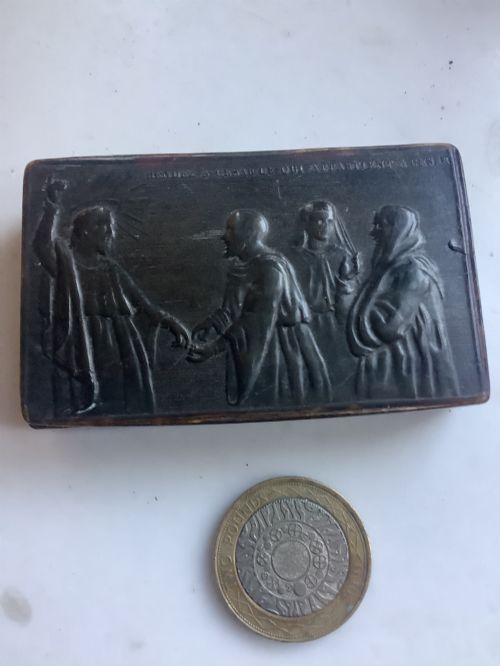
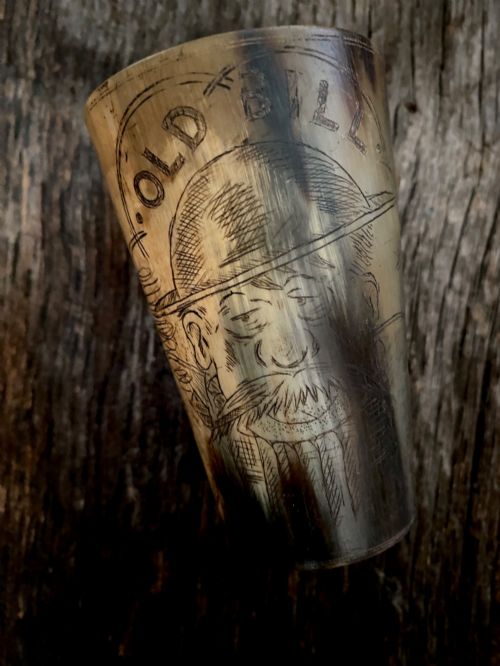
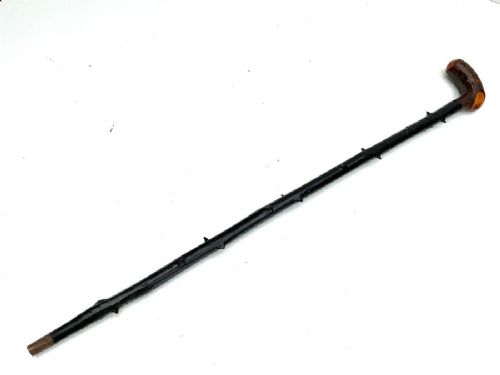
Collectible horn carving covers a fascinating array of utilitarian and decorative objects shaped from natural materials, most frequently appearing in forms like walking sticks, beakers, pipes, and snuff boxes. These pieces often reflect domestic skill, personal utility, or wartime resourcefulness, capturing daily life across the nineteenth and early twentieth centuries.
The versions most commonly met on this page span the Victorian era up to the First World War, including items associated with country pursuits, traditional Irish crafts, and trench art. Makers utilised the organic qualities of horn and antler to create everything from game boards to intricate netsuke pipe case holders.
Objects carrying this description range from humble folk art items to sophisticated walking sticks featuring gold pommels and hidden mechanisms. Each piece demonstrates how makers adapted natural horn, wood, and metal to suit the aesthetic and practical demands of their respective periods.
Materials and construction methods
Makers primarily worked with natural horn, stag antler, and various woods such as blackthorn and birch, exploiting the fibrous and flexible nature of organic materials. These substances required careful softening, shaping, and carving to transform rigid raw matter into smooth beakers, slender walking stick handles, and intricate snuff boxes.
Surface decoration often relied on hand-carving and incising techniques, visible in the detailed relief work on trench art pipes and games boards. Craftsmen combined horn with metal components, including 18ct gold pommels and hidden corkscrews, demonstrating advanced assembly skills alongside traditional carving.
Collectible Horn Carving Retail Price Guide 2026
Typical asking prices for collectible horn carving among the pieces listed under this phrase on Sellingantiques today, from the lower quarter to the upper quarter. They describe what is for sale here now, not the wider market.
At least one Victorian walking stick conceals a rabbit handle with a hidden corkscrew, proving practical needs and humour went hand in hand.
Distinctions in quality and execution
The standard of a carved piece depends heavily on the precision of the handwork and the natural integrity of the material selected by the maker. Superior examples exhibit balanced proportions, crisp surface detail, and harmonious integration of mixed materials like horn and precious metals.
Pieces showing imaginative adaptation, such as disguised gadgets or distinct narrative carving, demonstrate a higher degree of artisan creativity. Conversely, lesser examples display coarser finishing and less sympathetic handling of the organic medium.
Brigg
The Collectible Horn Carving Glossary
- Horn
- A hard, fibrous material derived from the outer sheath of the horns of cattle, sheep, and related animals. It was routinely boiled and pressed or carved into durable domestic items.
- Trench Art
- Any decorative or utilitarian item made by soldiers, prisoners of war, or civilians from war debris and natural materials. These objects often date from the First World War and incorporate horn and wood.
- Netsuke
- A small carved toggle traditionally used in Japanese dress to secure a small container to a sash. They frequently take sculptural forms carved from horn or bone.
- Pommel
- The rounded knob or decorative cap on the end of a walking stick or cane handle. High-end examples incorporate materials like 18ct gold.
- Snuff Box
- A small container designed to hold pulverized tobacco. These pocket-sized items often combined tortoiseshell, horn, and fine wooden framing.
Collectible Horn Carving: Frequently Asked Questions
What are collectible horn carvings?
These pieces are historical items shaped from natural horn, antler, and bone, ranging from walking sticks to snuff boxes and smoking pipes. They highlight domestic ingenuity and traditional folk art techniques.
Most examples date from the nineteenth and early twentieth centuries, reflecting the varied practical and decorative uses of organic materials in daily life.
How were horn items used historically?
Many of these objects served everyday functions, such as walking aids, drinking vessels, and containers for tobacco or snuff. Others fulfilled leisure roles, including games boards for cribbage.
Soldiers also repurposed materials during wartime to create personal items and propaganda pieces, blending utility with expressive carving.
How do I care for antique horn?
Organic materials require stable environmental conditions away from direct sunlight and extreme humidity to prevent warping or drying out. Gentle dusting with a dry cloth is generally sufficient for maintenance.
Avoid immersing antique horn in water or using harsh chemical cleaners, as these substances damage the natural surface and historical patination.
How can I tell the period of a piece?
Dating relies on identifying the prevailing styles, specific historical contexts like First World War trench art, and characteristic manufacturing techniques of the nineteenth and early twentieth centuries. Associated materials, such as 18ct gold pommels or specific wood types, also offer chronological clues.
Comparing construction methods against dated examples helps establish a reliable timeframe for individual items.