






Collectible Glassware
Collectible glassware brings tactile beauty into daily spaces through pressed patterns and tinted finishes.
Collectible Glassware
Collectible glassware encompasses varied decorative items produced across the nineteenth and twentieth centuries, including vases, plates, clocks, and apothecary bottles. Pieces range from Victorian apothecary vessels to ornate Art Nouveau cameo pieces and structured Art Deco vessels.
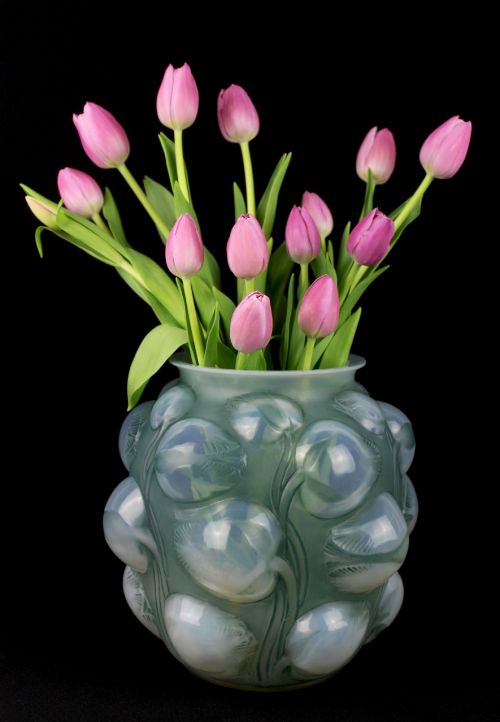
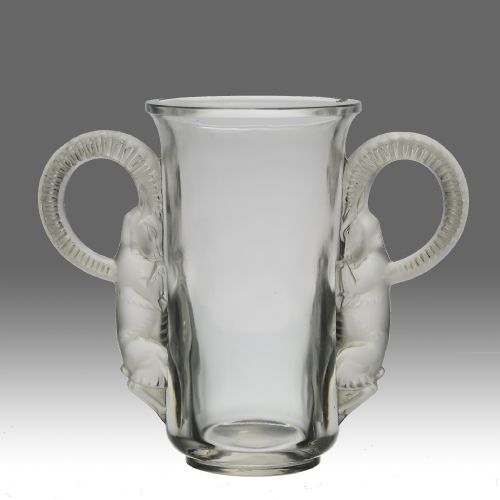
The selection on this page relies heavily on early twentieth century production, featuring prominent output from the Art Deco and Art Nouveau movements. Vases, decorative plates, and small bowls dominate the forms, often shaped from opalescent or clear materials.
Materials and production methods
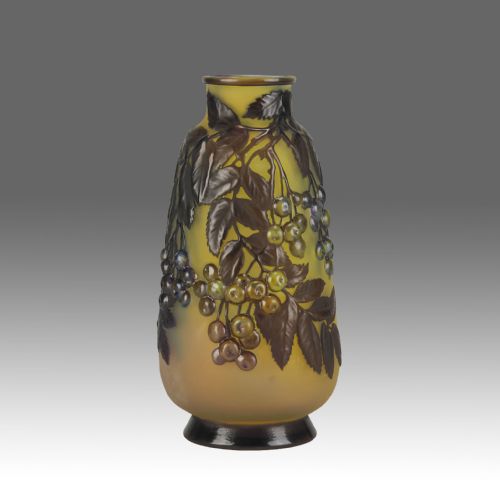
Makers utilised specialised techniques such as moulding, frosting, and acid-etching cameo layers to create depth and texture within the material. Opalescent glass required precise temperature manipulation during cooling to achieve its characteristic milky, light-catching shift in tone.
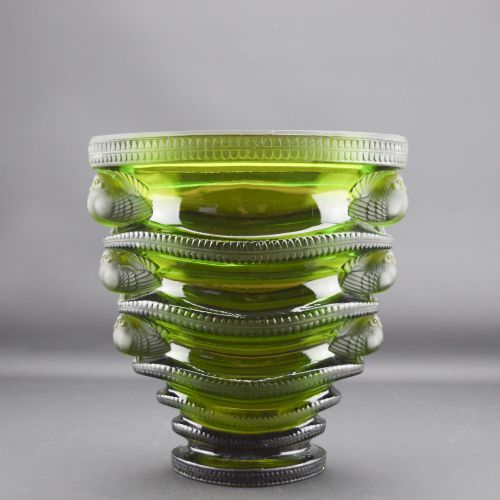
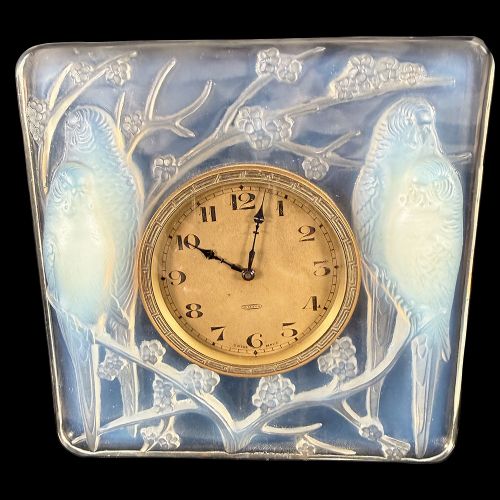
Metal elements occasionally combine with glass components, particularly in fitted items like clocks and decanters. Clear and tinted glass bodies form the foundation for surface relief work, contrasting matte textures against polished highlights.
Collectible Glassware Retail Price Guide 2026
Typical asking prices for collectible glassware among the pieces listed under this phrase on Sellingantiques today, from the lower quarter to the upper quarter. They describe what is for sale here now, not the wider market.
Listings span periods from 1850 to 1930, uniting Victorian apothecary items with Art Nouveau and Art Deco creations.
Quality factors in glass pieces
Distinction in quality rests upon the crispness of moulded relief work and the subtlety of colour graduation within opalescent finishes. Finer items display sharp definition in figural motifs and botanical details without surface distortion.
The integrity of the material structure, the balance of heavy bases in vases and candlesticks, and the refined execution of signature surface treatments separate standard production from masterworks.
Rene Lalique·Gallé·Monart
The Collectible Glassware Glossary
- Opalescent Glass
- Glass that milky-blue or fiery orange appearance when lit from different angles. This effect results from chemical additives and controlled cooling.
- Cameo Glass
- Multi-layered glass carved or acid-etched to reveal contrasting colours between the background and raised design. The technique demands immense patience from the maker.
- Moulded Glass
- Glass shaped by being pressed into a prepared metal or wooden form while molten. It allows for consistent replication of intricate geometric or naturalistic patterns.
- Frosted Glass
- Glass treated to achieve a matte, non-reflective surface texture. Acid-dipping or sandblasting typically creates this tactile finish.
Collectible Glassware: Frequently Asked Questions
What periods do these pieces span?
The items range from mid nineteenth century apothecary vessels through early twentieth century Art Nouveau and Art Deco movements. Most examples date from the nineteen-tens, twenties, and thirties.
Production methods shifted across these eras, moving from utilitarian apothecary containers to highly stylised decorative plates, vases, and lighting components.
How do I identify Art Deco glassware?
Art Deco pieces typically exhibit strong geometric lines, stylised floral motifs, and symmetrical patterns. Clear and opalescent moulded glass surfaces define the look of this period.
Vessels from this era often feature low-relief figures or repeating botanical elements such as dahlias, acacia, and foliage.
How should I display decorative glassware?
Position glass items near natural light sources to fully appreciate the interplay of clear, frosted, and opalescent finishes. Vases and bowls benefit from placement on stable, level surfaces away from heavy traffic.
Allow sufficient space around each piece so that light can pass through the moulded contours and highlight the surface relief.