






Collectible Glass Vessel
A collectible glass vessel brings tactile weight and layered colour to a room, ranging from delicate cameo carving to moulded botanical forms.
Collectible Glass Vessel
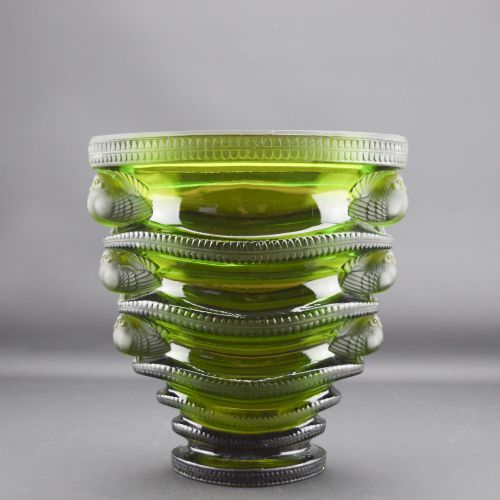
A collectible glass vessel encompasses a diverse array of decorative glassware and functional forms, drawing heavily upon the Art Nouveau, Art Deco, and Victorian periods. Buyers exploring this category encounter a prominent selection of vases, apothecary bottles, and maritime dioramas contained within glass bottles.
The physical origins span from the mid nineteenth century through the early twentieth century, showing a strong concentration of pieces from the nineteen twenties and nineteen hundreds. Vases dominate the selection, executed in distinct styles from floral motifs to geometric lines, alongside historical maritime folk art.
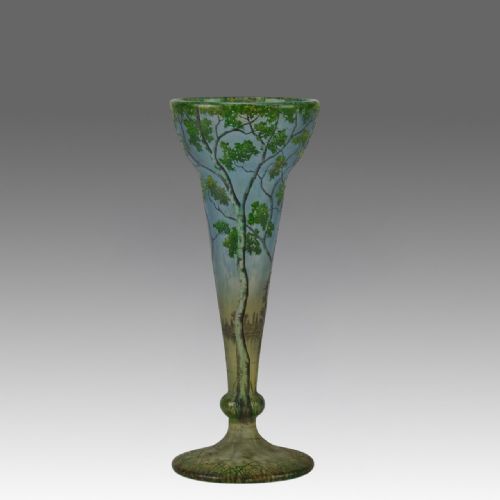
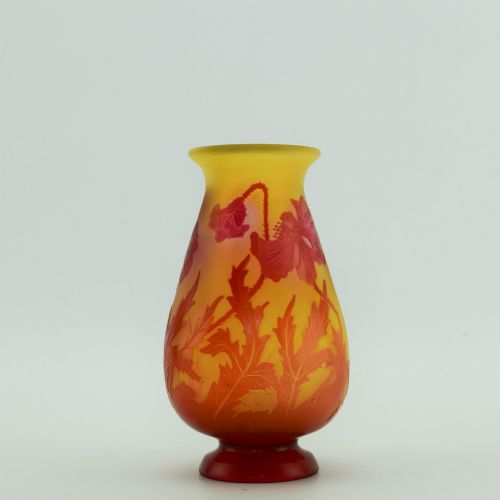
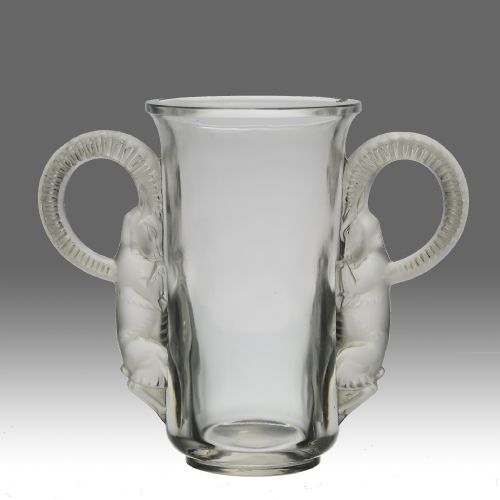
The most likely versions to meet on this page are French cameo glass vases and moulded opalescent or clear glass vessels bearing recognised names. Alongside these artistic statements, traditional apothecary glassware and detailed ship dioramas represent the alternative forms found within the collection.
Materials and Techniques
Makers utilised frosted, cameo, opalescent, and acid etched glass alongside enamel highlights to achieve depth and texture. The manipulation of hot and cold glass allowed artisans to carve away outer layers or mould molten material into complex botanical and geometric shapes.
Wooden elements appear alongside the glass where vessels require a plinth, particularly in the construction of detailed model ship dioramas housed within bottles. The combination of chemical treatments, such as acid etching, and manual carving defines the primary manufacturing techniques recorded in the pieces.
Distinctions in Execution
The sophistication of the surface treatment separates the more accomplished works from simpler production items. Multi layered cameo carving and precise acid etching demonstrate a higher degree of artistic control than basic moulded items.
The clarity of the material and the sharpness of the underlying design determine the visual success of the vessel. Works by established makers display a distinct crispness in execution, where every botanical or abstract detail is rendered with deliberate intent.
Rene Lalique·Daum Freres·Galle
The Collectible Glass Vessel Glossary
- Cameo Glass
- A vessel formed with multiple layers of coloured glass fused together, allowing the outer layers to be carved away to reveal a contrasting background design. This demanding technique creates a low relief sculptural effect.
- Opalescent Glass
- A type of glass that exhibits a milky, milky blue, or fire-like iridescence when light strikes its surface. It was heavily utilised during the early twentieth century to accentuate moulded contours.
- Acid-Etched Glass
- A method where hydrofluoric acid is applied to eat into the surface of the glass, creating frosted designs or textured patterns. This process allowed workshops to produce intricate repeats efficiently.
- Apothecary Bottle
- A functional container historically used by chemists to store medicinal substances, usually featuring heavy glass construction. Surviving examples often display distinct patination from their working life.
Collectible Glass Vessel: Frequently Asked Questions
What is a collectible glass vessel?
A collectible glass vessel is an artistic or historical object made primarily of glass during the nineteenth or early twentieth centuries. These pieces encompass decorative vases, apothecary containers, and specialist glass items valued for their craftsmanship.
Buyers seek them for their aesthetic impact, historical context, and the reputation of the workshops that produced them. Each item reflects the design priorities of its specific period, from Victorian utility to Art Deco styling.
How do I identify Art Nouveau pieces?
Art Nouveau vessels typically feature organic motifs such as flowers, plants, and aquatic themes. The lines are flowing and asymmetrical, mimicking natural growth patterns found in the natural world.
Techniques like cameo carving and enamel work were frequently employed during this era to enhance the botanical subjects. Makers such as Galle and Daum Freres excelled in this fluid, nature inspired aesthetic.
How were model ships placed inside bottles?
Model ships inside bottles were constructed with hinged masts and rigging that folded flat against the hull. The miniature vessel was inserted through the narrow neck of the bottle and pulled upright using attached strings once inside.
Wooden plinths and detailed dioramas were then secured to complete the maritime scene. This folk art tradition required immense patience and precise manual dexterity from the maker.
What distinguishes Art Deco glassware?
Art Deco glassware relies on geometric shapes, symmetry, and stylised representations of flora and fauna. Clear, frosted, and moulded glass dominate this period, often enhanced with contrasting patination.
Designers like René Lalique focused on industrial efficiency combined with high artistic standards. The resulting vessels project a sleek, modern sensibility distinct from earlier organic styles.