


Collectible Ceramic Vessel
A collectible ceramic vessel brings tactile history to a room, holding form and glaze from eras spanning the nineteenth and twentieth centuries.
Collectible Ceramic Vessel
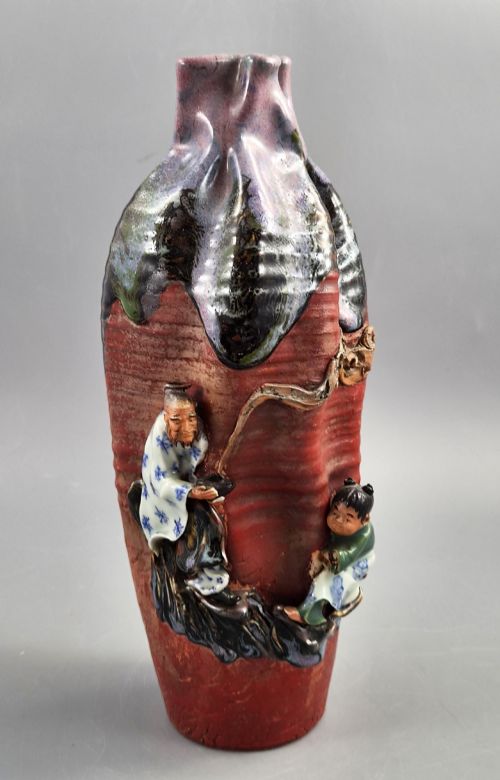
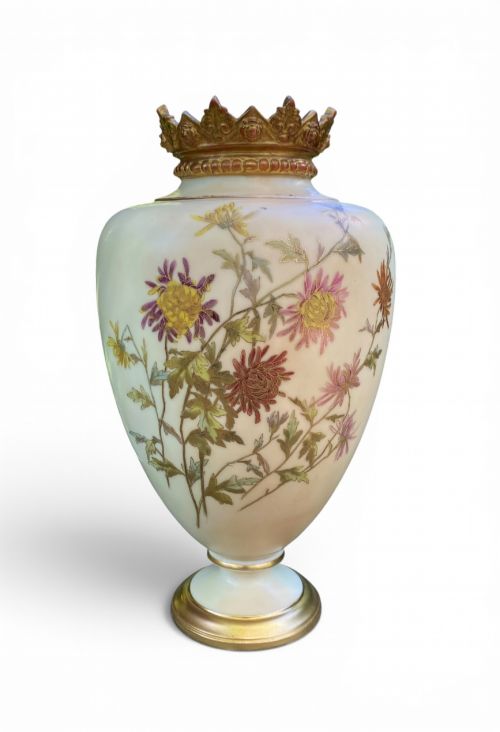
A collectible ceramic vessel covers a varied selection of utilitarian and decorative forms, ranging from vases and urns to teapots, jugs, and bowls. These items emerge from diverse design movements including Arts and Crafts, Art Nouveau, and Art Deco, alongside specific periods such as the Meiji era and the Victorian Aesthetic Movement.
Buyers will encounter works produced across different decades, from the nineteenth century through to the mid-twentieth century. The selection includes English pottery and porcelain alongside French ceramics and Japanese creations.
Functional pieces like teapots and creamers sit alongside purely decorative vases and bowls, reflecting the diverse domestic uses of ceramics across generations.
How they were made
Makers shaped these pieces using earthenware, stoneware, and porcelain, applying glazes, enamel, and occasionally gold leaf to the surfaces. Techniques range from agateware construction and painted fruit decoration to fluid flambé glazing and specialised pottery bodies like Jackfield.
Firing methods and glaze chemistry dictated the final visual outcome, producing smooth monochrome surfaces or rich multi-coloured effects on the ceramic body.
Listings feature items spanning the nineteenth and twentieth centuries, utilising materials from simple earthenware to refined porcelain.
What varies in quality
Quality rests in the precision of the form, the depth and control of the glaze, and the execution of any hand-painted or modeled detail. Master painters and established potteries achieved a distinct sharpness in decoration and purity in the ceramic body that elevates certain examples.
The sophistication of the design and the harmony between glaze effects and vessel shape determine the standing of an individual piece within its period.
Royal Staffordshire Porcelain·Royal Worcester·Royal Doulton·Pilkingtons Royal Lancastrian·William Moorcroft·Roger Guerin
The Collectible Ceramic Vessel Glossary
- Agateware
- Pottery made by blending different coloured clays to produce a marbled or veined pattern throughout the ceramic body. This technique requires careful preparation of the clay layers before shaping.
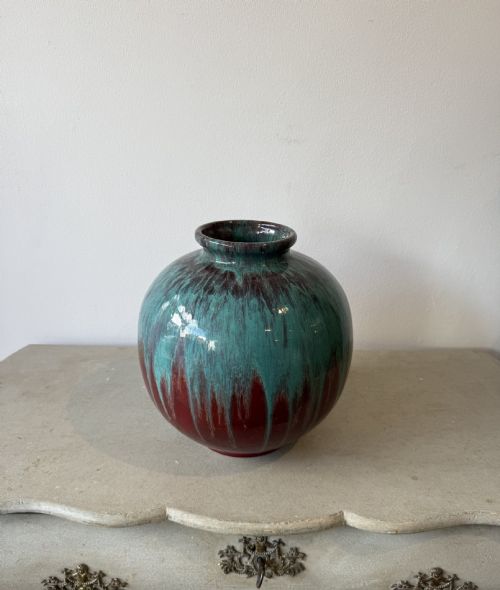
- Flambé
- A rich, streaky glaze effect achieved through reduction firing in a kiln, producing unpredictable and dramatic colour shifts. It was particularly favored by Japanese and European potters in the late nineteenth and early twentieth centuries.
- Pot pourri
- A vessel designed with a pierced or perforated lid to hold dried fragrant plant material for scenting a room. These decorative containers often feature hand-painted botanical or figurative scenes.
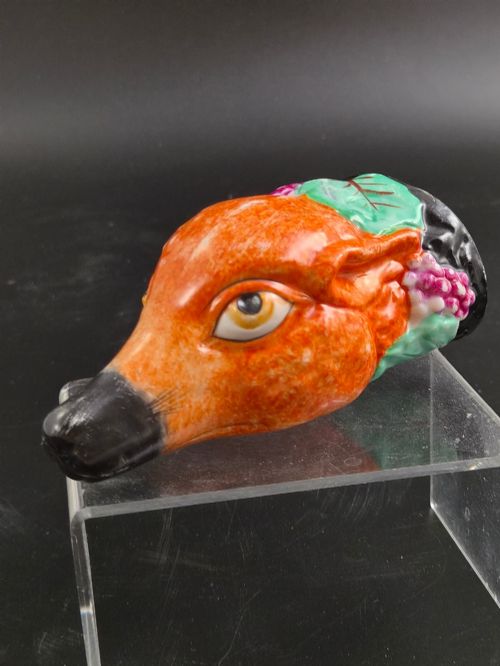
- Stirrup cup
- A traditional drinking vessel, often moulded in the shape of an animal head, handed to a rider before a hunt. They were typically produced in porcelain or earthenware during the nineteenth century.
Collectible Ceramic Vessel: Frequently Asked Questions
How do I date an antique ceramic vessel?
Dating relies on inspecting base marks, factory stamps, and stylistic cues unique to periods like the Victorian era or Art Deco. Examining the type of glaze and body fabric also helps narrow down the decade of production.
Makers often changed their impressed or printed marks over time, providing a reliable reference for establishing when a piece left the pottery.
What is the difference between earthenware and porcelain?
Earthenware uses porous clay fired at lower temperatures, requiring a glaze to become waterproof. Porcelain employs refined white clay fired at much higher temperatures, resulting in a vitrified, non-porous material.
Porcelain often rings when tapped and can appear translucent under strong light, whereas earthenware remains opaque and heavier in the hand.
How should I display ceramic vessels safely?
Place vessels on stable, level surfaces away from heavy foot traffic and direct edges where they might be knocked. Ensure shelves or display cabinets can adequately support the weight of denser stoneware and larger pieces.
Keep ceramics out of direct sunlight to prevent any painted enamel decorations or gold leaf accents from fading over time.
Can I use antique teapots and jugs for serving?
While many antique vessels were created for domestic utility, age can make interior glazes fragile or susceptible to staining. It is generally advisable to treat them as decorative display objects rather than items for daily use.
Thermal shock from hot liquids can also stress older ceramic bodies and historical glazes that have settled over the centuries.