



Collectible Cabinet Plate
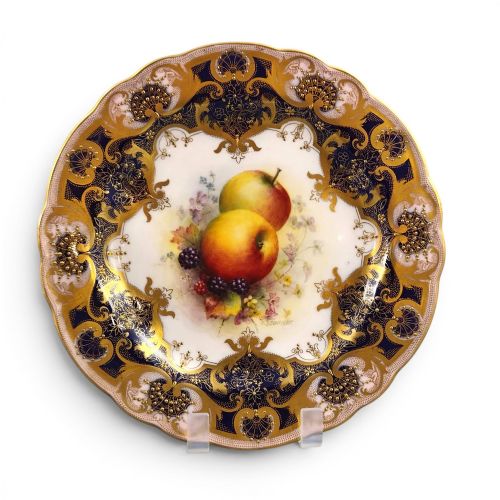
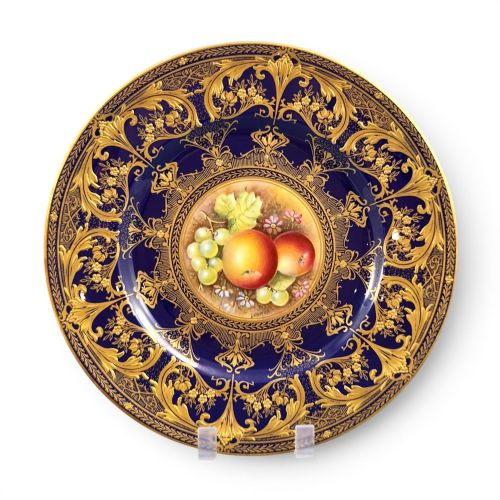
These pieces of collectible cabinet plate offer hand-painted scenes and fine porcelain bodies that elevate a display space.
Collectible Cabinet Plate
A collectible cabinet plate is a decorative ceramic piece intended for display rather than dining. Buyers look for fine painted scenes, rich borders, and makers associated with high-grade porcelain production.
The versions most frequently met on this page span the Georgian, Victorian, Edwardian, and mid-twentieth-century periods. Forms range from dessert plates and side plates to large rope-edge dinner pieces.
Origins include notable English factories such as Royal Worcester, Minton, Derby, and Coalport, alongside continental works like Meissen. These plates showcase hand-painted fruits, florals, and armorial details.
Materials and construction
The core material is hard-paste or bone china porcelain, providing a smooth white ground suited for detailed enamel painting. Factories shaped these pieces on a potter's wheel or in moulds before initial firing.
Decoration relied on hand-mixed ceramic enamels applied by specialist artists who painted subjects like fruit and flowers. Guilders then added gold leaf and gilding to rims and borders to frame the central artwork.
Collectible Cabinet Plate Retail Price Guide 2026
Typical asking prices for collectible cabinet plate among the pieces listed under this phrase on Sellingantiques today, from the lower quarter to the upper quarter. They describe what is for sale here now, not the wider market.
Listings feature porcelain bodies decorated with gold leaf, gilt, and enamel, spanning periods from Georgian to the mid-twentieth century.
Assessing quality in plates
Quality rests primarily on the skill of the artist responsible for the hand-painted subject matter. Named artists and documented works command greater attention than unsigned factory decoration.
The crispness of the porcelain body, the depth of the enamel colours, and the preservation of the gold leaf dictate the standing of an individual piece.
Royal Worcester·Cauldon Ltd·Derby Porcelain·Minton·Barr Flight and Barr·Coalport·Meissen·Royal Crown Derby
The Collectible Cabinet Plate Glossary
- Cabinet plate
- A decorative ceramic plate made for display in a cabinet or on a wall rather than for table service. These items typically feature elaborate hand-painted designs and gilt borders.
- Bone china
- A type of porcelain composed of clay, feldspar, and bone ash, known for its high strength, chip resistance, and translucent body. It became a staple material for fine English tableware.
- Gilding
- The application of gold leaf or gold powder onto the surface of porcelain. It highlights rims, handles, and borders.
- Kakiemon
- A style of Japanese enamelled porcelain export ware featuring asymmetric floral, bird, and tiger motifs. European factories such as Meissen frequently copied these patterns.
- Enamel
- Opaque or translucent glass fused to the surface of porcelain during firing to add colour. It provides the vibrant pigments seen in floral and fruit painting.
Collectible Cabinet Plate: Frequently Asked Questions
How were cabinet plates used originally?
These plates were designed to be showcased in glazed cabinets, on sideboards, or mounted on walls to demonstrate the wealth and taste of the owner. They formed part of grand dessert services or served as standalone works of art.
While made of durable porcelain, their delicate enamel painting and heavy gilding meant they rarely saw actual dining use.
How do I display a cabinet plate safely?
Displaying these plates requires stable wall hangers with rubber-coated grips or dedicated plate stands that support the base securely. Placing them away from direct sunlight protects the painted enamel and gold leaf from fading over time.
Ensure cabinets or shelving units are sturdy and positioned where foot traffic will not cause vibrations.
How can I tell the period of a plate?
Dating relies on maker marks, factory backstamps, and painted style indicators found on the underside of the ceramic body. Stylistic clues like apple-green Regency borders or Edwardian floral arrangements also point to specific decades.
Reference marks specific to English and continental factories help narrow down the exact year of production.
Are painted fruit plates signed?
Many fine cabinet plates feature signatures or initials from renowned ceramic artists working for factories like Royal Worcester. Signatures from painters such as Tom Keeling or Thomas Steele add significant interest for collectors.
Unsigned pieces still display high craftsmanship but lack the documented attribution of a named hand.