



Collectible Bronze Statue
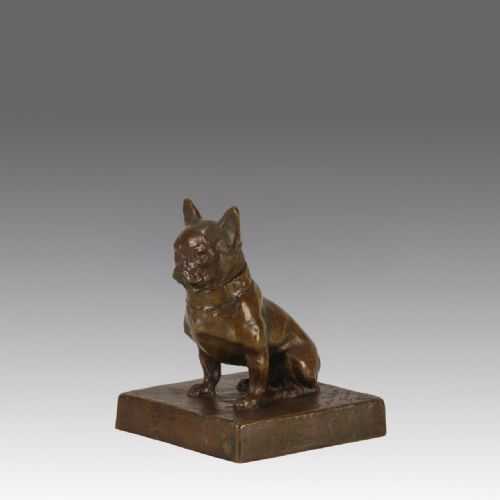
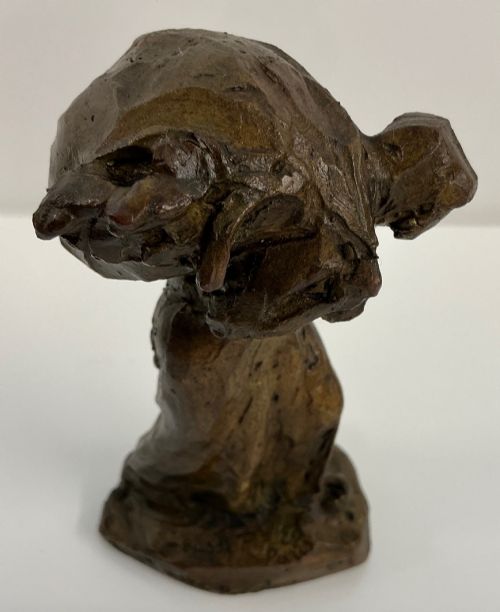
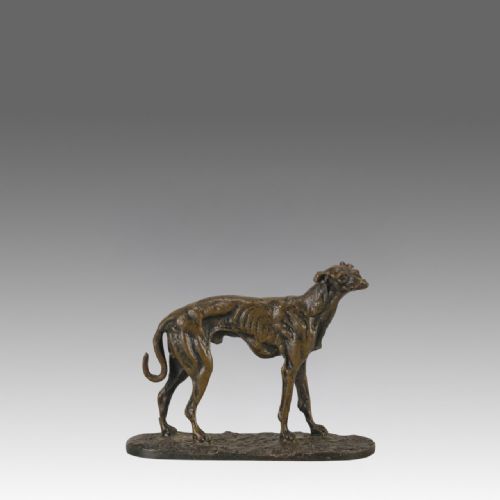
A collectible bronze statue brings weight and character to a desk or shelf, capturing decades of animalier flair and human figure study in solid metal.
Collectible Bronze Statue
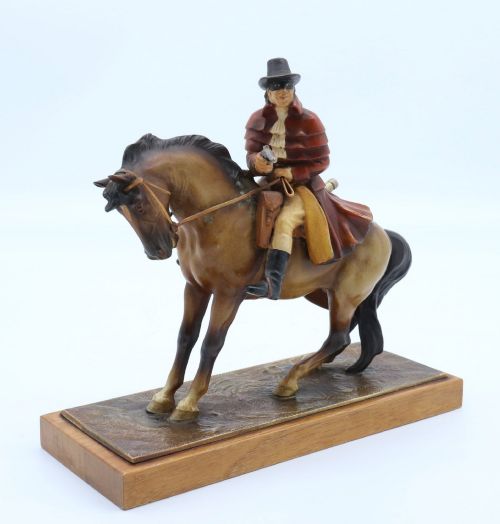
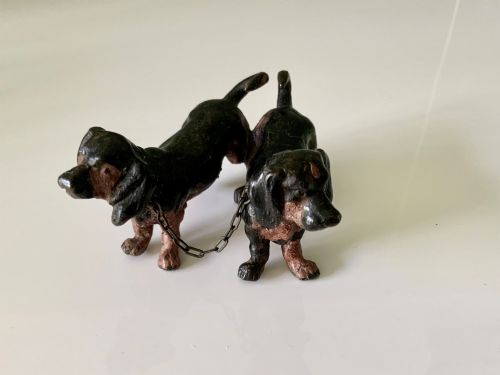
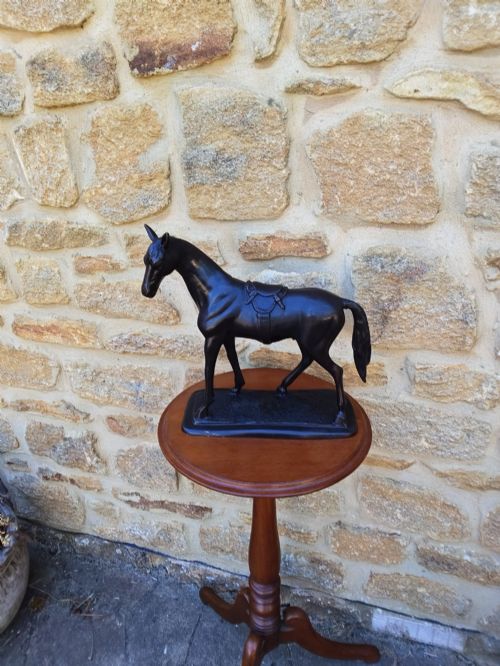
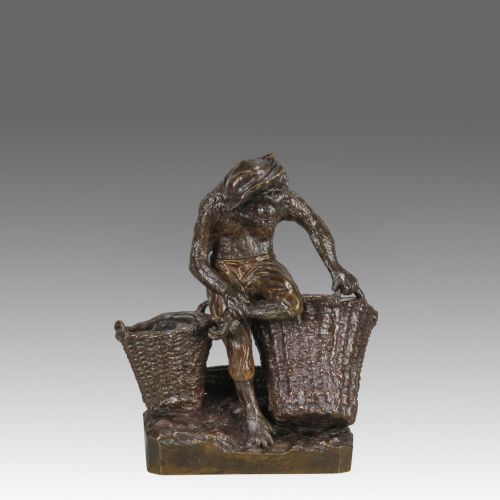
A collectible bronze statue encompasses a diverse group of sculptures, animal figurines, and table lighters originating from the nineteenth and early twentieth centuries. Buyers encounter distinct animalier studies alongside human figures and table pieces rooted in Victorian and Edwardian traditions.
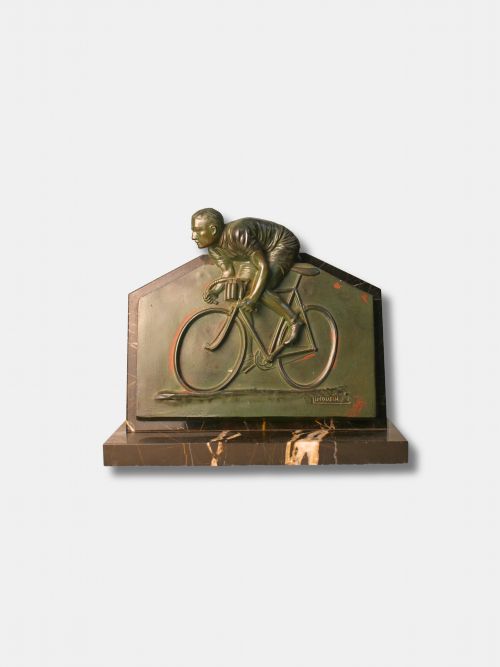
The selection ranges from French realism and Art Deco styling to Austrian cold-painted novelties and Asian religious iconography. These works appear mounted on marble, onyx, or wood plinths, reflecting the varied interior tastes of their original periods.
Distinctions in Quality
Surface finishing and patination play a decisive role, with skilled application preserving nuance and depth across the metal. The integrity of the mount, whether an integral bronze base or a fitted onyx plinth, completes the execution.
Turn the mouse over to check for the tiny stamped word Geschützt, confirming a century-old continental patent.
Christophe Fratin·P J Mêne·Jules Dalou·Julien Lorieux·Aristide Maillol·Edith Parsons·Franz Bergman·Antoine Bofill·Claire Colinet·A L Barye·Barbedienne
The Collectible Bronze Statue Glossary
- Animalier
- A nineteenth-century artistic focus on the realistic portrayal of animals, particularly dogs, horses, and wild beasts. Sculptors in this tradition studied anatomy closely to capture movement and tension.
- Patina
- The surface coloration and sheen developed naturally over time or applied chemically by the foundry. This layer protects the metal and defines the visual depth of the sculpture.
- Spelter
- A zinc-based alloy commonly utilised as a less expensive alternative to bronze during the nineteenth and twentieth centuries. It often received a bronze-like finish to mimic solid metal work.
- Cold-painted
- A technique where paint is applied to cold metal without the use of high-temperature firing, common in Austrian novelty bronzes. The method allows for vivid, detailed coloration of small animal figures.
- Geschützt
- A German term meaning protected or registered, frequently stamped on continental metalwork to indicate a patented design or trademark. It helps identify European production standards from the period.
Collectible Bronze Statue: Frequently Asked Questions
What is an animalier bronze?
An animalier bronze is a sculpture depicting animals in realistic or dynamic poses, a genre that gained immense popularity in nineteenth-century France. These works focus heavily on accurate anatomy and natural behaviour.
Artists observed subjects directly in menageries and rural settings to translate live movement into solid metal casts.
How do I clean a bronze statue?
Cleaning requires only a soft, dry cloth to remove dust from the surface without disturbing the original patina. Avoid chemical polishes or water, which can strip away historic colour and damage the metal.
Gentle maintenance preserves the protective layer that forms on the bronze over decades of handling.
What is cold-painted bronze?
Cold-painted bronze refers to pieces decorated with paint applied after the casting process rather than baked on at high temperatures. This technique was widely utilised by Austrian workshops for small, vibrant animal figures.
Collectors look for remaining traces of this delicate paint work as a sign of originality.
Why are some figures on stone bases?
Many figures feature heavy marble, onyx, or slate plinths to provide structural balance and a formal display platform. These bases were often chosen by the foundry or maker to complement the weight and colour of the metal.
Such plinths also protected the underside of the sculpture and elevated the piece for table display.