



Collectible Art Frame
A collectible art frame houses paper, paintings and miniatures securely, giving period works the distinct presentation they require.
Collectible Art Frame
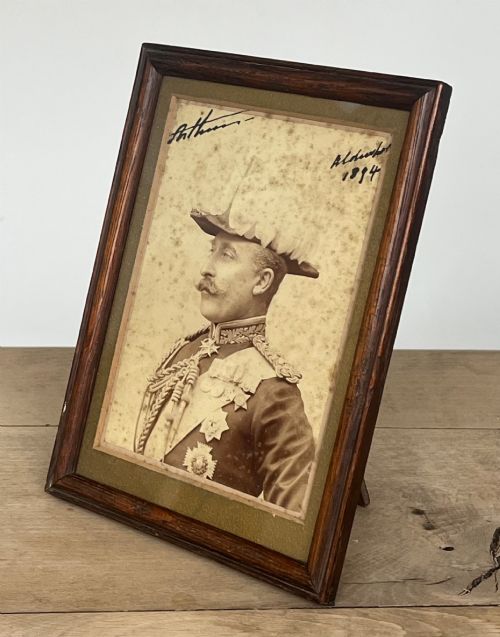
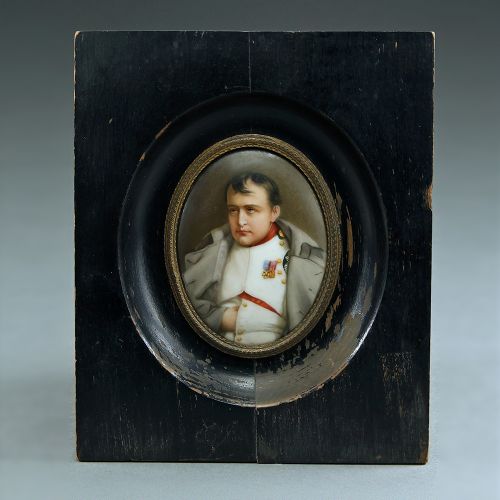
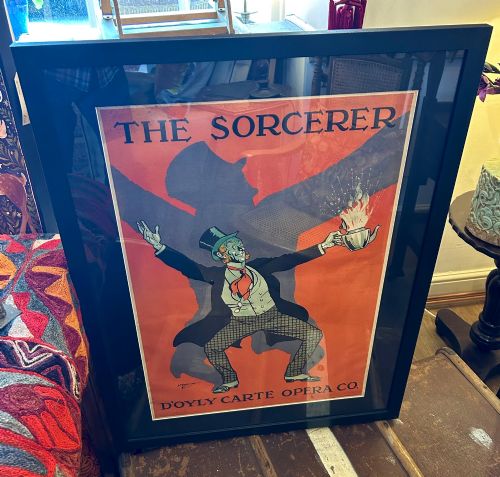
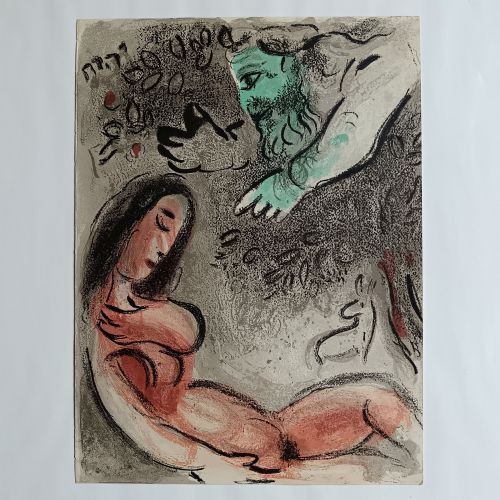
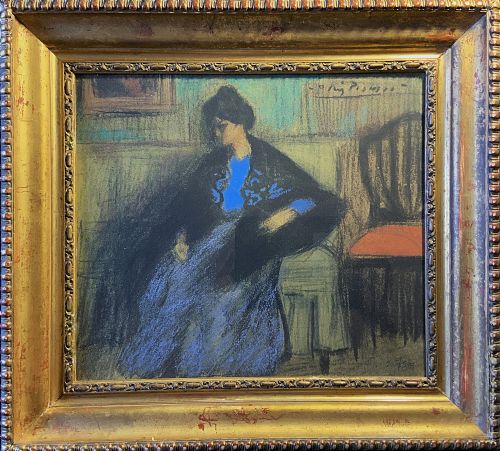
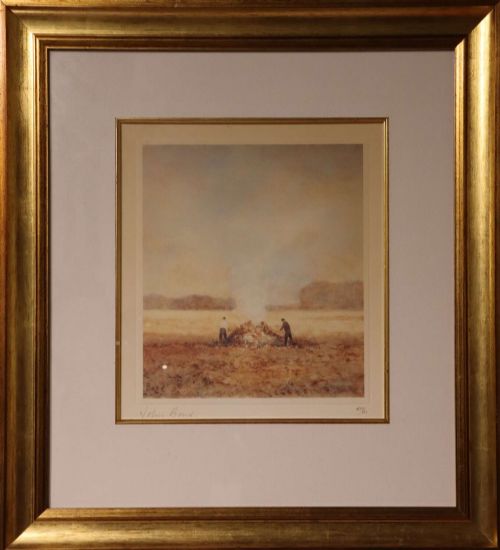
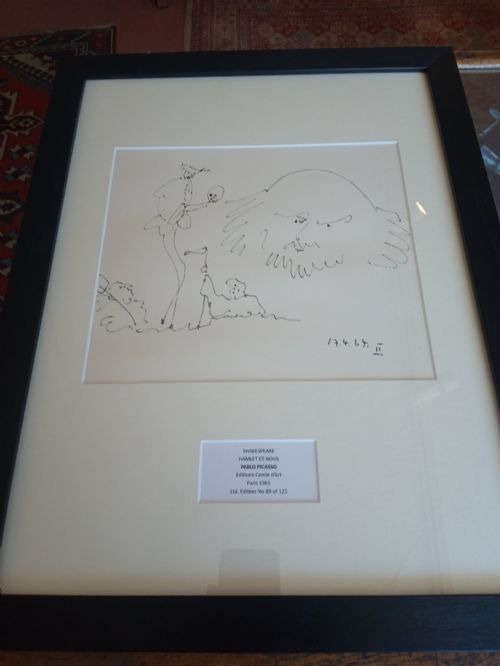
When you search for collectible art frame, you encounter a varied selection of works housed within protective surrounds, spanning from the eighteenth century to the modern era. These pieces range from portrait miniatures and watercolour landscapes to lithographs and theatrical posters.
The objects listed on this page cross multiple periods, including Georgian, Victorian, French Empire, Early 20th Century Illustration, Mid-Century Modern, Modernism, and contemporary British production. Forms include wall art, framed prints, paintings, and military memorabilia.
Mid-century lithographs and nineteenth-century watercolours appear frequently alongside portrait miniatures and trench art. Each item relies upon its physical presentation to frame and preserve the visual work within.
Materials and construction
The physical assemblies utilise wood, glass, paper, and brass, combining rigid structural surrounds with delicate protective glazing. Ebonised wood and metal elements provide contrast and durability for the works they enclose.
The graphic and painted contents involve watercolour, paint, and lithographic ink applied to paper surfaces. These techniques define works ranging from manuscript portraiture to mid-century printed editions.
Collectible Art Frame Retail Price Guide 2026
Typical asking prices for collectible art frame among the pieces listed under this phrase on Sellingantiques today, from the lower quarter to the upper quarter. They describe what is for sale here now, not the wider market.
Listings span from the 18th century to later than 1960, incorporating wood, glass, brass, and paper.
Assessing quality and execution
Quality rests upon the execution of the enclosed art and the harmony of its presentation. Original lithographs by named artists or finely painted nineteenth-century miniatures demonstrate superior draughtsmanship compared to standard reproductions.
The choice of materials also dictates standard, with ebonised wood, detailed brass work, and period glass elevating the physical object. The integrity of the paper and the clarity of the ink or paint determine the overall standard of the piece.
The Collectible Art Frame Glossary
- Lithograph
- A print produced by printing from a flat stone or metal plate treated to repel ink except where required for the image. This technique enabled artists to create multiple original impressions.
- Portrait miniature
- A small, highly detailed painting, typically executed on ivory, vellum, or paper during the eighteenth and nineteenth centuries. These portable works often captured likenesses of naval officers or family members.
- Pochoir
- A stencil-based printmaking technique used to apply vibrant colours by hand to lithographs or illustrations. It appears frequently in early twentieth-century portfolios.
- Trench art
- Objects made by soldiers, prisoners of war, or civilians from war materials and military debris. These items often incorporate brass and local metals.
- Ebonised wood
- Timber treated with a finish to imitate ebony, providing a deep black appearance. It frequently frames Victorian and nineteenth-century works.
Collectible Art Frame: Frequently Asked Questions
What periods do these pieces come from?
The inventory spans the eighteenth century, the Victorian era, the nineteenth century, and various twentieth-century decades including nineteen-ten, nineteen-twenty, nineteen-forty, and nineteen-sixty.
Later items extend past nineteen-sixty into contemporary British and modern production.
What materials are used in the frames?
Construction relies primarily on wood, ebonised wood, brass, and glass.
These materials house paper, paint, watercolour, and lithographic ink.
Are the prints original?
Many listings feature original lithographs, limited edition prints, and hand-applied pochoir colour from twentieth-century presses.
Watercolours and painted miniatures are single, hand-drawn works on paper.
How do I identify a miniature portrait?
Portrait miniatures are small-scale paintings, often originating from the eighteenth or nineteenth century, depicting individuals such as naval officers.
They rely on fine brushwork and paper or vellum supports.
What styles are represented here?
Styles range from Georgian and French Empire to Victorian, Early 20th Century Illustration, Mid-Century Modern, and Modernism.
Contemporary British works and trench art also appear.