



Collectible Art Deco Vase
A collectible art deco vase brings distinct modernist geometry and rich glaze work into a room.
Collectible Art Deco Vase
When you search for a collectible art deco vase, you are looking at moulded glass, earthenware, and ceramic vessels spanning the nineteen-twenties, thirties, and forties. These pieces capture the bold decorative shifts of the interwar decades through geometric motifs and naturalistic relief.
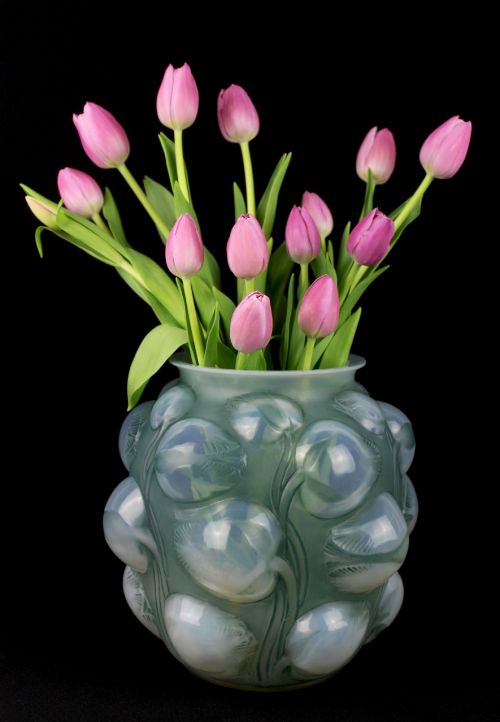
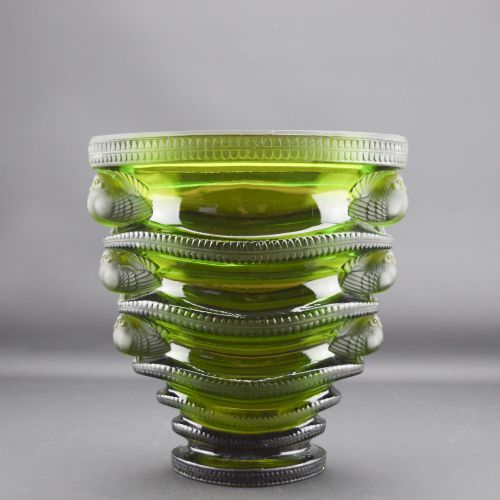
Moulded glass and opalescent glass examples dominate the selection, frequently bearing the distinct stamp of French glassmakers. Alongside these, earthenware and ceramic vessels from British and continental potteries offer rich colour palettes and textured glazes.
How they were made
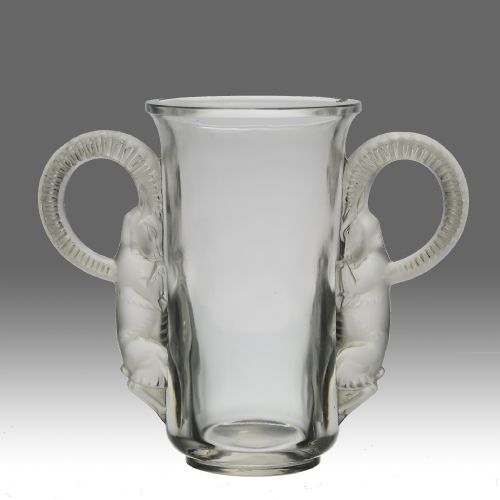
Glass vessels take shape through pressing and moulding techniques, often finished with frosted surfaces, enamel highlights, or gold leaf accents. Opalescent glass achieves its milky, light-catching quality through specific cooling and chemical additions during manufacture.
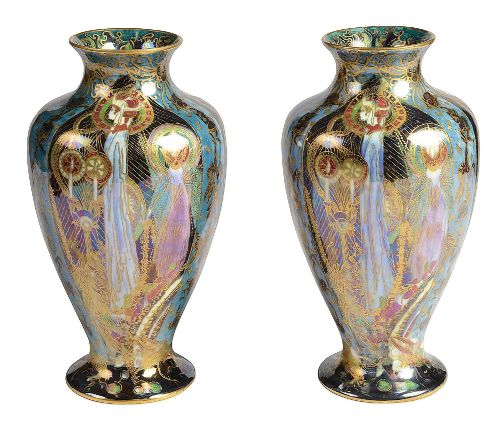
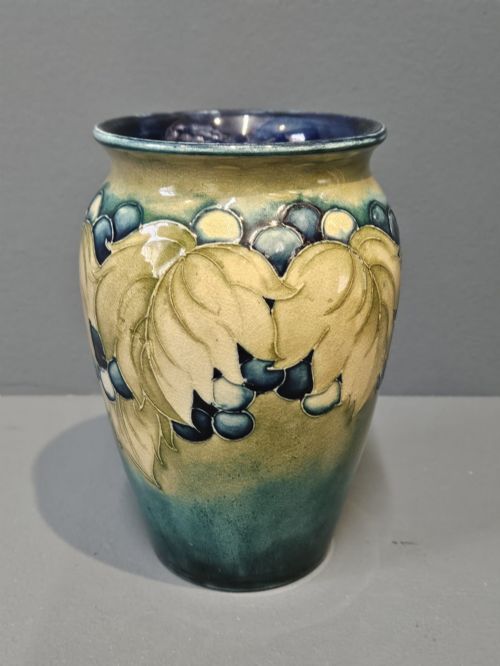
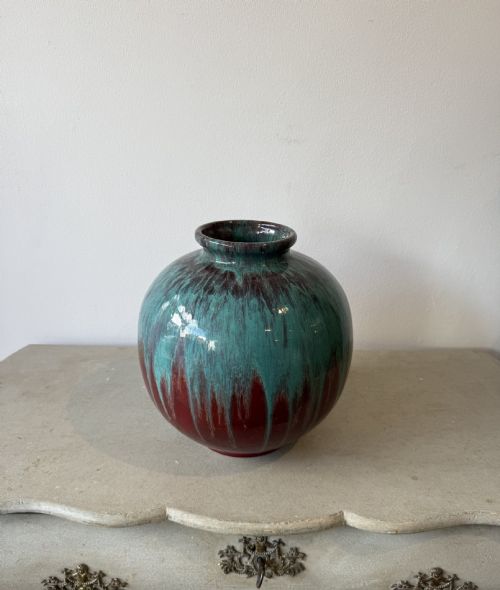
Ceramic and earthenware pieces rely on traditional throwing and casting methods, finished with specialist lustres, salt glazes, or celadon washes. Makers apply surface decoration through hand-painted enamel and intricate slip trailing before high-temperature kiln firing.
Collectible Art Deco Vase Retail Price Guide 2026
Typical asking prices for collectible art deco vase among the pieces listed under this phrase on Sellingantiques today, from the lower quarter to the upper quarter. They describe what is for sale here now, not the wider market.
What varies in quality
Quality rests upon the crispness of the mould impression and the depth of the glass opalescence or glaze finish. Pieces that retain sharp relief details and rich tonal variation in the glass or lustre display superior workshop execution.
The complexity of the surface design and the prestige of the designer separate standard production from exceptional examples. Works attributed to major makers show greater nuance in colour application and finishing touches like enamel or gold leaf.
Rene Lalique·Wedgwood·Moorcroft·Monart·Pilkingtons Royal Lancastrian·Roger Guerin
The Collectible Art Deco Vase Glossary
- Opalescent glass
- Glass that milky or pearlescent quality which catches light and shifts in tone across curved surfaces. This optical effect is achieved during the cooling process.
- Baluster vase
- A vase form characterised by a swollen body, narrow neck, and a wider base resembling an architectural column. It provides a stable and balanced shape for intricate surface decoration.
- Earthenware
- Porous pottery fired at lower temperatures than stoneware or porcelain, requiring an impermeable glaze to hold water. It forms the base body for many decorative ceramic vessels.
- Salt glaze
- A glassy, slightly textured finish created by throwing common salt into the hot kiln during the firing process. This reacts with the clay body to form a durable coating.
- Celadon
- A pale grey-green or green glaze imitating jade, prized for its subtle depth and soft lustre. It coats several ceramic pieces from this period.
Collectible Art Deco Vase: Frequently Asked Questions
What is a collectible art deco vase?
A collectible art deco vase is a decorative vessel produced during the interwar period, typically featuring stylised motifs or modernist forms. They are made from materials such as moulded glass, ceramic, and earthenware.
Collectors prize these vessels for their distinct period aesthetics and the renown of the designers who created them. They serve as focal points in interior displays.
How do I date an art deco vase?
Dating relies on identifying maker marks, signatures, style periods, and material characteristics recorded on the piece. Most examples on this page originate from the nineteen-twenties and thirties.
Comparing design patterns, such as leaf motifs or geometric reliefs, against known factory production years helps narrow down the manufacturing window.
How were opalescent glass vases made?
Makers produced opalescent glass vases by pouring molten material into moulds and allowing specific chemical additives to create milky, light-refracting qualities. Skilled artisans then applied frosted finishes or enamels by hand.
The interaction of light through the moulded glass relief creates the characteristic depth associated with these pieces.
Where should I display my vase?
Display these vessels in well-lit areas where natural light can pass through the opalescent or frosted glass surfaces. Solid ceramic and lustre pieces benefit from placement against neutral backgrounds that highlight their glazes.
Ensure they sit on stable, flat surfaces away from high-traffic household areas to protect the delicate glass or ceramic bodies.