
Collectible Desk
These collectible antique desk items span brass cannons, carriage clocks and animalier bronzes, each bringing small-scale craftsmanship to a working surface.
Collectible Desk
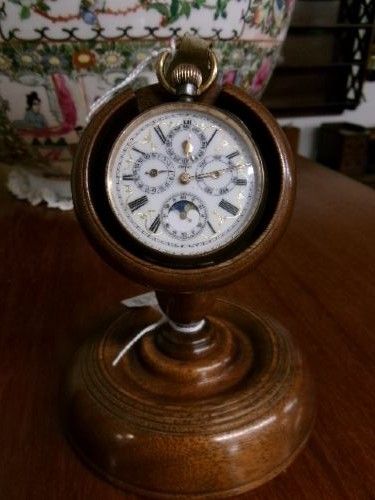
A collectible antique desk selection comprises small objects designed for writing surfaces, administrative tasks and ornamentation from the Victorian, Edwardian and mid-century periods. These items range from pocket watches and travel clocks to paperweights, pin cushions and table lighters in brass, bronze, wood and silver.
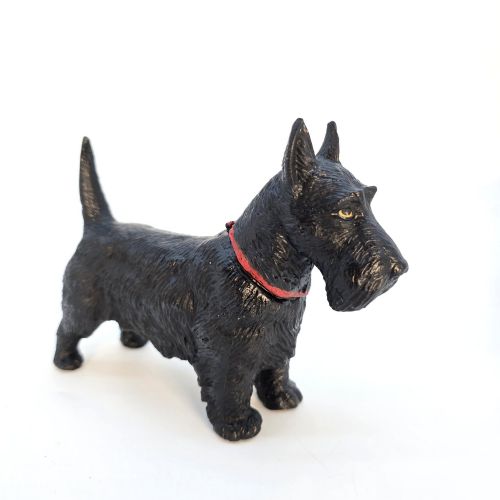
The assortment on this page leans toward novelty and utility pieces from the late nineteenth and early twentieth centuries, including cast metal animal figures, glass paperweights and desk ornaments. Buyers encounter items made for personal use or office display, shaped by the decorative tastes of the Edwardian era and the 1920s.
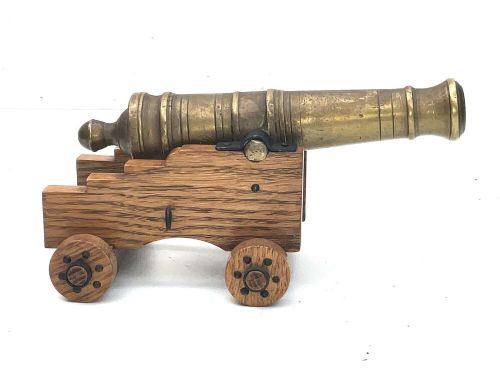
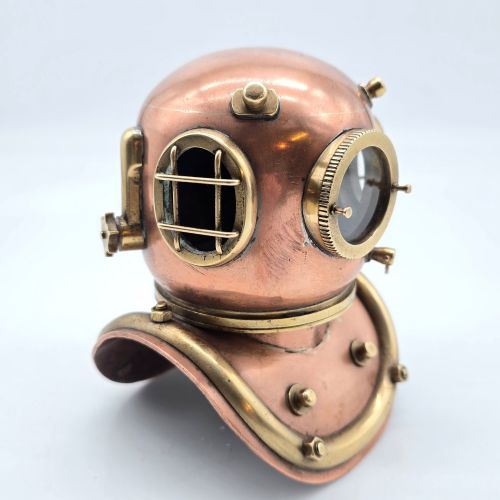
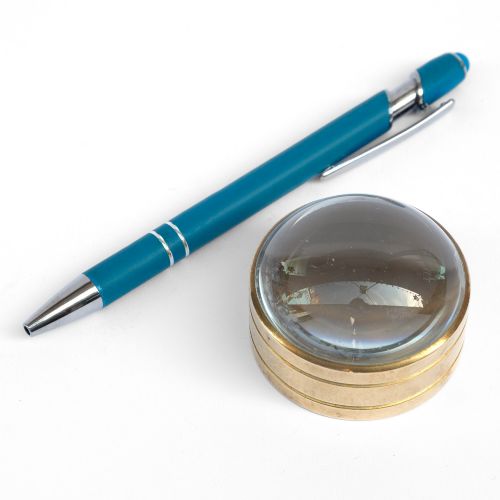
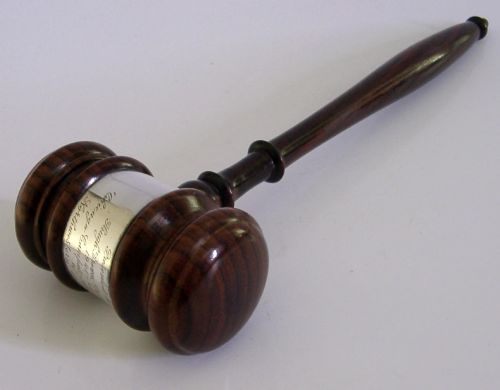
Specific forms include stamp wetters, dip pens, gavels, magnifying lenses and inkwells alongside scale models and miniature cannons. Each object reflects the material culture of domestic and professional spaces from the 1890s to the 1940s.
How they were made
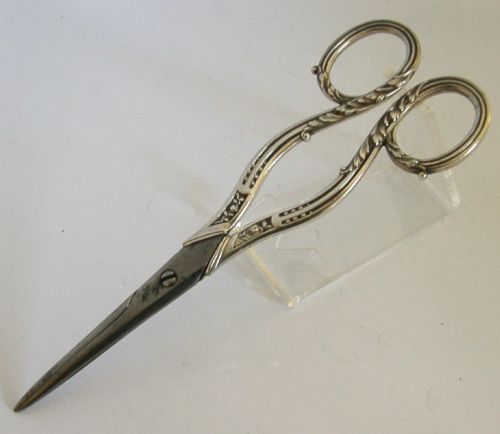
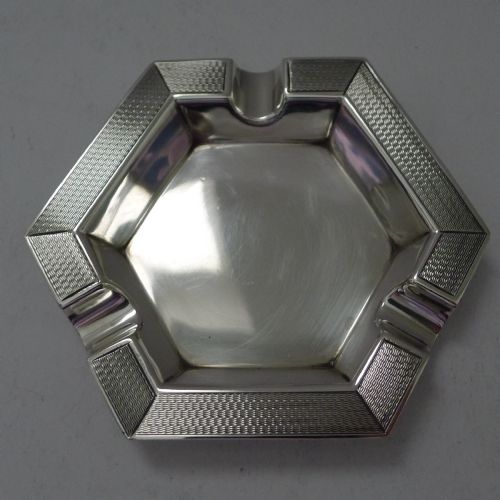
Metal items rely on casting, smithing and turning in brass, bronze, gun metal and sterling silver, often featuring hand-chased surface details or engraved inscriptions. Silver pieces frequently carry hallmarks from London assay offices, whilst bronze and spelter sculptures utilise traditional foundry casting mounted on stone or wood plinths.
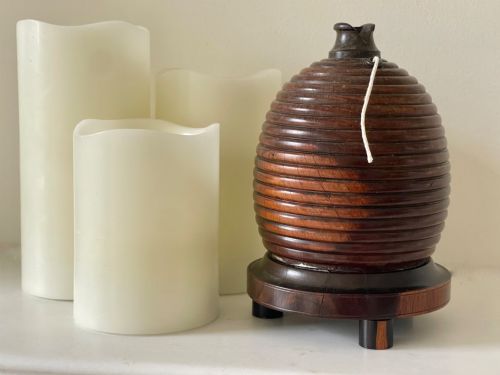
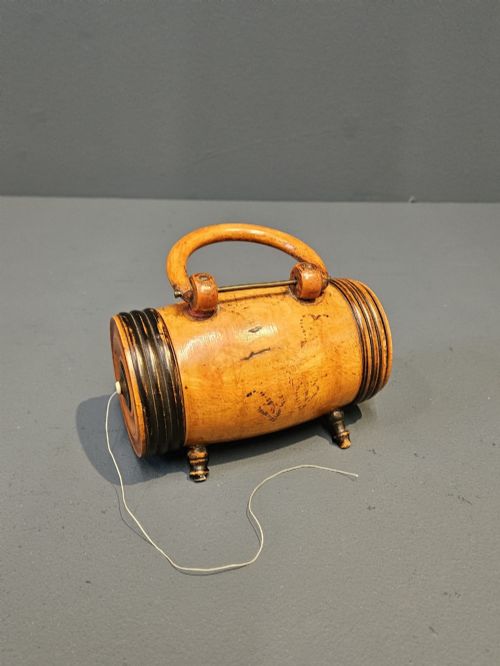
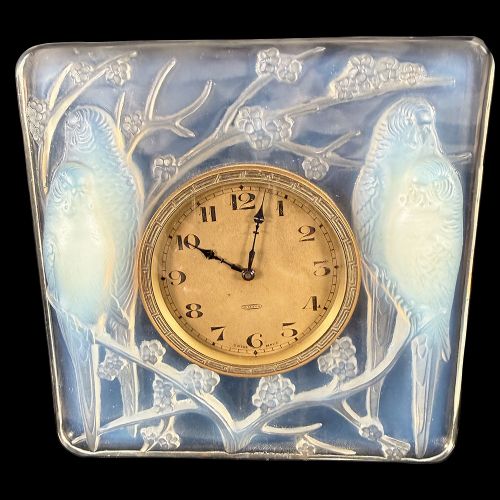
Glass objects demonstrate specialised techniques such as millefiori work, opalescent moulding and scrambled cane arrangements originating from Murano and French glassworks. Organic materials like fruitwood, walnut, tortoiseshell and leather are turned, carved or stitched to form barrelled string holders, boxes and desk ornaments.
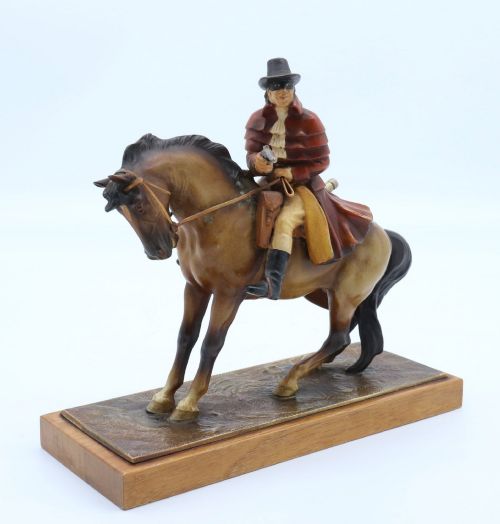
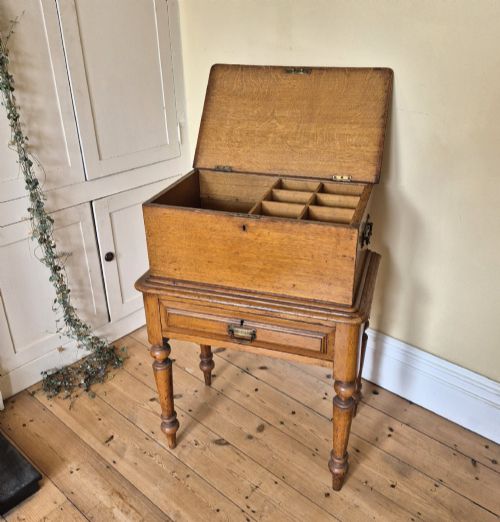
Desk accessories encompass a miniature Dick Turpin lighter, a silver frog pin cushion and a railway ticket dispensing box.
What varies in quality
Quality rests in the crispness of the casting and the precision of hand-painted or engraved finish work on metal and glass surfaces. Pieces carrying identifiable maker marks or silversmith punches demonstrate higher workshop standards than unmarked equivalents.
The integrity of secondary materials, such as original glass liners in inkwells, functioning clock escapements and undamaged enamel dials, dictates the standard of survival. Finer examples maintain untouched patination on bronze and silver without aggressive over-cleaning.
William Neale·Mappin and Webb·Rene Lalique·Christophe Fratin·Dora Heber·Liberty and Co.
The Collectible Desk Glossary
- Animalier
- A nineteenth-century artistic movement focusing on the realistic depiction of animals, particularly in bronze sculpture. Sculptors in this tradition captured creatures in dynamic or resting poses.
- Millefiori
- A glasswork technique producing multi-coloured patterns resembling flowers through the use of heated glass canes. Italian artisans utilised this method extensively in decorative paperweights.
- Carriage clock
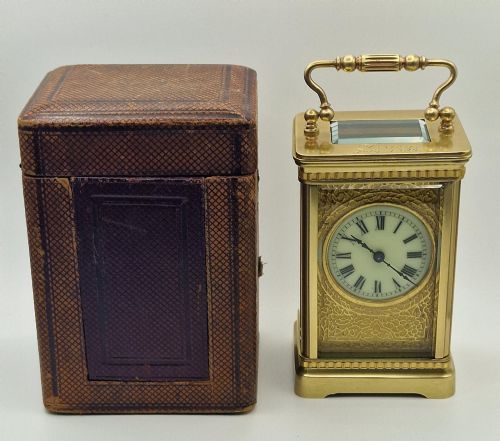
- A small, spring-driven timekeeper equipped with a carrying handle, originally designed for travel during the nineteenth century. These clocks frequently feature brass framing glazed on multiple sides to reveal the movement.
- Spelter
- An alloy of zinc and other metals cast into decorative figures and statuettes, often painted or electroplated to resemble bronze. It served as a more affordable material for ornamental desk objects.
- Pin cushion
- A small novelty object, frequently formed as an animal or vehicle in sterling silver, designed to hold sewing pins on a desk or dressing table. Edwardian silversmiths produced numerous variations of these items.
Collectible Desk: Frequently Asked Questions
How do I date a silver desk piece?
Examine the object for stamped hallmarks indicating the assay office, standard mark and date letter. British silver pieces from the Victorian and Edwardian eras carry these official stamps to verify the year of manufacture.
Compare the style of the engraving and the form of the maker mark against standard reference guides. Novelty items often align with specific stylistic trends from the 1890s through the 1920s.
Were carriage clocks meant to travel?
Original carriage clocks were built for portability during nineteenth-century journeys, housed in protective leather travel cases with folding handles. They used robust platform escapements to function while in motion.
Over time, these timekeepers transitioned into stationary desk ornaments. Many surviving examples retain their brass framing and glass panels intended for interior display rather than transit.
What is an animalier bronze?
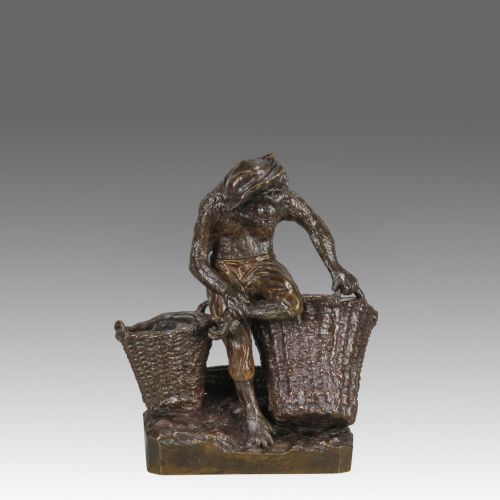
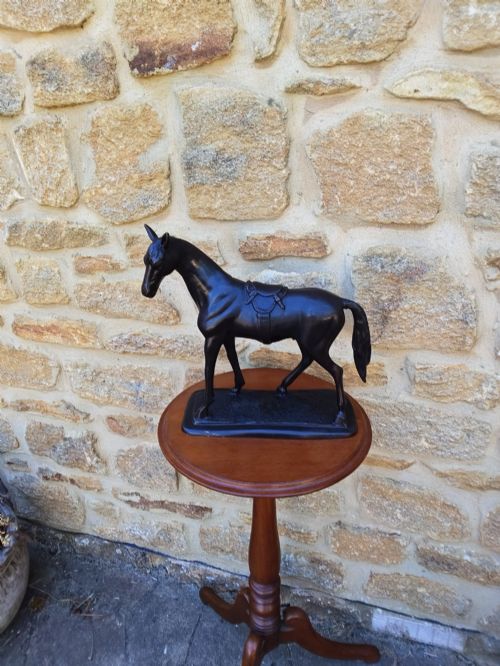
Animalier bronzes are sculptural studies focusing primarily on the naturalistic form and movement of animals. These pieces were cast in foundries across France and Britain during the nineteenth and early twentieth centuries.
Artists sculpted domestic pets, horses and wildlife with close attention to anatomical detail. Collectors display these bronzes on desks as standalone art objects.
How do I care for antique glass paperweights?
Keep glass paperweights out of direct sunlight to prevent thermal shock and fading of internal colours. Place them on stable surfaces away from desk edges where they might roll or sustain impacts.
Clean the exterior gently with a soft, dry cloth to remove dust. Avoid chemical cleaners that could interact with historical glass compositions or surface finishes.