



Collectible Antiquarian Books
Collectible antiquarian books offer a tangible link to past centuries through leather, vellum, and gold leaf bindings.
Collectible Antiquarian Books
Collectible antiquarian books encompass volumes spanning the seventeenth, eighteenth, and nineteenth centuries, including the Regency and Edwardian eras. Buyers searching for collectible antiquarian books encounter diverse formats ranging from single philosophical treatises to multi-volume sets of poetry, history, and drama.
How they were made
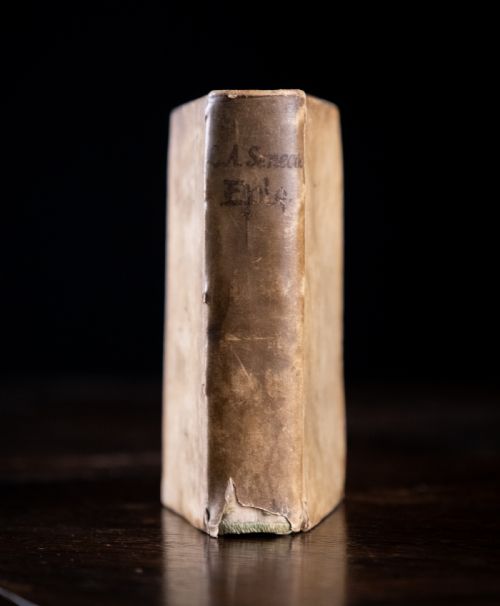
Binders utilised durable natural materials including calfskin leather, vellum, and cloth over sturdy paper boards. Text blocks were printed using traditional ink on handmade or early machine-made paper stocks.
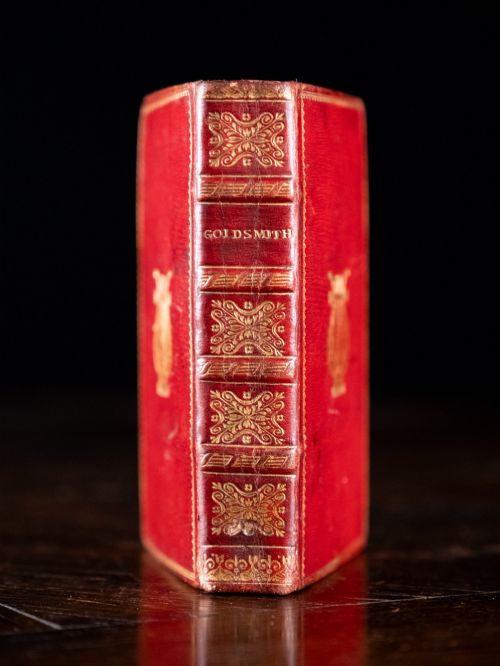
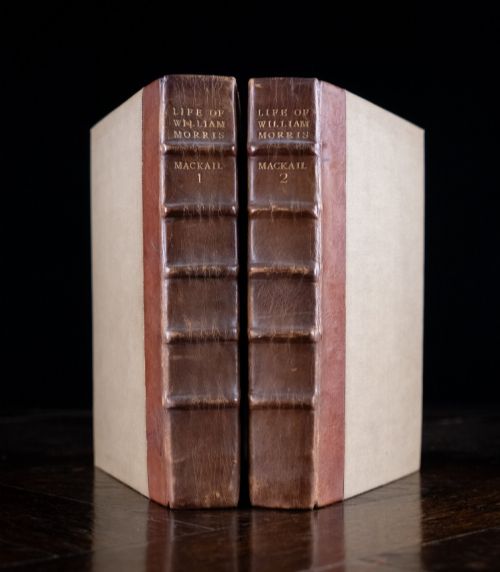
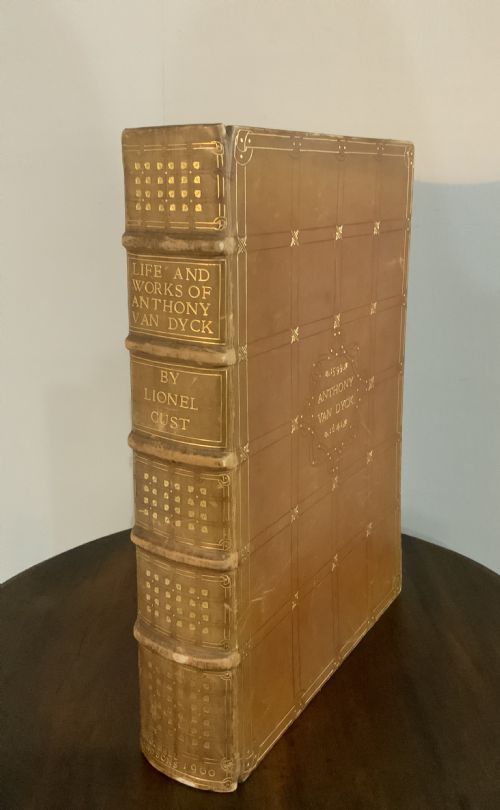
Spines and covers frequently received decorative treatment through gold leaf tooling and embossing. Multi-volume sets and special editions often shared uniform bindings to present a cohesive appearance on library shelves.
Collectible Antiquarian Books Retail Price Guide 2026
Typical asking prices for collectible antiquarian books among the pieces listed under this phrase on Sellingantiques today, from the lower quarter to the upper quarter. They describe what is for sale here now, not the wider market.
A tiny seventeenth-century philosophical treatise sits comfortably in the palm alongside multi-volume historical sets.
What varies in quality
Quality rests upon the preservation of the original binding and the crispness of the gold leaf tooling. Volumes retaining their contemporary full leather or vellum covers hold greater visual appeal than those with later rebindings.
Completeness dictates standing within the category, with multi-volume sets and first editions commanding particular attention. The clarity of early typography and the condition of the paper substrate further differentiate individual volumes.
The Collectible Antiquarian Books Glossary
- Vellum
- A fine parchment prepared from the skin of a calf or other animal, used historically for durable book bindings. It provides a smooth, creamy surface that ages distinctively over centuries.
- Calfskin
- A soft, supple leather derived from the skin of a younger bovine, frequently utilised for fine historical bindings. It accepts tooling and gold leaf exceptionally well.
- Miniature book
- A small volume typically produced under a specified height limit, designed for portability or novelty. These tiny works demonstrate remarkable precision in typesetting and binding.
- First edition
- The earliest published appearance of a text printed from the initial setting of type. Collectors prize these initial runs for their textual purity and historical priority.
Collectible Antiquarian Books: Frequently Asked Questions
How should I store leather bound books?
Store volumes upright on sturdy shelving away from direct sunlight and excessive humidity. Maintaining stable environmental conditions prevents the leather and vellum from drying out or cracking.
Allow adequate air circulation around the books rather than packing shelves too tightly. Handle them gently by the middle of the spine rather than pulling them down by the headcap.
What makes an antiquarian book rare?
Rarity often depends on survival rates, early publication dates, and limited print runs. Works from the seventeenth century or earlier naturally appear less frequently in original bindings.
Specific literary significance, author associations, or specialised content such as county histories further influence scarcity. Complete multi-volume sets surviving together add another layer of distinction.
How do I identify the publication date?
Examine the title page for printed publication years, printer credits, and edition notices. Many older volumes use Roman numerals or distinct typography to record the year of printing.
When explicit dates are absent on the title page, introductory letters, colophons, or historical references within the text provide clues. Binding styles contemporary to the era can also help narrow down the timeframe.
Can I read and handle these books?
Gentle handling is entirely appropriate for sturdy antiquarian volumes provided hands are clean and dry. Support the covers properly when opening the book to avoid straining the historic spine.
Avoid forcing tight bindings open flat on a table. Delicate vellum or fragile miniature books require extra care during examination.