





Collectable Silver Tool
A collectable silver tool is a small sewing implement or novelty pin cushion cast in sterling silver, prized by collectors for miniature craftsmanship.
Collectable Silver Tool
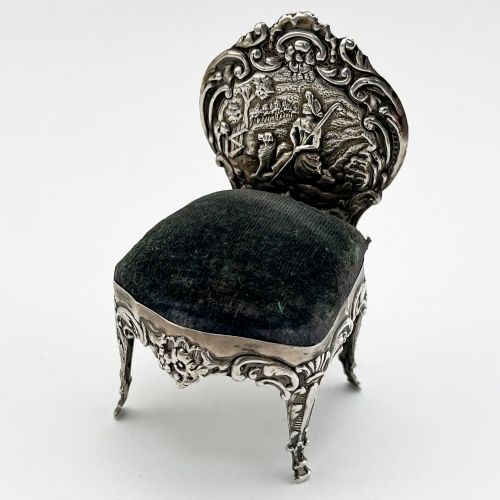
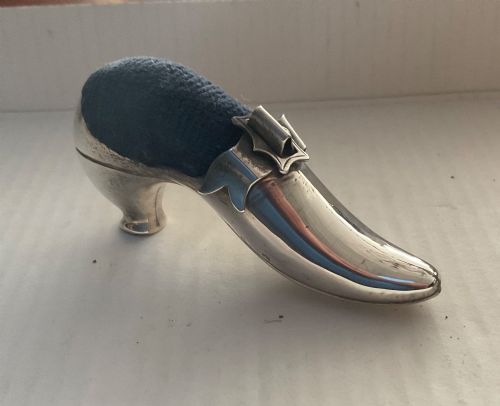
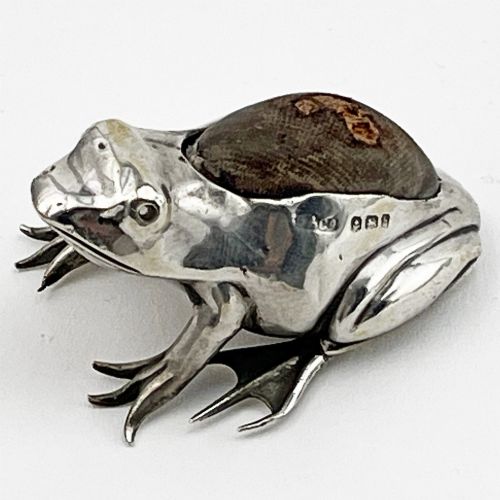
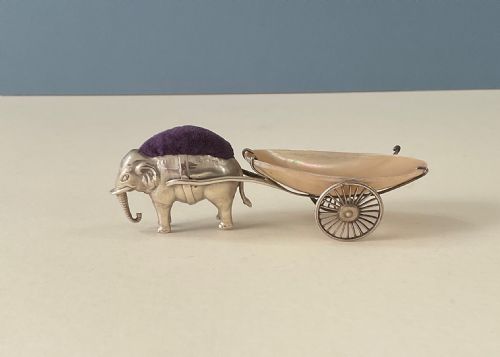
A collectable silver tool most often takes the form of a novelty pin cushion, rendered as animals, vehicles, and household objects from the Victorian and Edwardian eras. These pieces sit alongside sewing accessories such as thimbles, scissors, and cotton reel holders produced during the nineteenth and twentieth centuries.
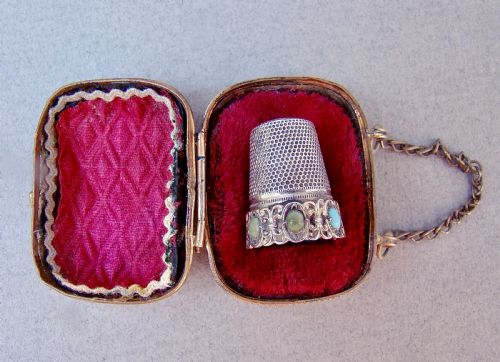
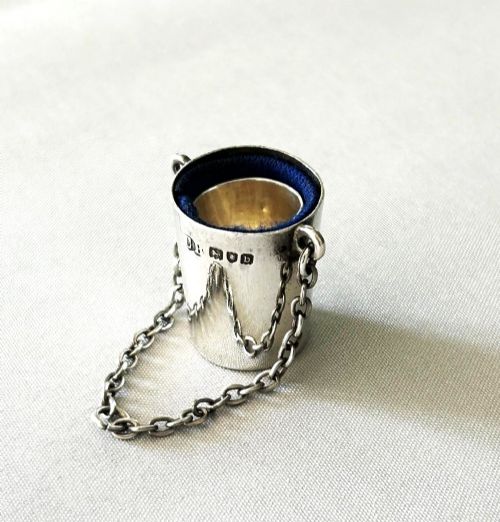
The Edwardian period dominates the selections, bringing whimsical animal forms like frogs, swans, and bears alongside shoes and roller skates. Victorian examples lean towards classical scenes, novelty buckets, and chatelaine cases.
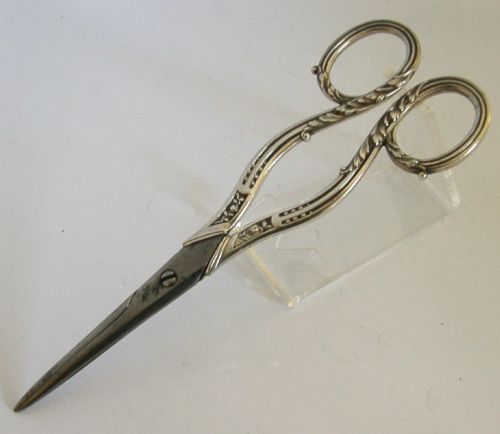
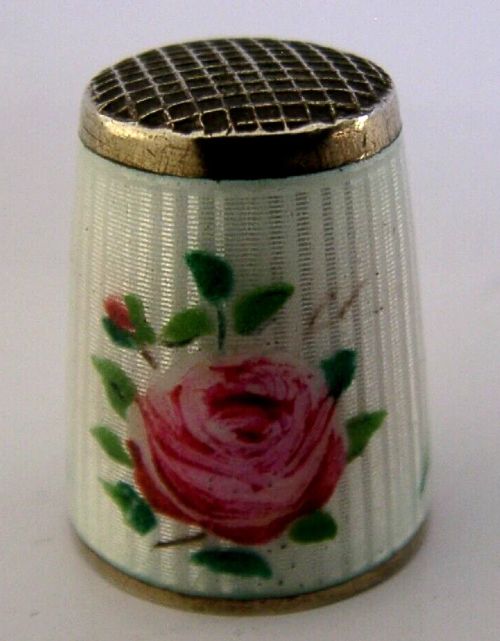
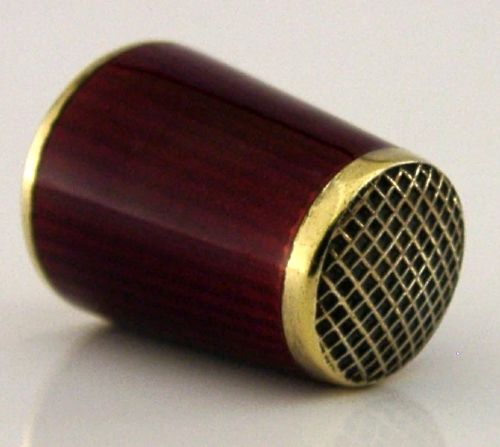
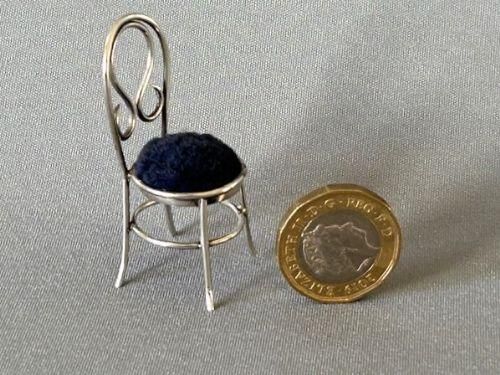
European workshops contribute specialised variations, including French chased scissors and Norwegian guilloche enamel thimbles from the mid-century period. Buyers encounter everything from miniature chairs to working sewing implements designed for domestic use.
How they were made
Silversmiths shaped these objects using sterling silver, frequently incorporating steel for the cutting edges of scissors and needles. Many pin cushions rely on internal stuffing covered in velvet or fabric to hold pins securely.
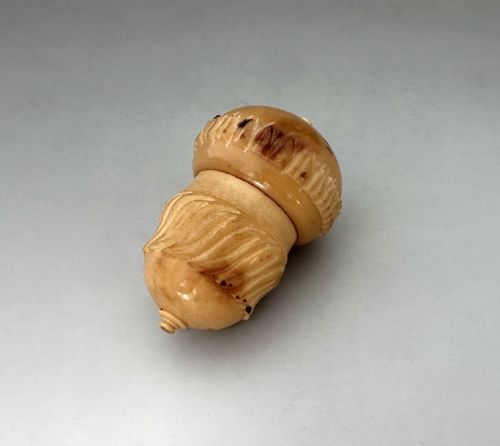
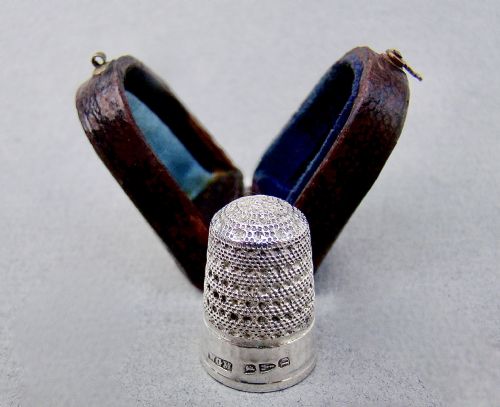
Makers applied decorative techniques such as vitreous enamel and gold vermeil to enrich smaller surfaces like thimbles and chatelaine cases. Natural elements including corozo nut and stones also appear alongside metal components in fitted cases.
Collectable Silver Tool Retail Price Guide 2026
Typical asking prices for collectable silver tool among the pieces listed under this phrase on Sellingantiques today, from the lower quarter to the upper quarter. They describe what is for sale here now, not the wider market.
Miniature silver roller skates and tiny frogs hold pins with surprising dignity.
What varies in quality
The clarity of the casting and stamping defines the distinction between standard production and superior novelty pieces. Finer animal and object pin cushions retain crisp anatomical details and legible hallmarks.
The application of coloured enamel and the survival of the original velvet or fabric upholstery influence the desirability of sewing accessories. Complete cased sets maintain higher integrity than individual loose elements.
Adie & Lovekin·David Andersen·Walter & George Myers
The Collectable Silver Tool Glossary
- Sterling silver
- A silver alloy containing 92.5 percent pure silver by mass and 7.5 percent other metals, usually copper. This standard composition appears across British and international pieces.
- Chatelaine
- A decorative belt hook or clasp worn from the waist to suspend small domestic tools. These fixtures held items like thimble cases and scissors.
- Guilloche enamel
- A decorative technique where a precise pattern is mechanically engraved into metal and covered with translucent enamel. Norwegian workshops utilised this method on sewing thimbles.
- Novelty silver
- Silver objects shaped to resemble humorous or everyday subjects rather than traditional forms. Pin cushions moulded as animals and vehicles fall into this classification.
- Gold vermeil
- Sterling silver plated with a heavy layer of gold. This treatment provides a rich golden finish on decorative sewing items.
Collectable Silver Tool: Frequently Asked Questions
What are silver pin cushions shaped like?
These pin cushions take diverse forms including animals, birds, shoes, vehicles, and furniture pieces such as salon chairs. Makers modelled them with remarkable detail to serve both decorative and practical purposes.
Animals range from swans and ducks to foxes and teddy bears, reflecting Edwardian tastes for whimsical novelty objects.
How were sewing tools used?
Victorian and Edwardian households utilised these items for daily needlework, embroidery, and dressmaking tasks. Scissors, thimbles, and cotton reel holders kept essential sewing gear organised and accessible.
Many smaller pieces attached to chatelaines so owners could carry their tools while moving around the home.
What materials are inside the cushions?
The interior stuffing of these cushions typically consists of traditional padding materials enclosed by velvet or fabric surfaces. This fabric holds the pins firmly in place without damaging delicate steel points.
Original textiles add considerable interest to surviving examples.