



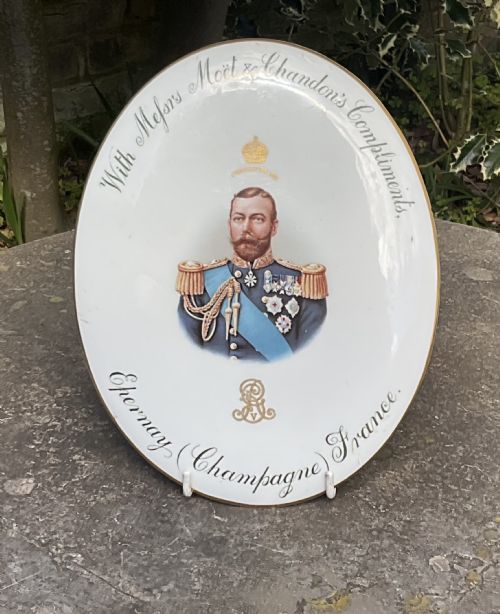


Collectable Sign
A collectable sign brings commercial history and vibrant industrial graphics directly into modern interiors, offering a tangible piece of past trade.
Collectable Sign
A collectable sign serves as a piece of decorative wall art that reflects past commercial enterprises, local newspapers, and beverage brands. These objects range from early twentieth-century metal pieces to mid-century advertising displays.
The most common format encountered in this category is the enamel sign, often featuring durable baked colours designed to withstand outdoor weathering. Examples include regional newspaper placards that once hung outside shops.
Dating primarily from the early decades of the twentieth century, these items span periods such as the nineteen-thirties and extend into later twentieth-century manufacturing. They function as striking graphic statements in domestic settings.
Materials and manufacture
Enamel provides the hard, glossy surface characteristic of durable advertising plaques, formed by fusing powdered glass to a metal base at high temperatures. This technique ensured longevity and resistance to fading.
Paper and cardboard were utilised for printed lithographic displays and framed notices, requiring careful preservation to maintain their original pigmentation and sharp typography over decades.
Collectable Sign Retail Price Guide 2026
Typical asking prices for collectable sign among the pieces listed under this phrase on Sellingantiques today, from the lower quarter to the upper quarter. They describe what is for sale here now, not the wider market.
Current listings feature enamel and paper materials spanning the early twentieth century, specifically highlighting regional advertising.
Assessing quality and appeal
The standard of a sign depends heavily on the clarity of its original lithography or enamel screen-printing, alongside the preservation of its vibrant pigment palette. Crisp lettering and minimal surface loss elevate the piece.
Structural integrity of the metal backing and the presence of original mounting holes or framing contribute significantly to desirability among collectors who value untouched historical condition.
The Collectable Sign Glossary
- Enamel
- A glassy substance fused to metal through high-heat firing. This process creates a hard, glossy, and weather-resistant surface ideal for outdoor advertising.
- Lithograph
- A print produced from a flat stone or metal plate using a chemical process that repels ink everywhere except where the design is drawn. It allows for sharp and colourful reproduction.
- Plaque
- A flat ornamental tablet made of metal, porcelain, or wood, designed to be fixed to a wall or surface for display or commemoration.
- Wall Art
- A broad term for visual works intended to be mounted on vertical surfaces, including framed prints, painted plates, and metal signs.
Collectable Sign: Frequently Asked Questions
Where were these signs originally displayed?
Most advertising signs were mounted on the exterior walls of shops, railway stations, and public houses to attract the attention of passers-by. Their robust construction was specifically engineered to endure rain, wind, and sunlight.
Smaller plaques and paper notices often found their way inside mercantile offices and newsagents, serving as point-of-sale reminders for daily newspapers and bottled beverages.
How should I hang an enamel sign?
When mounting a heavy metal sign, ensure the fixings take the weight securely without putting undue stress on the original mounting holes. Using appropriate wall plugs and stand-offs prevents the metal from scraping directly against plaster.
Keep pieces away from damp walls and direct, harsh sunlight to protect the gloss finish and prevent any underlying oxidation from spreading around the edges.
How do I date an advertising sign?
Dating relies heavily on the typography, graphic style, and the specific corporate branding or company name displayed on the face. Changes in registered trademarks and town names often provide tight chronological windows.
The manufacturing method, such as the thickness of the iron base or the composition of the glass enamel, also helps distinguish early twentieth-century production from later reproductions.
Can these signs be cleaned safely?
Light surface dust is best removed with a dry, soft microfibre cloth to avoid scratching the glossy vitreous enamel surface. Avoid using abrasive scouring pads or harsh chemical solvents that can dull the fired colours.
If grime is stubborn, a mild soap solution applied sparingly and dried immediately with a soft towel will lift grease without harming the historic finish.