

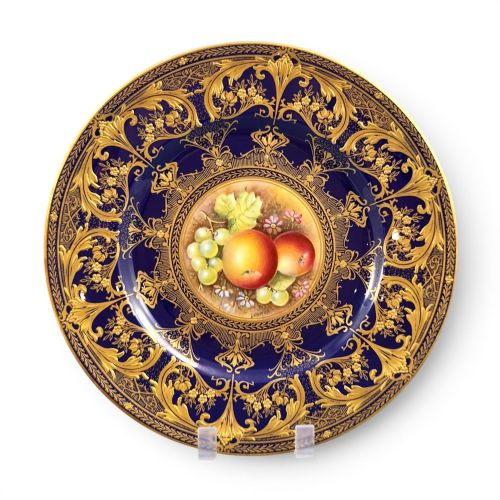


Collectable Royal Worcester China
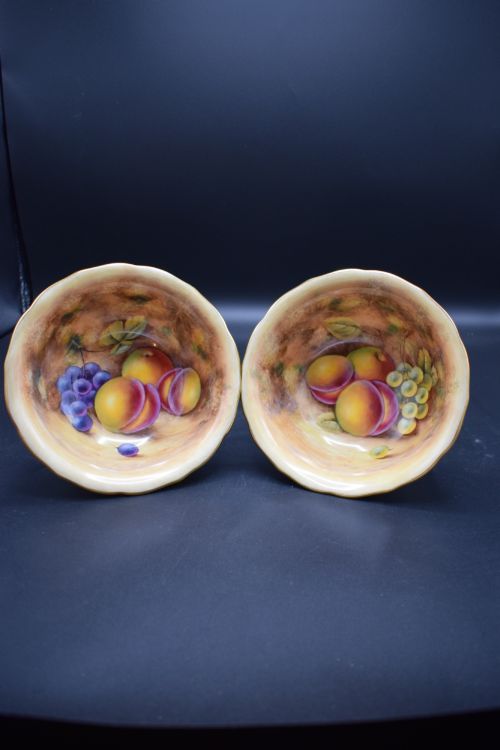
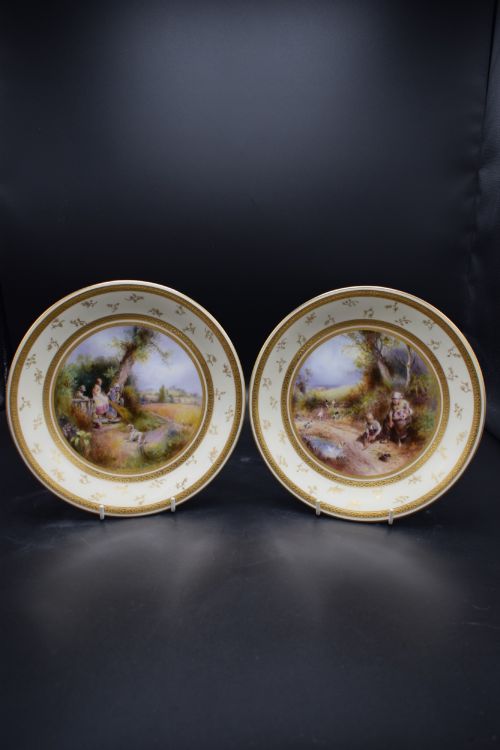
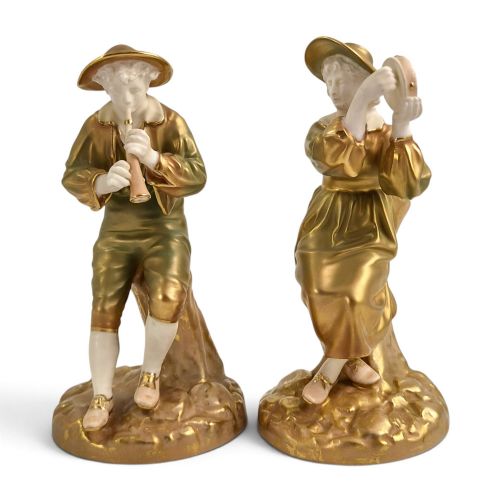
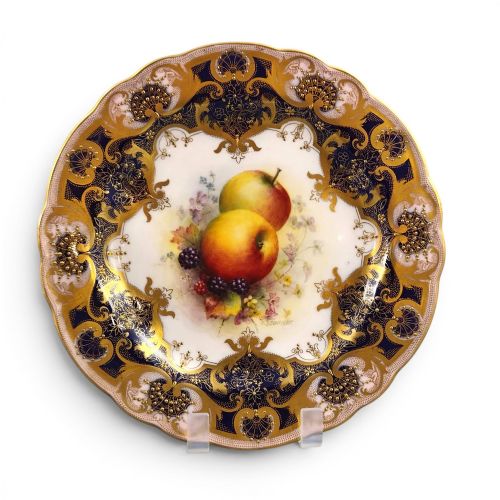
Collectable royal worcester china comprises porcelain figures, painted fruit plates and decorative vases representing traditional English craftsmanship from the Edwardian era to the mid-century.
Collectable Royal Worcester China
Collectable royal worcester china encompasses a diverse array of porcelain objects, from delicate cabinet plates to intricate figurines and ginger jars. When searching for collectable royal worcester china, buyers encounter items produced across the early twentieth century, including Edwardian pieces through to the nineteen seventies.
Materials and construction
The pieces rely on fine bone china and glazed porcelain as the primary base materials for both delicate figurines and sturdy cabinet plates. Artisans shaped these ceramics before applying detailed enamel paints and intricate gold leaf or gilt highlights.
Many items showcase specialised artistic techniques, combining hand-painted naturalistic scenes with precise gold gilding. The manufacturing process united traditional moulding methods with skilled artists signing their painted fruit and animal compositions directly onto the porcelain.
Collectable Royal Worcester China Retail Price Guide 2026
Typical asking prices for collectable royal worcester china among the pieces listed under this phrase on Sellingantiques today, from the lower quarter to the upper quarter. They describe what is for sale here now, not the wider market.
The listings span porcelain and fine bone china from the Edwardian period through the nineteen seventies, utilising gold leaf, enamel, and gilt.
Assessing quality in the collection
Quality in these ceramics rests primarily upon the skill of the artist and the complexity of the painted decoration. Pieces bearing the signature of recognised painters command attention through the meticulous detail of their fruit, floral or animal subjects.
The crispness of the moulding and the preservation of the gold leaf also distinguish finer pieces from standard production wares. Intricate figurines and hand-decorated vases demonstrate a higher degree of artisan involvement than simpler stamped plates.
Royal Worcester
The Collectable Royal Worcester China Glossary
- Cabinet plate
- A decorative ceramic plate intended for display in a cabinet rather than for dining use. These often feature elaborate painted scenes.
- Bone china
- A type of soft-paste porcelain containing bone ash, known for high strength, chip resistance, and a translucent white appearance.
- Gilt
- A thin layer of gold applied to the surface of the porcelain as a decorative accent or border. It enhances the visual elegance of the piece.
- Candle snuffer
- A small conical extinguisher attached to a figural handle, used historically to put out candle flames safely. Royal Worcester produced several character designs in this form.
- Pot pourri vase
- A perforated vessel designed to hold dried fragrant plant material for scenting a room. These often feature detailed painted decorations and removable lids.
Collectable Royal Worcester China: Frequently Asked Questions
What defines collectable royal worcester china?
Collectable royal worcester china encompasses decorative porcelain items produced by the historic English pottery firm from the Edwardian period onward. The range includes hand-painted cabinet plates, figurines, and vases.
These objects are valued for their artistic execution, fine materials, and the association with skilled painters who decorated the porcelain by hand.
How do I date these porcelain pieces?
Dating typically relies on specific factory date marks stamped onto the underside of the porcelain, which changed configuration across different decades. Stylistic clues such as Edwardian dress or mid-century forms also help narrow the production period.
Comparing the signature styles of named artists provides further chronological context for individual painted items.
Were painted fruit plates used daily?
Painted fruit plates and elaborate cabinet plates were created primarily for visual display rather than everyday dining use. Their delicate enamel work and gold leaf accents made them decorative centrepieces for cabinets and sideboards.
Owners typically showcased these items in formal drawing rooms to demonstrate refined taste.
How should I display figures and vases?
Figurines, candle snuffers and small vases benefit from stable placement away from direct sunlight to preserve the enamel colours and gilt highlights. Enclosed glass cabinets protect the delicate porcelain surfaces from dust and accidental knocks.
Lighting should be adjusted to highlight the hand-painted details without exposing the ceramic to excessive heat.