



Collectable Metal Box
These collectable metal box examples span sturdy biscuit tins and fitted legal containers, each offering a tangible piece of past utility.
Collectable Metal Box
When you search for a collectable metal box, you encounter a surprisingly varied group of containers spanning the nineteenth and twentieth centuries. These pieces range from decorative biscuit tins shaped like books and tractors to utilitarian legal wig tins and delicate ormolu chatelaine cases.
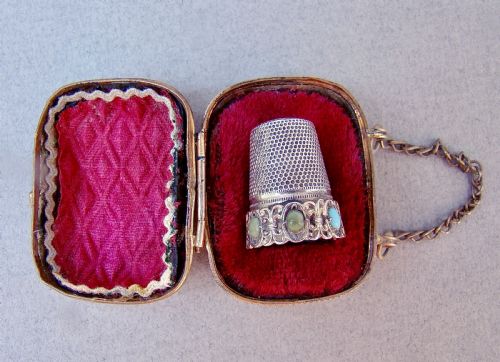
The versions you are most likely to meet on this page include Victorian and Edwardian biscuit tins alongside legal tins bearing the names of prominent makers like Ravenscroft Law. Alongside these are smaller vanity and sewing accessories, such as powder compacts and thimble cases, reflecting personal grooming habits of the past.
Many of these containers served everyday domestic or professional purposes before becoming decorative objects in their own right. Their survival depends on how robustly they were constructed, whether from plain tinplate or more elaborate silvered metal.
How they were made
Makers of these containers utilised sheet metal, primarily tinplate and brass, often stamping or pressing the material into specific forms to replicate objects like books, vehicles, or carved wooden boxes. Surface decoration frequently involved lithographed paint applied directly to the metal or hand-applied finishes to simulate other materials entirely.
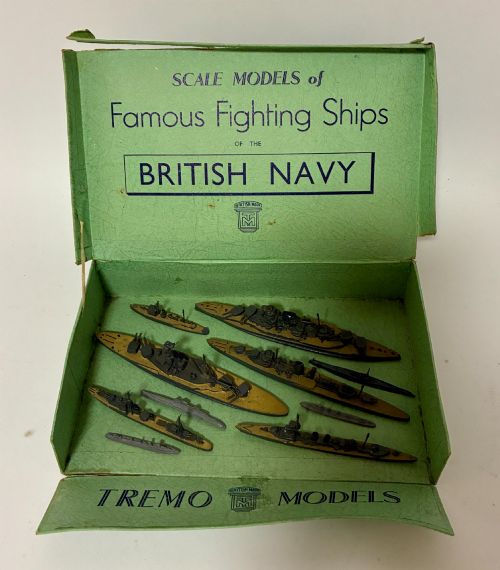
Fitted interiors required additional craftsmanship, incorporating card, paper, wood, and horsehair lining to protect delicate contents such as legal wigs, sewing tools, or scale models. These mixed-media elements demonstrate how functional containers combined robust exterior metalwork with protective interior cushioning.
Collectable Metal Box Retail Price Guide 2026
Typical asking prices for collectable metal box among the pieces listed under this phrase on Sellingantiques today, from the lower quarter to the upper quarter. They describe what is for sale here now, not the wider market.
Some biscuit tins were cleverly engineered to look like stacked books, letting you hide your snacks on a library shelf.
What varies in quality
The distinction between standard containers and superior examples lies in the crispness of the stamping and the preservation of the original surface paint or lithography. Pieces featuring detailed pictorial designs or complex dimensional shapes, such as novelty biscuit tins shaped like tractors or books, demonstrate greater manufacturing ambition.
Quality also rests in the integrity of associated elements, such as original fitted paper linings, internal card dividers, or accompanying accessories like chatelaine attachments. Containers retaining legible maker marks or historical association add a layer of documentary interest that elevates the piece beyond a simple storage vessel.
Eade & Son·Ravenscroft Law·Huntley & Palmers·William Crawfords & Son Ltd·Richard Hudnut
The Collectable Metal Box Glossary
- Tinplate
- Thin sheet steel coated with tin to prevent rusting. This material formed the structural basis for the majority of decorative and utilitarian boxes from the nineteenth and twentieth centuries.
- Lithography
- A planographic printing process used to apply colourful surface designs directly onto sheet metal. Biscuit tins frequently utilised this technique to achieve detailed pictorial finishes.
- Ormolu
- A gilt bronze finish applied to decorative metal mounts and chatelaine cases. It provides a bright golden appearance associated with nineteenth-century French luxury items.
- Chatelaine
- A decorative belt hook worn with suspended utility attachments such as keys, scissors, or small thimble cases. These ornamental chains allowed personal items to be carried easily.
- Powder compact
- A small lidded metal container designed to hold face powder and a mirror. Art Deco examples often featured stylised facial designs or enamelled decoration on the lid.
Collectable Metal Box: Frequently Asked Questions
What were metal wig tins used for?
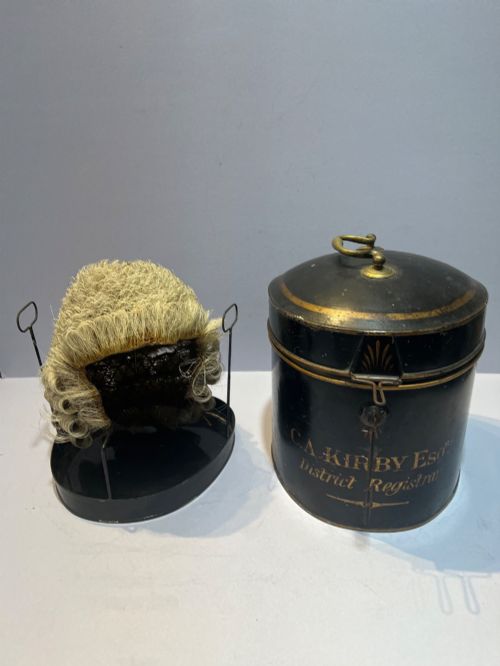
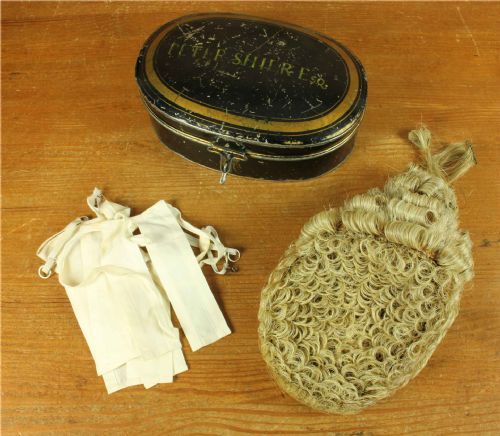
Legal wig tins provided rigid protection for horsehair barrister and judge wigs during transit between courtrooms. The cylindrical or rectangular metal boxes kept the delicate curls from being crushed.
Inside, paper labels and fitted compartments often recorded the original owner or the legal outfit supplying the wig. Their durable construction ensured these professional accessories survived decades of use.
How do I identify a novelty biscuit tin?
Novelty biscuit tins were produced by manufacturers to resemble everyday objects, books, or vehicles rather than standard cylindrical containers. Companies utilised lithographed metal to mimic materials like carved wood or textured leather bindings.
Examining the underside or lid often reveals the manufacturer's name, such as Huntley & Palmers or William Crawfords. These commercial containers were designed to be displayed in the home long after the biscuits were eaten.
What is a powder compact?
A powder compact is a small handheld metal case containing pressed powder, a sifter, and a small mirror for personal grooming. By the Art Deco period, manufacturers decorated the lids with stylised faces, geometric patterns, and coloured enamels.
These vanity items reflect changing social habits and commercial design trends of the early twentieth century. Their survival depends on the durability of the metal hinge and the clarity of the internal mirror.