

Collectable Metal Antiques
These collectable metal antiques span pocket watches, bronze sculptures and scale models cast in brass, bronze, iron and steel.
Collectable Metal Antiques
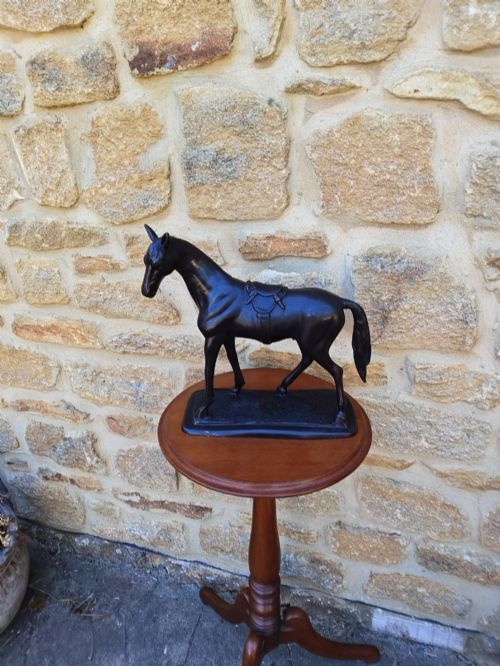
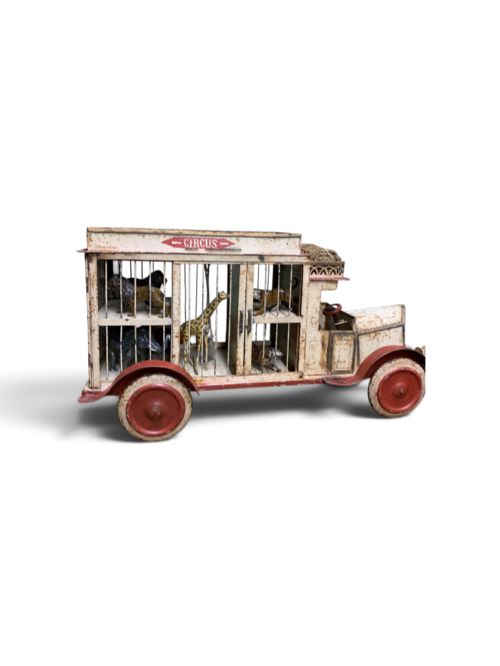
When you examine collectable metal antiques, you encounter a diverse array of objects created from brass, bronze, iron, and steel across the eighteenth, nineteenth, and twentieth centuries. These pieces encompass practical items like pocket watches and table lighters alongside decorative sculptures, scale models, and military arms.
The versions you meet most frequently on this page date from the Victorian, Edwardian, and Art Deco periods. They include utilitarian kitchenalia, carriage mascots, and precision instruments produced for daily use or display.
How they were made
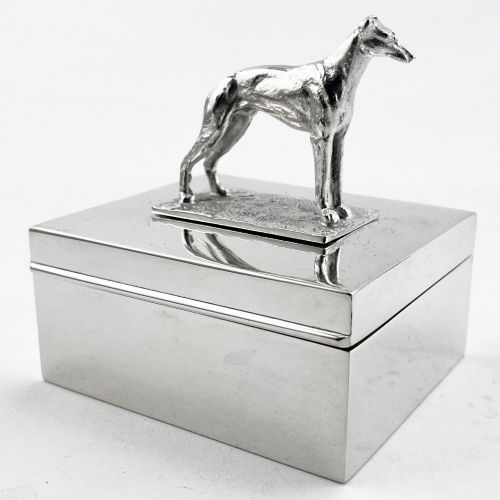
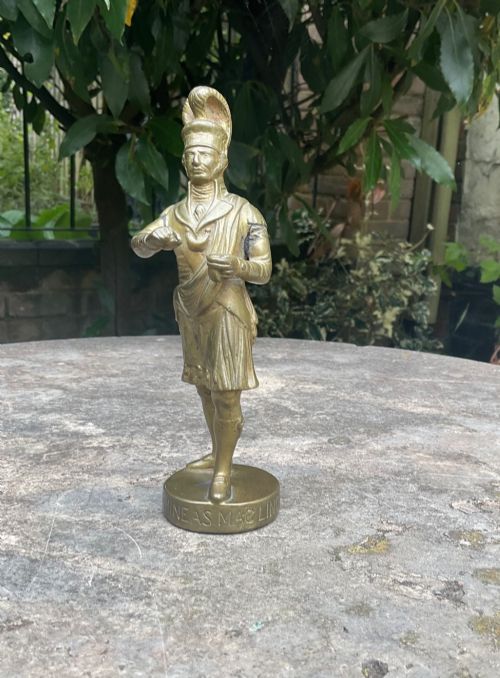
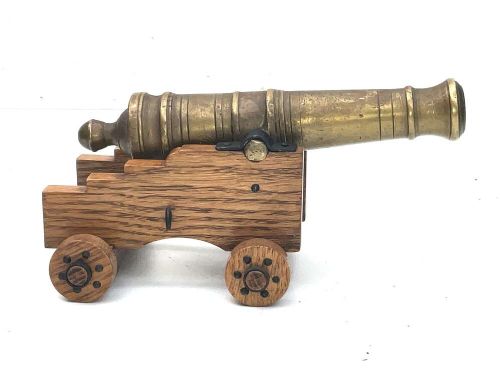
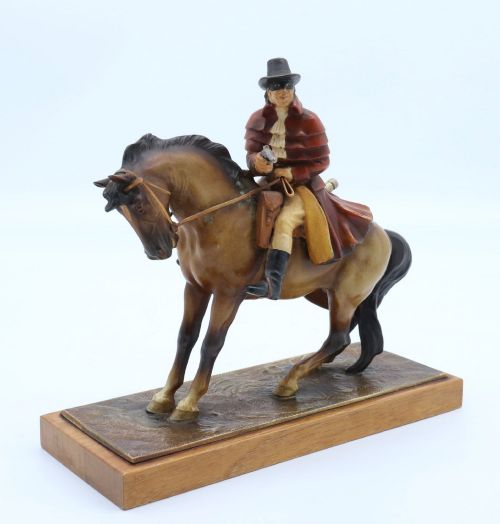
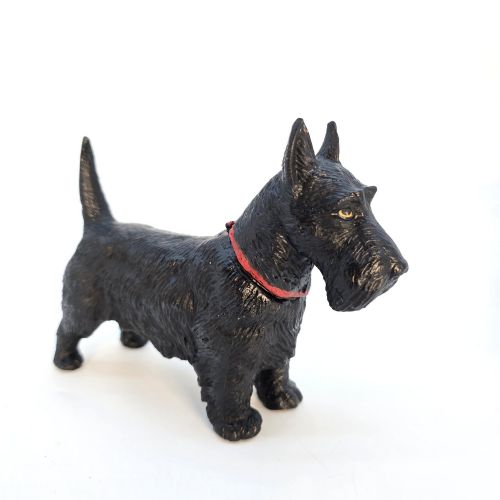
Makers utilised casting techniques in bronze, brass, and spelter to shape animal figures, car mascots, and small cannons with intricate detail. Metal is frequently combined with wood, glass, paint, or stone plinths to complete the form of these objects.
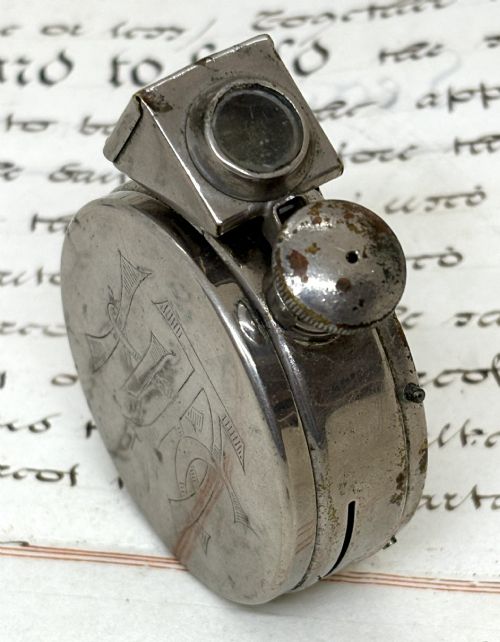
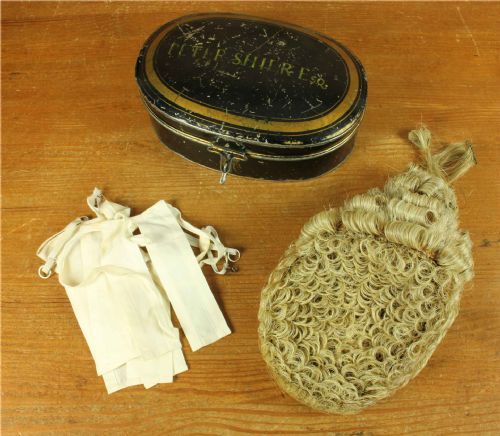
Stamping, engraving, and hand-painting were applied to pocket watches, helmets, and tins to achieve durable finishes and clear markings. Iron and steel components required forging and machining to create working mechanisms like clocks, cameras, and model locomotives.
Collectable Metal Antiques Retail Price Guide 2026
Typical asking prices for collectable metal antiques among the pieces listed under this phrase on Sellingantiques today, from the lower quarter to the upper quarter. They describe what is for sale here now, not the wider market.
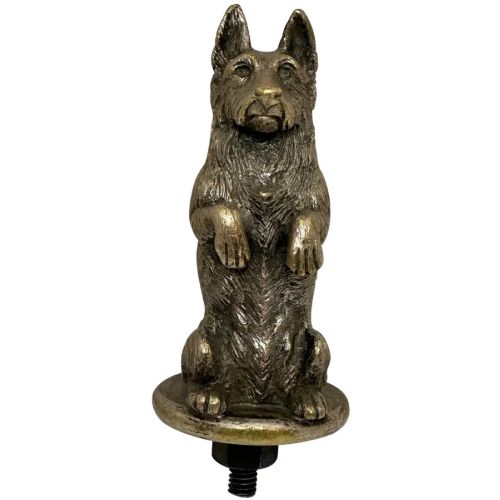
A tiny bronze dog begs silently on a car radiator, braving the twentieth-century highway wind.
What varies in quality
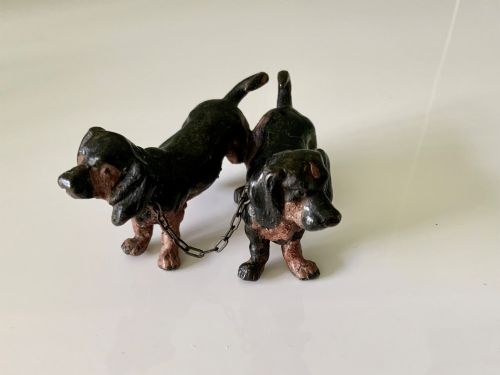
The distinction between standard pieces and exceptional examples rests upon the crispness of the casting and the retention of original surface finishes, such as cold-painted polychrome or patination. Fine details on bronze animalier sculptures or engraved watch movements reveal the precision of the maker's hand.
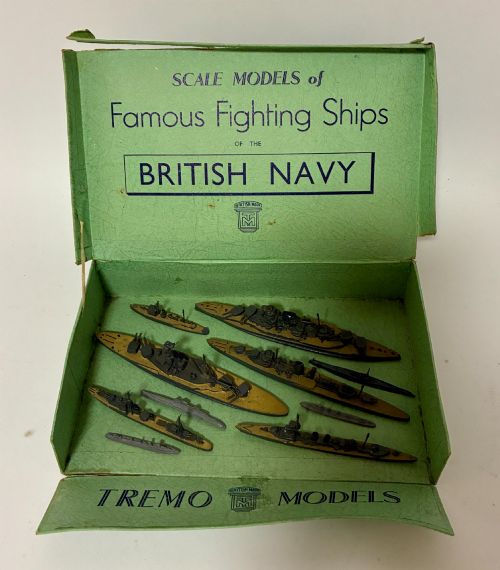
Integrity of components also dictates value, particularly in mechanical items like pocket watches, scale models, and navigational instruments where original parts remain intact. Pieces retaining signed markers or specialised maker attributions demonstrate superior workshop standards.
Asprey·Christophe Fratin·Charles Horner·Ravenscroft Law·Mabie Todd and Co·Huntley and Palmers·Kibri·Tremo
The Collectable Metal Antiques Glossary
- Animalier
- A nineteenth-century artistic style focusing on the realistic depiction of animals, particularly in bronze sculptures. These works capture creatures in natural movement or repose.
- Spelter
- An alloy of zinc and lead often cast into decorative figures and mounted on onyx plinths during the early twentieth century. It served as a less expensive alternative to bronze.
- Pickelhaube
- A spiked helmet of German military origin constructed from leather or steel with brass fittings. It saw widespread use during the nineteenth and early twentieth centuries.
- Kitchenalia
- Domestic utensils and equipment used in food preparation and storage, including copper jelly moulds and pewter tankards. These utilitarian items became sought-after decorative objects.
Collectable Metal Antiques: Frequently Asked Questions
How were pocket watches used?
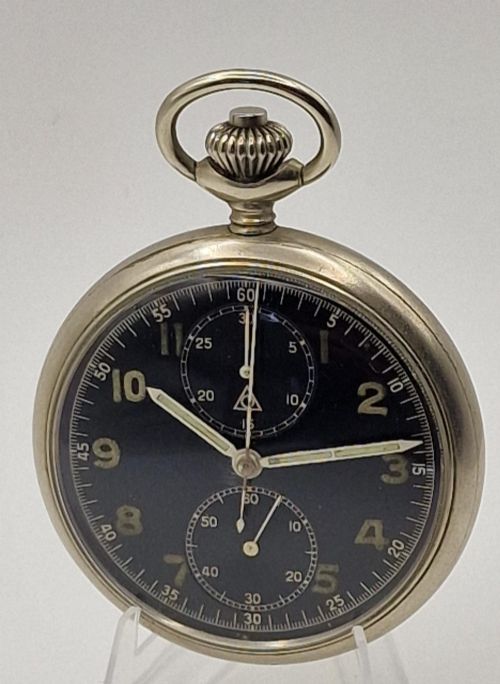
Pocket watches served as portable timekeepers for railway staff, military personnel, and civilians before wristwatches became common. They were often secured in pockets with chains.
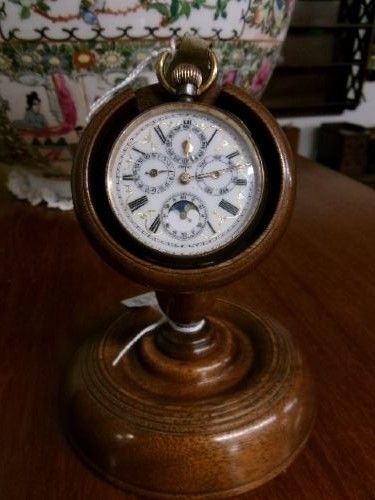
Specialised versions included chronographs and calendar moonface complications designed for precise timing and astronomical tracking.
How do I identify Art Deco metalwork?
Art Deco metalwork typically exhibits geometric lines, stylized animal forms, and streamlined shapes popular during the 1920s and 1930s. Materials like chrome, bronze, and painted cast metal were common.
Peculiar subjects such as specific characters or modern transport models often date from this era of manufacturing.
How should I clean bronze sculptures?
Bronze sculptures require minimal intervention to preserve their historic patination and surface colour. Dusting with a soft brush is usually sufficient.
Harsh chemical cleaners or abrasive cloths must be avoided because they strip away the aged surface layer and diminish the integrity of the metal.