





Collectable Glass Vessel
A collectable glass vessel brings substance to a room, holding centuries of artistry in a single moulded, etched or blown form.
Collectable Glass Vessel
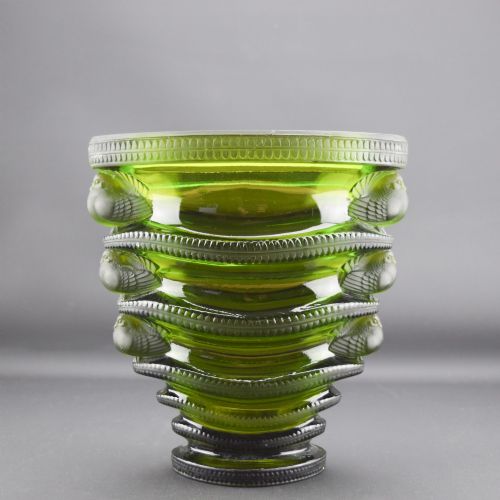
When you search for a collectable glass vessel, you encounter a varied group of decorative objects spanning the Victorian era through the Art Deco period. These pieces encompass everything from delicate floral vases to functional apothecary bottles and intricate nautical dioramas housed within glass.
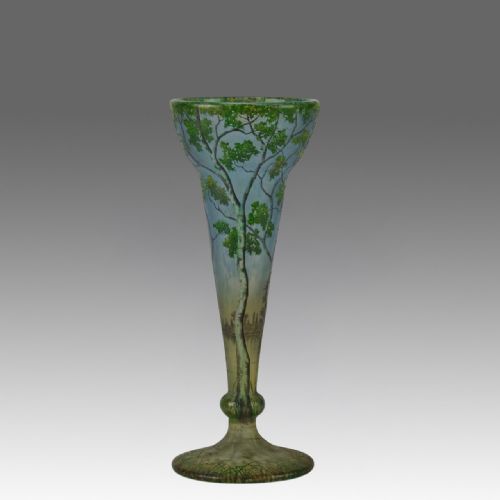
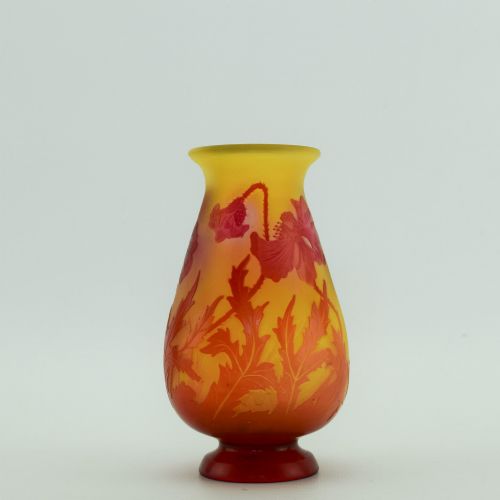
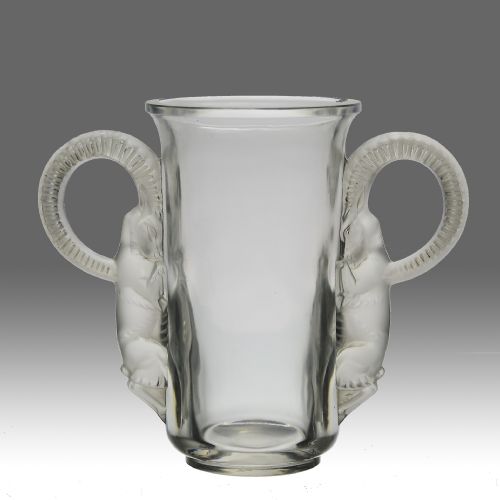
Vases dominate the selections available, particularly those originating from prominent twentieth-century French glassworks. You will frequently find pieces created in distinctive Art Nouveau and Art Deco styles, often shaped with botanical motifs or geometric lines.
Maritime folk art also appears within this category via model ships preserved inside glass bottles on wooden plinths. These contrasting forms demonstrate the wide scope of what makers achieved with glass during the nineteenth and twentieth centuries.
Materials and techniques
Makers utilised diverse techniques to texture and colour their glass, relying on cameo carving, acid-etching and moulding to achieve depth. Layered cameo glass allows different coloured strata to be carved away, revealing striking contrasts between backgrounds and raised designs.
Frosted and opalescent finishes diffuse light across surfaces, enhancing the sculptural quality of vases like those bearing floral or botanical patterns. Enamel work further decorates certain pieces, adding painted surface detail to the finished glass body.
Collectable Glass Vessel Retail Price Guide 2026
Typical asking prices for collectable glass vessel among the pieces listed under this phrase on Sellingantiques today, from the lower quarter to the upper quarter. They describe what is for sale here now, not the wider market.
The listings span from the mid nineteenth century through the Art Deco period, uniting frosted glass, cameo carving and nautical folk art.
Distinctions in quality
Execution of technique dictates the standing of any given piece, separating standard production runs from masterworks. Sharpness of detail in acid-etched or cameo-carved motifs reveals the precision applied by the maker.
The clarity of the material and the sophistication of the colour palette also influence a piece. Vases featuring complex opalescent effects or layered colours demand greater technical control from the glasshouse.
René Lalique·Daum Frères
The Collectable Glass Vessel Glossary
- Cameo Glass
- Glass vessels created by fusing two or more layers of different coloured glass together before carving away the exterior layers to form raised designs. This demanding technique produces high-contrast sculptural decoration.
- Opalescent Glass
- Glass that exhibits a milky, bluish lustre when viewed by reflected light while appearing yellowish-brown by transmitted light. It adds a shimmering depth to moulded decorative objects.
- Acid-Etched Glass
- A method where hydrofluoric acid eats into the surface of the glass to create frosted designs or textured patterns. It allows makers to achieve intricate matte details without manual engraving.
- Apothecary Bottles
- Glass containers historically used by chemists and pharmacists to store medicinal substances. These utilitarian items now appeal to collectors for their historical utility and simple, heavy glass forms.
Collectable Glass Vessel: Frequently Asked Questions
What is a collectable glass vessel?
A collectable glass vessel is a decorative or functional container produced during the nineteenth or twentieth centuries by notable makers or artistic movements.
These pieces range from art glass vases with cameo carving to apothecary glassware and nautical dioramas housed inside glass bottles.
Where were cameo glass vases made?
Cameo glass vases were produced primarily by renowned French glasshouses and workshops during the late nineteenth and early twentieth centuries.
Master craftsmen in regions such as Nancy developed complex layered techniques to carve detailed botanical scenes into the glass.
How should I display a glass vessel?
Display glass vessels in positions where natural light can pass through the material, highlighting opalescence, colour and etched details.
Ensure they rest on stable surfaces away from high-traffic areas to protect delicate rims and moulded or carved projections.