


Collectable Enamel Box
These small pieces of collectable enamel box history span Georgian patch boxes to Art Deco compacts, offering intricate colour and metalwork for everyday display.
Collectable Enamel Box
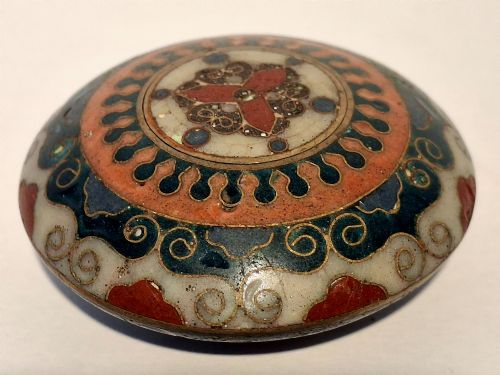
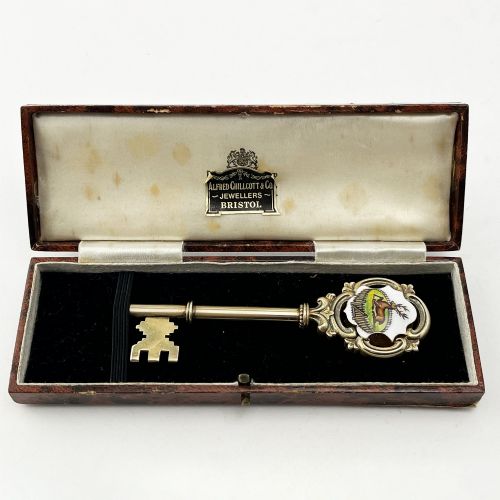
A collectable enamel box takes many forms across the centuries, appearing as Georgian patch boxes, Victorian vesta cases, and Edwardian carriage clocks. Buyers searching for a collectable enamel box will frequently encounter compact cases and pill boxes from the 1920s and 1930s.
The objects combine functional utility with miniature canvas artistry, serving pockets, dressing tables, and display cabinets alike. Pieces range from early 18th century Bilston items to sleek Art Deco designs influenced by mid-century modernism.
How they were made
Manufacturers fused powdered glass to metal substrates such as copper, brass, sterling silver, and chrome through high-temperature firing. This technique created smooth, durable surfaces capable of holding vibrant pigments.
Many items incorporate guilloche engraving beneath translucent enamel layers to produce geometric patterns. Interiors often feature linings of velvet or leatherette, while functional elements utilise silver-gilt and metal hinges.
One stubborn vesta case bears the portrait of a pug dog, watching over its contents with permanent canine suspicion.
What varies in quality
Quality rests upon the fineness of the metalwork, whether sterling silver or chrome, and the complexity of the enamel application. Superior examples demonstrate precise alignment in hinged lids and crisp detail in hand-painted motifs or engine-turned guilloche.
The reputation of the maker or the specific historical context, such as commemorative presentation pieces or named sporting subjects, elevates certain items above standard utilitarian boxes.
Richard Hudnut·Houbigant
The Collectable Enamel Box Glossary
- Guilloche
- A decorative engraving technique that etches precise, intricate geometric patterns into metal before applying translucent enamel. This method creates a shimmering depth beneath the coloured glass surface.
- Patch Box
- A small container popular in the 18th century, often made of enamel and copper, used to hold cosmetic beauty patches. These portable boxes typically include an internal mirror.
- Vesta Case
- A pocket-sized container designed to hold matches, frequently fashioned from silver and enamel. They often feature spring-loaded lids and striking surfaces on the base.
- Bonbonniere
- A small ornamental box intended for holding sweets or sugarplums. They appear in delicate enamel and metal formulations during the Georgian period.
- Silver-Gilt
- Silver that has been coated with a thin layer of gold. This treatment provides a rich interior finish to compacts and pill boxes.
Collectable Enamel Box: Frequently Asked Questions
What is a collectable enamel box used for?
These boxes served various practical purposes depending on their era, functioning as containers for powder, pills, vestas, or cosmetic patches.
Today, collectors appreciate them as decorative display items that showcase miniature craftsmanship and historical metalwork.
How do I date an enamel box?
Dating relies on stylistic clues, such as Georgian contours, Victorian motifs, or geometric Art Deco lines. Hallmarks on silver mounts also provide specific assay office and year markers.
Material choices like chrome or leatherette often point toward 20th-century production.
Are these boxes made of solid silver?
Many mountings utilise sterling silver, sometimes noted with hallmarks, whilst other pieces employ brass, copper, chrome, or silver-gilt.
The core structure typically remains enamel fused to a metal base rather than solid precious metal throughout.
How should I clean my enamel box?
Gentle dusting with a soft, dry cloth is usually sufficient to maintain the surface without risking abrasion to the enamel or metal. Avoid harsh chemical dips or ultrasonic cleaners, which can damage delicate linings like velvet or leatherette.
Keep pieces away from prolonged direct sunlight to protect the coloured pigments.
What is a Bilston enamel?
Bilston enamels originate from the English town renowned for producing luxury trinket boxes and patch boxes during the 18th century.
These pieces typically feature copper bases coated in white or coloured enamel with hand-painted pastoral or commemorative scenes.