



Collectable Display Cabinet
These pieces known as a collectable display cabinet and related display items bring fine porcelain and period woodwork together to showcase treasured possessions in any room.
Collectable Display Cabinet
A collectable display cabinet search draws together a fascinating mix of antique display furniture and hand-painted porcelain plates designed for exhibition. Visitors to this page will frequently encounter refined cabinet plates alongside specialised display tables and small tabletop cabinets from various eras.
The material evidence spans traditional English works alongside continental porcelain from Meissen and fine mahogany pieces. These items range from Georgian porcelain plates to Victorian tabletop display cabinets and Edwardian styles.
Materials and construction methods
Cabinet makers utilised fine timbers like mahogany to build bijouterie tables and tabletop display cabinets with clear glass panels. These structures required precise joinery to safely house delicate items while offering an unobstructed view.
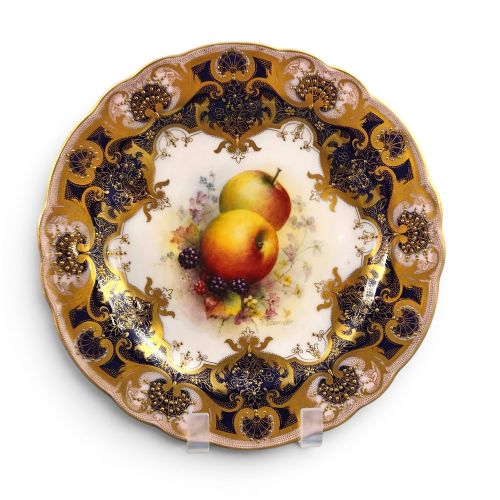
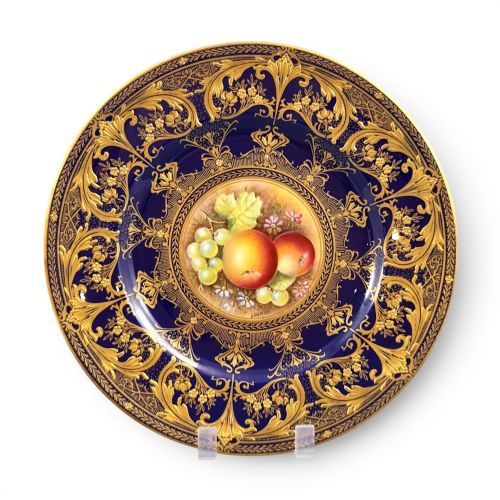
Ceramic pieces relied on bone china and porcelain as bases for intricate hand-painted decoration. Artisans applied gold leaf, gilt, and gold gilding to accentuate the borders of plates and highlight the central painted motifs.
Enamelwork and metal casting appear in smaller decorative objects like miniature silver sedan chairs. These varied techniques show the distinct material standards applied to woodwork and ceramics alike.
Collectable Display Cabinet Retail Price Guide 2026
Typical asking prices for collectable display cabinet among the pieces listed under this phrase on Sellingantiques today, from the lower quarter to the upper quarter. They describe what is for sale here now, not the wider market.
Among the delicate plates and tables, a Victorian gamblers pistol reminds us that collectors collect almost anything.
Factors determining the quality of these pieces
Quality in painted plates rests upon the skill of the artist and the fineness of the porcelain body. Hand-painted fruit or floral scenes executed by named painters carry greater artistic weight than standard factory decorations.
In display furniture, the choice of timber and the crispness of the carving define the tier of the piece. Well-proportioned mahogany frames and secure glazing reflect superior workshop standards.
The application of gold leaf and gilding indicates the original cost and intended status of the item. Thicker, more detailed gilding points to higher-grade manufacturing.
Royal Worcester·Derby Porcelain·Barr Flight and Barr·Coalport·Meissen·Minton·Royal Crown Derby
The Collectable Display Cabinet Glossary
- Cabinet plate
- A decorative ceramic plate intended for display in a cabinet or on a wall rather than for everyday dining use. These items often feature elaborate hand-painted scenes.
- Bijouterie table
- A glass-topped display table designed to show off small collectables, jewellery, and curiosities. They became popular in the nineteenth century for drawing room exhibitions.
- Bone china
- A type of porcelain composed of bone ash, feldspar, and kaolin, creating a strong and translucent body. English factories utilised this material extensively for fine tableware.
- Kakiemon
- An asymmetric style of Japanese enamel decoration featuring colourful floral and bird motifs, later copied by European factories like Meissen. This palette uses distinct iron red, yellow, and blue pigments.
- Gilt
- A thin layer of gold applied to the surface of porcelain, wood, or metal objects. It adds a decorative metallic border or highlight to the finished piece.
Collectable Display Cabinet: Frequently Asked Questions
What is a bijouterie table?
A bijouterie table is a specialised piece of display furniture featuring a glass top and glazed sides. It was designed for the drawing room to showcase small valuables and curiosities.
The woodwork typically employs mahogany, providing a stable frame to protect the items housed inside while keeping them visible from above.
How do I identify a cabinet plate?
Cabinet plates are identified by their elaborate hand-painted central motifs, often depicting fruit, flowers, or landscapes, combined with gilt or rope-edge borders. They were made purely for display.
Unlike standard dinner services, these plates show artist signatures and lack the typical wear associated with regular dining use.
Where were these porcelain plates made?
These porcelain pieces originate from prominent English manufactories such as Royal Worcester, Coalport, and Minton, alongside continental makers like Meissen. Each factory employed skilled ceramicists and painters.
Makers marked their wares on the underside with specific factory stamps that help date the production era.
How should I clean a display cabinet?
Cleaning a display cabinet requires gentle care for both the timber frame and the glass panels. Use a soft, dry cloth for mahogany surfaces to maintain the natural finish without harsh chemicals.
Glass panes should be cleaned with a mild glass cleaner applied to the cloth rather than sprayed directly onto the wood.