



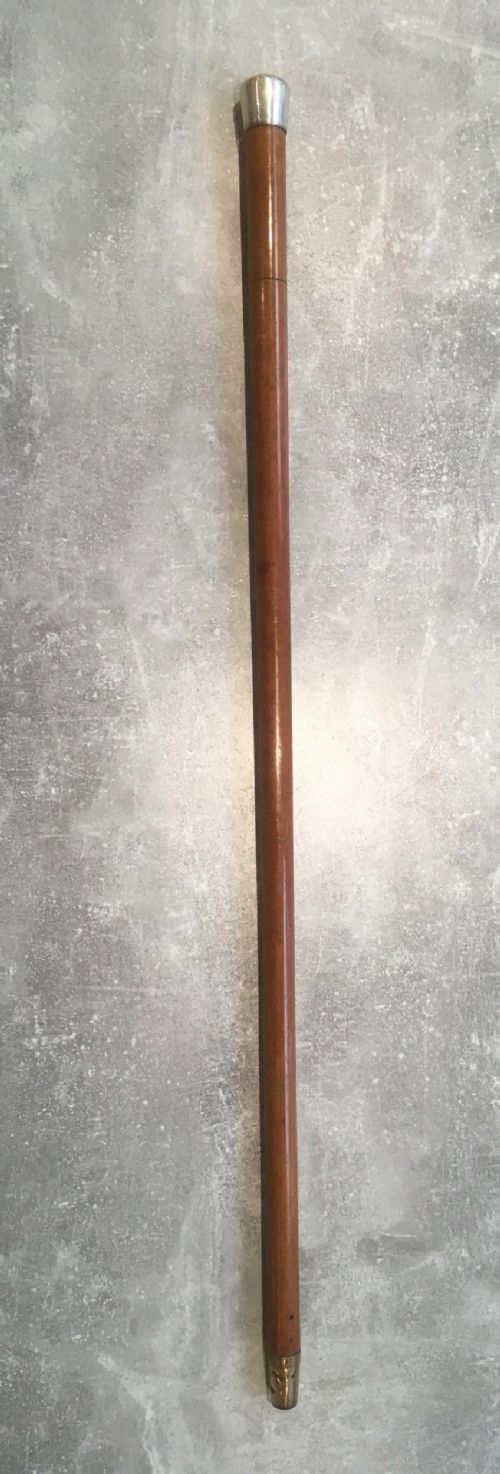


Collectable Cane Blade
A collectable cane blade is a discreetly housed weapon within a walking stick, combining everyday support with a hidden steel edge.
Collectable Cane Blade
When you search for a collectable cane blade, you are looking at nineteenth and early twentieth century walking sticks and sword sticks that conceal a steel blade within the shaft. The examples you are most likely to meet on this page hail from the Victorian and Edwardian periods, often constructed as gentleman's accessories.
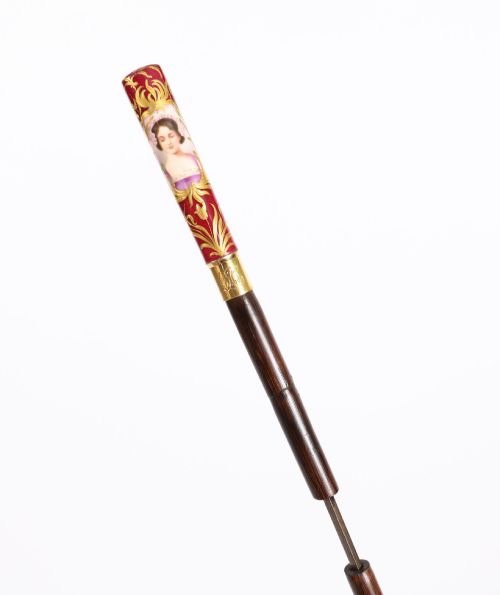
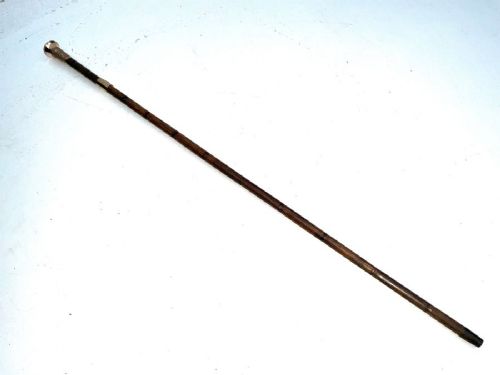
The forms range from simple wooden shafts to pieces featuring root ended handles, horned grips, or porcelain and silver mounts. Many examples show specific associations, including masonic and military officers' pieces, alongside French nineteenth-century items and standard malacca or hardwood varieties.
Origins span British and French workshops, utilising materials that mimic ordinary walking canes to maintain discretion. Buyers seek these items for their dual nature as functional walking aids and covert edged implements of the period.
How they were made
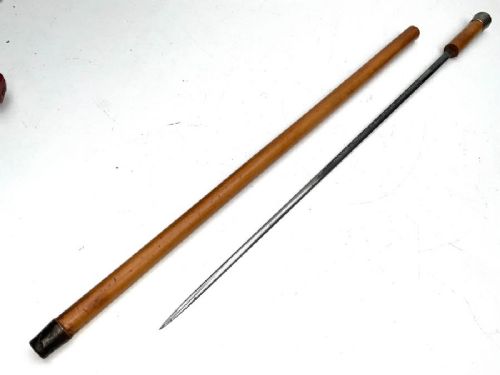
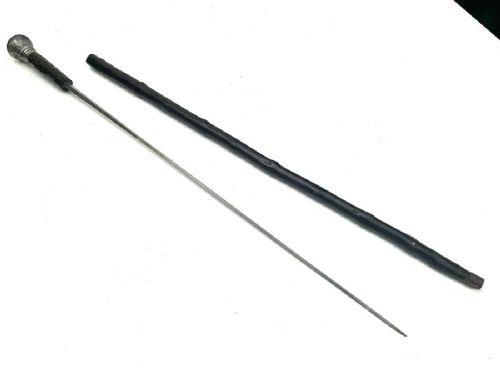
Makers constructed the outer shafts from woods such as holly and malacca, sometimes covering them in leather or fitting them with a root ended handle. These wooden or leather bodies housed the internal steel blades securely until released.
Handles and mounts incorporated brass, silver, and porcelain, including items like Sevres porcelain or silver horse head knops. The blades themselves were forged from steel, designed to fit snugly inside the wooden housing.
Collectable Cane Blade Retail Price Guide 2026
Typical asking prices for collectable cane blade among the pieces listed under this phrase on Sellingantiques today, from the lower quarter to the upper quarter. They describe what is for sale here now, not the wider market.
Listings feature steel blades housed in wood, leather, and brass, spanning the Victorian and Edwardian periods.
What varies in quality
The distinction between ordinary and superior pieces rests on the choice of materials for the handle and shaft, such as solid silver knops or fine porcelain rather than plain wood. Better examples exhibit careful integration where the handle meets the shaft, ensuring the hidden blade mechanism operates smoothly without compromising the exterior appearance.
Provenance and specific historical connections, such as masonic or military motifs, elevate certain pieces above standard gentleman's walking sticks. The integrity of the steel blade and the preservation of original leather or decorative elements further define the upper tier of these items.
The Collectable Cane Blade Glossary
- Cane blade
- A concealed steel weapon housed within the interior shaft of a walking stick. It was designed for personal defence during the nineteenth and early twentieth centuries.
- Malacca
- A type of rattan cane known for its strength and mottled brown appearance, frequently used for the shafts of gentleman's walking sticks. It provides a lightweight yet durable exterior.
- Knop
- A decorative knob or handle fitted to the top of a walking stick. These were often cast in brass or silver, sometimes taking the form of animal heads.
- Sword stick
- A walking cane containing a hidden blade secured by a latch or friction fit. The user draws the blade by pulling the handle away from the shaft.
Collectable Cane Blade: Frequently Asked Questions
What is a collectable cane blade?
A collectable cane blade is a historic walking stick that conceals a steel sword or dagger within its wooden or leather shaft. These items date primarily from the Victorian and Edwardian eras.
They served as gentleman's accessories, providing both physical support for walking and a concealed means of personal protection.
How do you open a sword stick?
Most sword sticks rely on a friction fit or a simple release mechanism in the collar to secure the handle to the scabbard shaft. Pulling the handle straight up releases the steel blade from its interior housing.
Care must be taken with antique mechanisms to avoid damaging the original collar and wooden throat of the cane.
Who carried cane blades?
Gentlemen, military officers, and members of fraternal organizations such as masonic lodges carried these items during the nineteenth and early twentieth centuries. They were common urban accessories for personal safety at a time when street lighting was poor.
Civilian users selected them to match their daily attire, choosing handles ranging from plain horn to decorated silver.
How do you date a cane blade?
Dating relies on stylistic clues, materials, and any hallmarked silver mounts present on the handle or collar. Victorian and Edwardian examples often feature distinct handle carvings and wood types typical of those decades.
Examining the construction of the blade and the locking mechanism also helps narrow down the period of manufacture.