


Collectable Bronze
Collectable bronze brings together centuries of metalwork, from animalier figures and car mascots to utility objects cast in brass and bronze.
Collectable Bronze
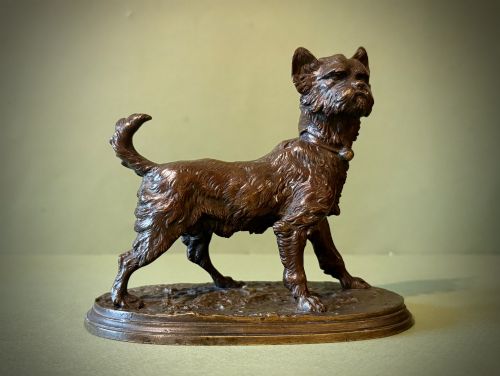
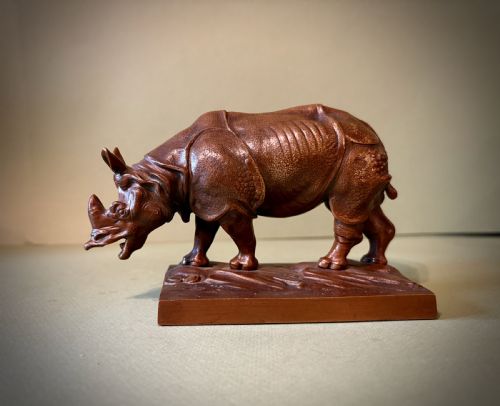
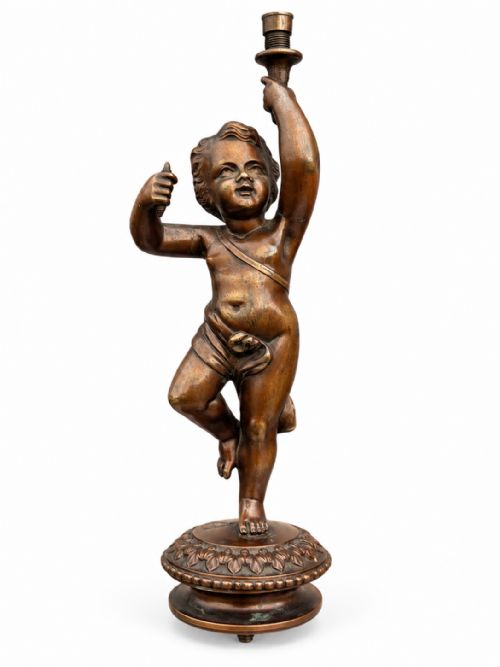
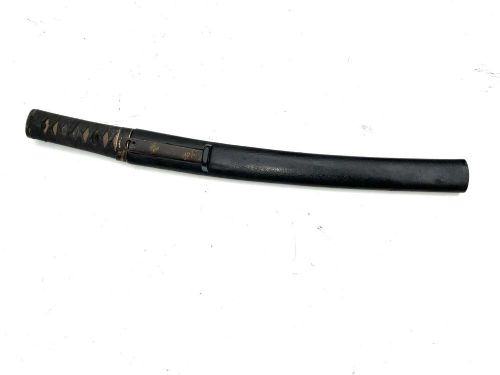
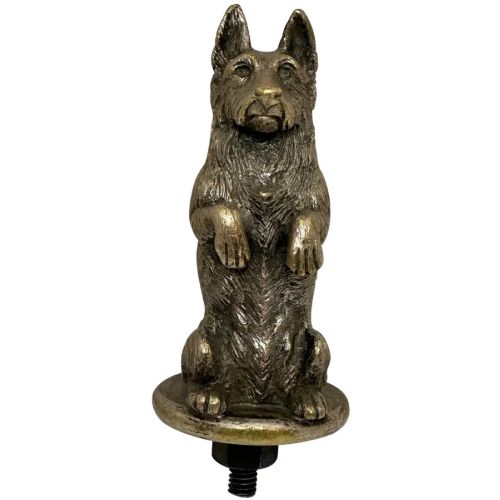
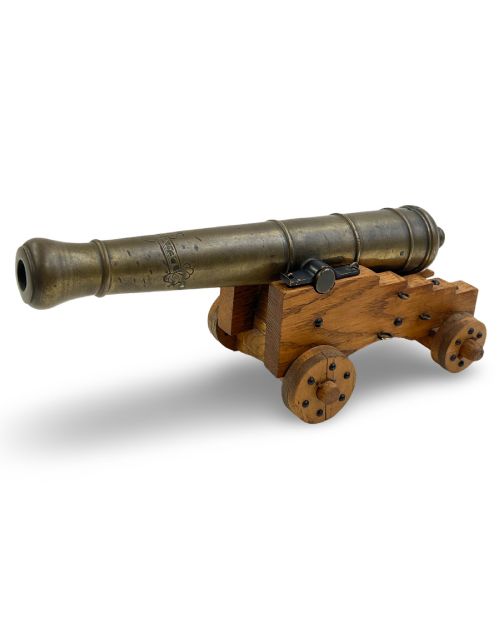
Collectable bronze spans a diverse array of objects originating from the eighteenth century through to the mid twentieth century. Buyers encounter animal figurines, car mascots, table lighters, and signal cannons reflecting various European traditions.
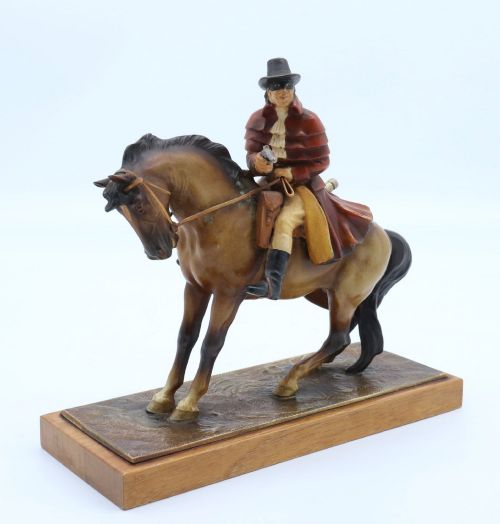
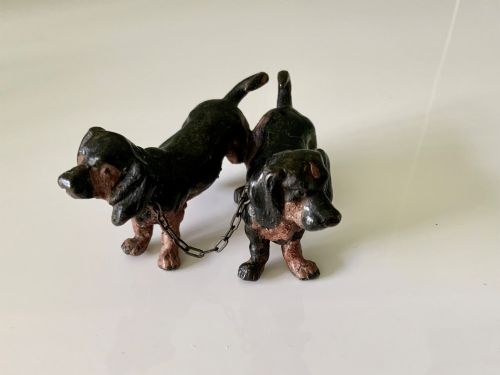
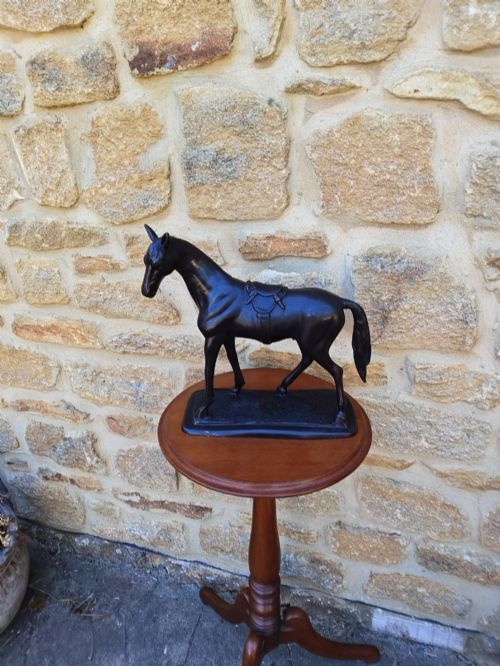
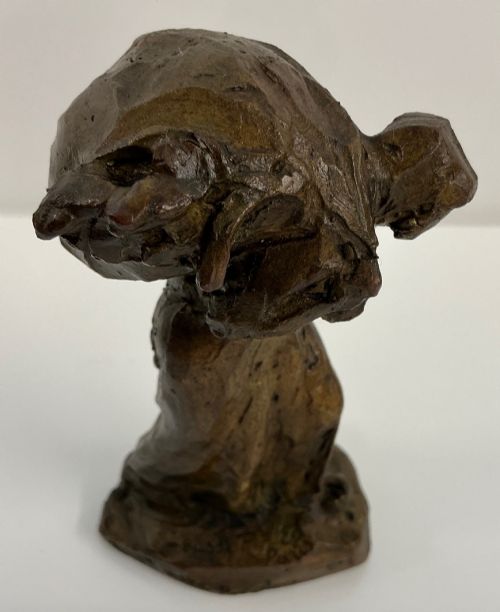
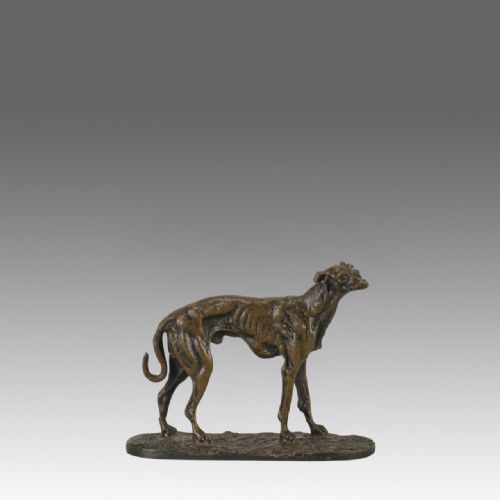
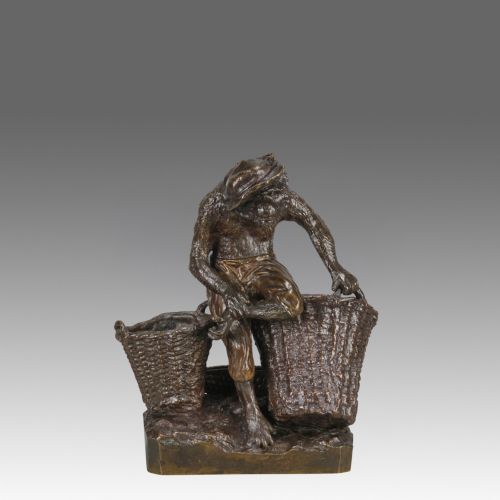
The selections include domestic utility pieces such as pestles and mortars alongside sculptural studies of dogs, horses, and human figures. French animalier bronzes and Art Deco creations sit alongside Austrian cold painted works and Edwardian pieces.
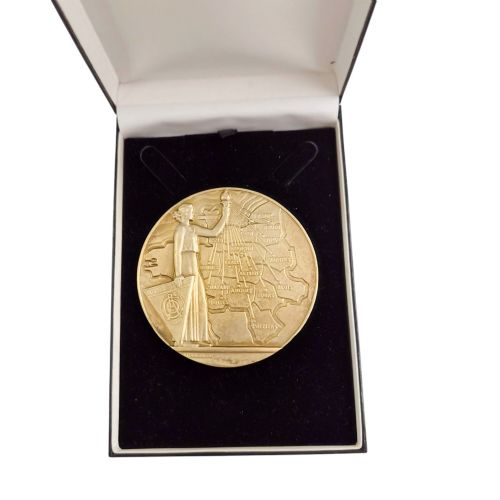
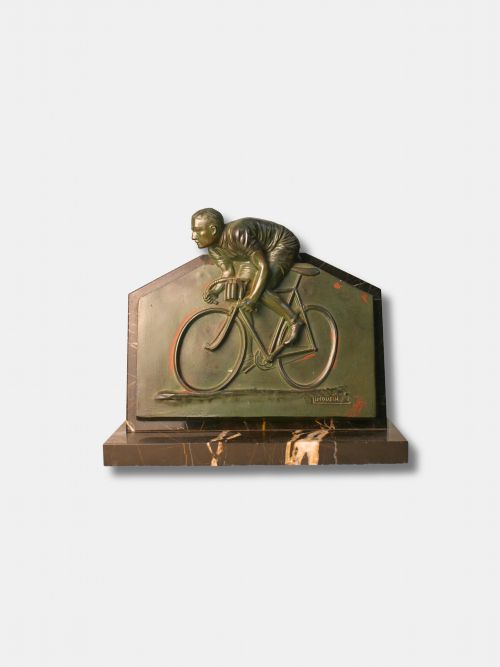
Makers and foundries from Britain, France, Austria, and Spain contribute to the range of available forms. Works stretch from small desk ornaments to larger memorial medals and statuettes mounted on onyx or marble bases.
Materials and Technique
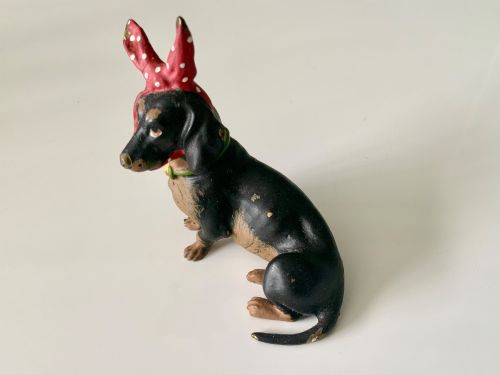
Foundries utilised traditional casting methods to shape molten bronze, often mounting finished figures on bases of marble, onyx, or wood. Cold painting added polychrome detail to Austrian animal figures, while patination gave surfaces deep brown or black tones.
Makers combined bronze with brass, chrome, and gilt finishes on functional objects like car mascots, table lighters, and corkscrews. Stamping and signature engravings identified individual studios and foundries on the completed metalwork.
Collectable Bronze Retail Price Guide 2026
Typical asking prices for collectable bronze among the pieces listed under this phrase on Sellingantiques today, from the lower quarter to the upper quarter. They describe what is for sale here now, not the wider market.
Listings feature bronze, brass, wood, oak, onyx, and marble across eighteenth, nineteenth, and twentieth century periods.
Design and Execution
Quality rests upon the crispness of the cast and the sensitivity of the modelling, distinguishing lively animalier studies from generic productions. Finer pieces retain intricate surface textures, clear foundry stamps, and original patination.
Christophe Fratin·P J Mêne·Jules Dalou·Julien Lorieux·Aristide Maillol·Edith Parsons·Franz Bergman·Joseph Francois Victor Chemin·Antoine Bofill·Claire Colinet·AL Barye·Barbedienne
The Collectable Bronze Glossary
- Animalier
- A nineteenth century artistic movement focused on the realistic depiction of animals, particularly predators and hounds. Sculptors in this tradition studied anatomy closely.
- Cold painted
- A technique where pigment is applied to a cold bronze object rather than fired in a kiln. This finish is particularly associated with Austrian workshops.
- Patina
- The surface coloration and sheen developed naturally over time or applied artificially by chemical treatment. It protects the metal and adds depth to the appearance.
- Car Mascot
- A decorative sculptural ornament mounted on the radiator cap of a motor vehicle. These were popular during the Art Deco period in bronze and chrome.
- Spelter
- A zinc alloy frequently used as a cheaper alternative to bronze. It was often painted or bronzed to imitate solid metal.
Collectable Bronze: Frequently Asked Questions
What is animalier bronze?
Animalier bronze refers to nineteenth century sculptural work depicting animals in naturalistic poses. These pieces capture the musculature and movement of wildlife and domestic beasts.
French sculptors dominated this genre, producing detailed studies of greyhounds, horses, and wild animals for domestic display.
How do I care for bronze?
Bronze requires minimal maintenance beyond dusting with a soft cloth to prevent grime accumulation. Avoid using chemical cleaners that can strip the original patina.
Keeping pieces away from excessive moisture preserves the surface finish and protects any stone or wood mounts.
What are cold painted bronzes?
Cold painted bronzes are figures finished with paint applied without kiln firing. This method allowed makers to achieve vibrant multicoloured animal depictions.
Vienna workshops specialised in this technique, creating small scale figures of dogs, pigs, and birds.
Where were car mascots placed?
Car mascots were fitted to the radiator caps of automobiles as personal ornaments during the early twentieth century. Motorists used them to individualise their vehicles.
These pieces were cast in bronze, silvered metal, or chrome to withstand outdoor conditions.