



Collectable Brass Model
These collectable brass model pieces span maritime, military and industrial forms in miniature, offering tangible history for the desk and cabinet.
Collectable Brass Model
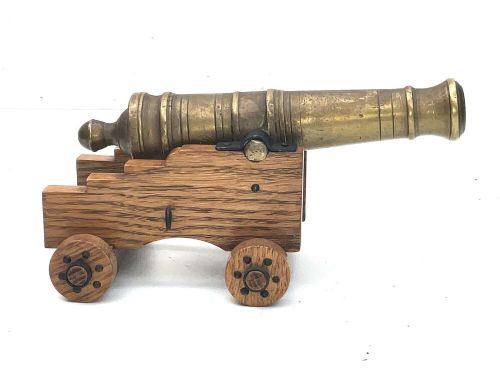
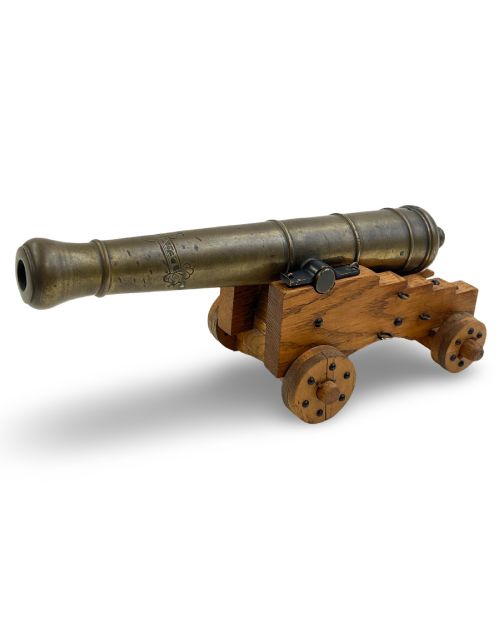
A collectable brass model represents mechanical subjects in miniature, ranging from military artillery and locomotives to maritime equipment and scale firearms. The forms appearing on this page include signal cannons, desk models, scale locomotives, and miniature suits of armour.
Originating across periods from the 18th century through the early 20th century, these items reflect the technical interests of their eras. Pieces such as field cannons and steam traction engines demonstrate the scale craftsmanship valued by makers of the 19th and early 20th centuries.
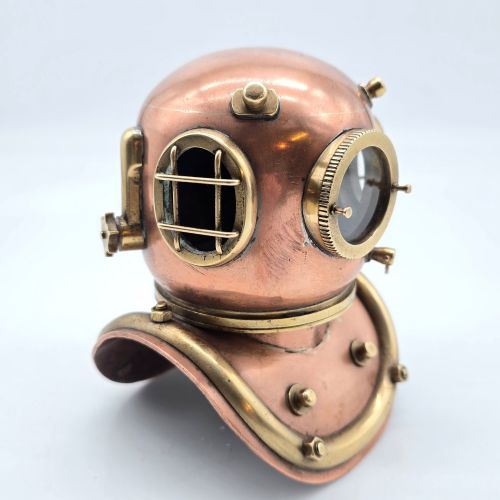
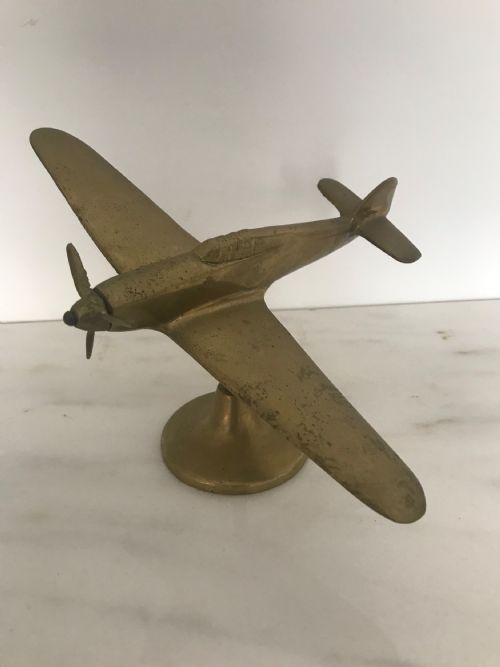
Maritime influences emerge strongly through divers helmets, anchors, and French maritime or Victorian industrial styles. Meanwhile, military subjects encompass percussion revolvers and aircraft desk ornaments tied to specific historic conflicts.
Materials and construction techniques
Construction relies heavily on brass and bronze cast or turned to form structural elements and barrels, paired frequently with iron and steel for operational components. Wood bases, including oak and walnut, provide stable platforms for desk ornaments and display pieces.
Engineering approaches range from hand-built scale construction to spirit-fired functional steam systems on locomotives. Details are achieved through precision turning, metal inscription, and the integration of mixed materials like copper.
Collectable Brass Model Retail Price Guide 2026
Typical asking prices for collectable brass model among the pieces listed under this phrase on Sellingantiques today, from the lower quarter to the upper quarter. They describe what is for sale here now, not the wider market.
Listings feature brass, bronze, iron, and steel materials shaped into maritime, military, and industrial models across the 18th, 19th, and early 20th centuries.
Distinctions in quality and execution
The degree of mechanical fidelity and hand-finished detail separates standard decorative items from superior engineer-made pieces. Working mechanisms, such as spirit-fired steam engines or operable scaled components, command greater attention than static display objects.
Material integration also dictates execution, where heavy solid brass or bronze castings combined with precise wooden mountings demonstrate superior workshop standards. The clarity of period inscriptions and historical accuracy in scale proportion further define the upper tier.
The Collectable Brass Model Glossary
- Signal cannon
- A small ordnance piece designed to fire blank charges for maritime communication or starting races. These typically feature cast brass or bronze barrels mounted on wooden carriages.
- Scale model locomotive
- A miniature representation of a train engine, sometimes powered by live steam or spirit firing. Such pieces often replicate specific historical prototypes like the Stirling No.1.
- Percussion revolver
- A firearm using a percussion cap ignition system popular during the mid-19th century. Models from this era often carry martial issue markings from the American Civil War period.
- Desk ornament
- A decorative or functional miniature placed upon a writing surface, such as an aircraft model or lighter. These pieces combine utility with the aesthetic tastes of periods like Art Deco or the Edwardian era.
Collectable Brass Model: Frequently Asked Questions
What periods do these models cover?
The selections span from the 18th century through the 1930s, encompassing Georgian, Victorian, Edwardian, and Art Deco eras.
Items reflect the technological developments of each specific timeframe, from early field cannons to wartime aircraft and locomotives.
How were miniature cannons used?
Signal cannons served practical maritime and ceremonial functions, including firing salutes and communicating across distances.
Smaller desk versions were often produced as decorative ornaments or novelties rather than functional ordnance.
Are the steam models operational?
Some scale locomotives and traction engines utilise spirit-fired steam systems designed for actual movement.
Mechanical complexity varies significantly between simple static display models and functioning engineer-built engines.
How do I identify a Civil War period revolver?
American Civil War era revolvers, such as Colt models from the 1860s, typically feature specific calibres and martial issue stamps.
Serial numbers and inspector markings help verify their period of production and potential military service.