




Collectable Jewellery
These pieces of collectable antique jewellery span eras from the nineteenth century to the twentieth, offering tangible fragments of past craftsmanship that collectors prize.
Collectable Jewellery
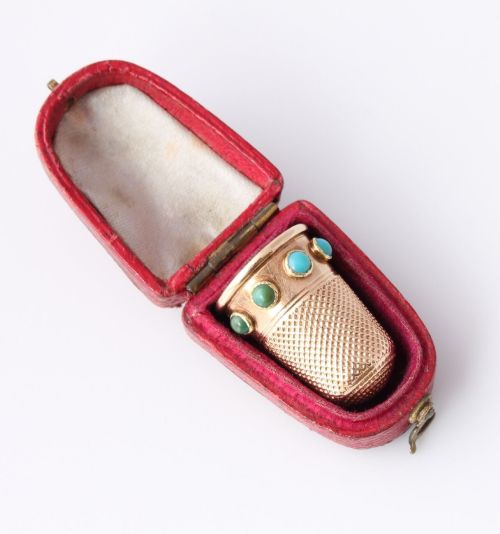
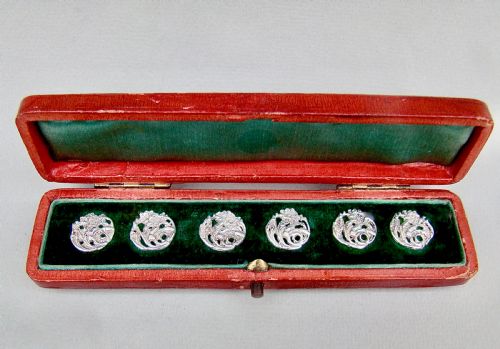
When you search for collectable antique jewellery, you encounter small personal adornments and related items from periods like the Victorian, Edwardian, and Art Deco eras. These pieces range from gold pins and gem-set thimbles to cased buttons and novelty brooches.
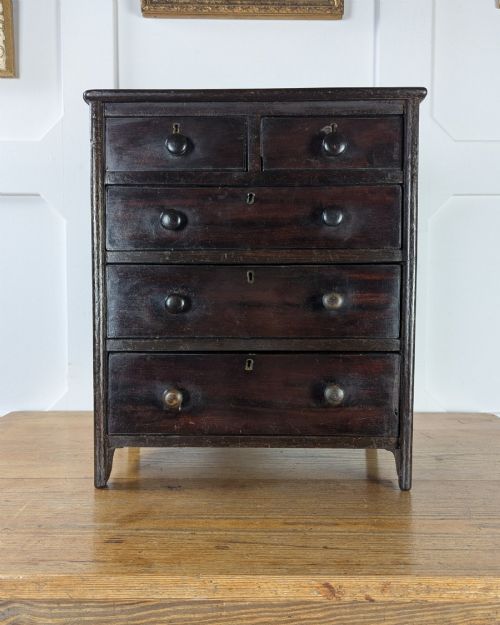
The selections on this page typically feature materials such as fifteen-carat gold, sterling silver, turquoise cabochons, and celluloid. Alongside wearable adornments, the items include specialised display cases and miniature cabinets used to house such treasures.
How they were made
The construction of these items relies on traditional metalwork and gemstone setting techniques seen in Victorian and Edwardian workshops. Artisans shaped precious metals like fifteen-carat gold and sterling silver, often incorporating decorative elements such as turquoise cabochons.
Presentation also played a vital role in manufacture, with makers housing buttons and sewing items in fitted leatherette or velvet-lined cases. Other pieces utilise moulded celluloid to achieve the distinct geometric forms characteristic of the Art Deco period.
Collectable Jewellery Retail Price Guide 2026
Typical asking prices for collectable jewellery among the pieces listed under this phrase on Sellingantiques today, from the lower quarter to the upper quarter. They describe what is for sale here now, not the wider market.
Listings include items spanning the Victorian, Edwardian, and Art Deco periods, utilising materials from fifteen-carat gold and sterling silver to mahogany and glass.
What varies in quality
Quality in these items rests upon the precision of the metalwork and the integrity of the materials employed. Pieces fashioned from higher carat golds or bearing clear hallmarks demonstrate superior original manufacture compared to simpler novelty items.
The survival of original fitted cases and the condition of delicate elements like set gemstones or stamped silver patterns distinguish finer examples. The distinction lies in the crispness of the design execution and the retention of original components over time.
James Deakin And Sons
The Collectable Jewellery Glossary
- Cabochon
- A gemstone shaped and polished with a smooth convex surface rather than faceted. This style of cutting is frequently seen on nineteenth-century gold pieces.
- Stick pin
- A long pin with a decorative head worn upright in a cravat or lapel. These items were popular accessories during the Victorian period.
- Bijouterie table
- A glass-topped display table designed specifically for showing small valuable items and jewellery. They often feature wooden frames in mahogany or walnut.
- Celluloid
- An early form of thermoplastic used extensively in the twentieth century for costume pieces and novelty brooches. It allowed for varied colours and moulded shapes before the advent of modern plastics.
Collectable Jewellery: Frequently Asked Questions
What periods do these pieces come from?
The listings span from the nineteenth century through the Victorian and Edwardian eras up to the Art Deco and Art Nouveau periods of the nineteen thirties.
Each era brings distinct materials and design motifs, allowing collectors to identify the chronological origin of individual pieces.
How should I store my jewellery?
Small items benefit from being kept in dedicated compartments, miniature chests of drawers, or lined display cases to prevent surface scratching.
Historical pieces often survived in better condition because they were originally preserved in fitted leatherette or velvet boxes.
Are stick pins still wearable?
Stick pins can be worn in lapels, ties, or hats, though their long shins require careful handling during placement.
Many collectors prefer to display them in dedicated pins stands or frames when not being worn.