




Collectable Instrument
These pieces of collectable antique instrument cover scientific, medical, and navigational tools that reward careful study.
Collectable Instrument
Every collectable antique instrument bridges utility and precision, spanning from scientific devices and medical tools to navigational gear and writing implements. The examples found here range across the eighteenth, nineteenth, and twentieth centuries, including Victorian and Edwardian pieces alongside military equipment from both world wars.
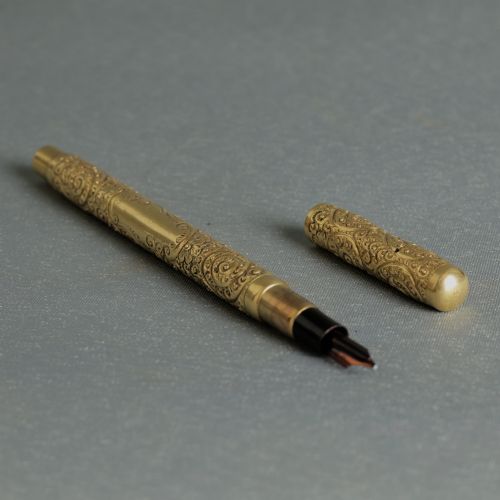
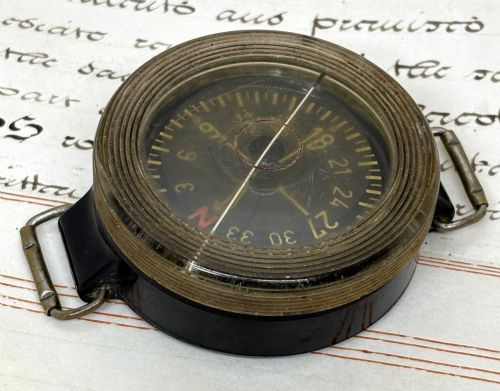
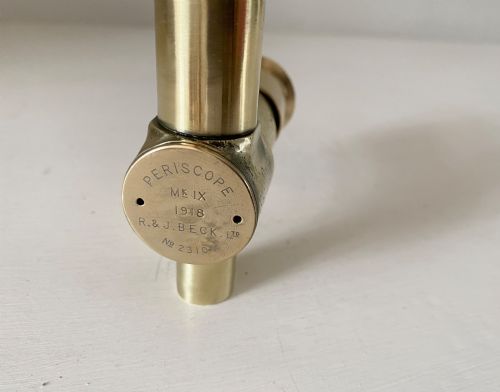
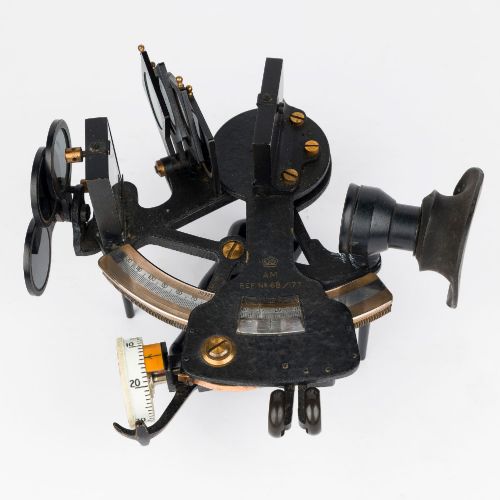
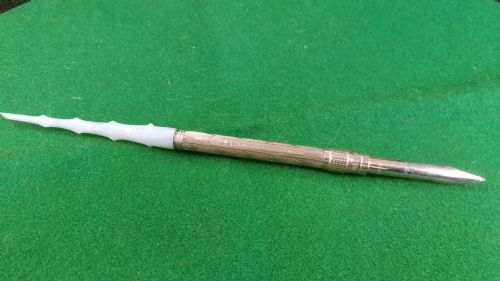
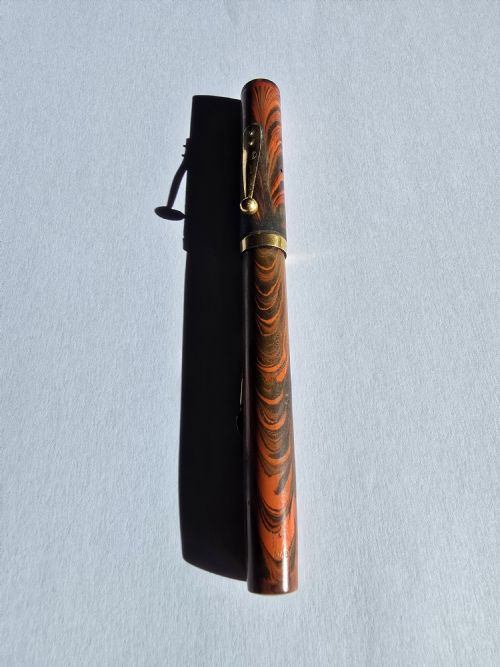
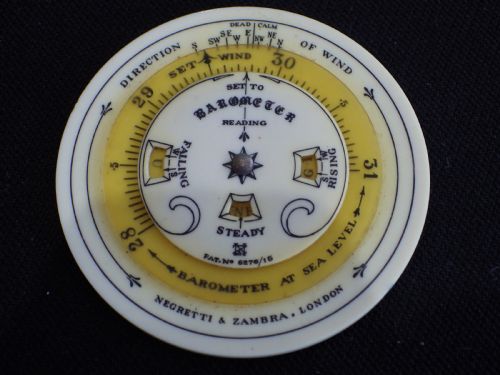
Buyers are most likely to encounter practical brass navigation tools, pocket barometers, and vintage writing instruments such as fountain pens and dip pens. Specialised military items, including periscopes, compasses, and sextants, also appear alongside medical saws and stethoscopes from earlier centuries.
How they were made
Makers relied heavily on brass, steel, and lacquered metal to construct durable housings for sensitive scientific and navigational mechanisms. Boxwood, treen, and glass frequently complement these metals, forming fitted cases and delicate scale components.
Twentieth-century pieces introduce modern industrial plastics like bakelite and acrylic alongside traditional metals. Precision engraving and careful assembly characterise the construction of scientific apparatus, ensuring accurate readings under field conditions.
Collectable Instrument Retail Price Guide 2026
Typical asking prices for collectable instrument among the pieces listed under this phrase on Sellingantiques today, from the lower quarter to the upper quarter. They describe what is for sale here now, not the wider market.
Even an excise officer required a reliable boxwood slide rule to measure spirits accurately.
What varies in quality
Quality rests in the precision of the mechanics, the clarity of the engraved graduations, and the presence of original fitted cases or instructions. Maker signatures from established firms elevate an object beyond standard utilitarian production.
The integrity of fragile glass lenses, delicate metal needles, and original surface finishes separates standard survivals from exceptional museum-grade specimens. Intact mechanical operation remains central to the assessment of any scientific or navigational device.
Hughes & Son·R & J Beck Ltd·Waterman Ideal·Mabie Todd & Co·Negretti & Zambra·Edward Roberts·Maw London·Short & Mason·Jules Richard of Paris
The Collectable Instrument Glossary
- Sextant
- An instrument used to measure the angle between two visible objects, traditionally applied in marine navigation to determine latitude.
- Anemometer
- A device for measuring wind speed, commonly utilised in meteorological recording and scientific observation.
- Treen
- Small handmade wooden objects and household wares, often turned on a lathe from boxwood or other dense timbers.
- Barometer
- An instrument measuring atmospheric pressure, frequently housed in brass or wood cases with calibrated dials for forecasting weather.
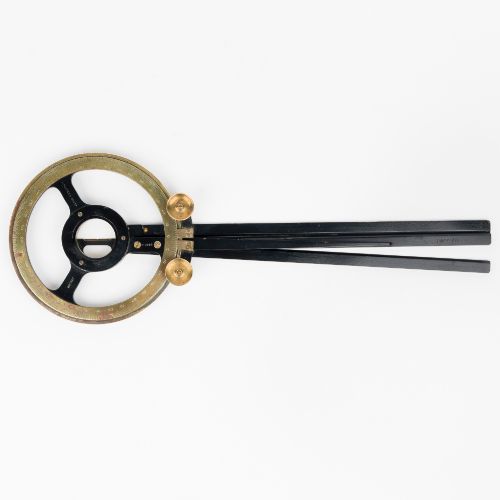
- Station pointer
- A three-arm protractor employed in hydrographic surveying and navigation to fix a position from three known landmarks.
Collectable Instrument: Frequently Asked Questions
What is a collectable antique instrument?
A collectable antique instrument encompasses historical scientific, medical, navigational, and writing devices produced before the mid-twentieth century.
These pieces reflect the technological standards and craftsmanship of their respective eras, appealing to collectors interested in applied science and history.
How were antique navigational instruments used?
Navigators utilised these devices at sea or in the field to calculate position, measure angles, and record meteorological conditions.
Instruments such as sextants and station pointers were essential tools for maritime exploration and cartography.
How do I care for brass instruments?
Brass components benefit from a stable environment with minimal humidity to prevent oxidation and degradation of lacquered surfaces.
Gentle dusting with a soft cloth preserves the metal without stripping historical patinas or damaging delicate engraved markings.
Can I date an instrument by its materials?
Materials offer strong clues to the period of manufacture, with nineteenth-century pieces often featuring turned wood, heavy brass, and hand-engraved scales.
The introduction of bakelite and acrylic points toward twentieth-century production during the interwar and wartime periods.