





Collectable Game
These collectable antique game pieces bring tactile history to life, offering a tangible connection to past pastimes and parlour pursuits.
Collectable Game
When you search for collectable antique game objects, you encounter a diverse assortment of pastimes, ranging from traditional board games to pocket novelties and tavern pastimes. These items span periods from the nineteenth century through the Edwardian era and into the nineteen-thirties.
The objects on this page most frequently include turned wood accessories, carved dice shakers, traditional chess sets, and card handling items. Each piece reflects the leisure habits and material culture of its specific period.
Origins vary across English folk art traditions and formal manufactures, encompassing items produced for domestic entertainment as well as commemorative sporting events. The assortment bridges casual parlour games and serious competitive equipment.
Materials and construction methods
Makers utilised traditional materials such as boxwood and ebony for precision items like chess sets, turning individual pieces on a lathe to achieve balanced, uniform shapes. Turned wood and carved mahogany appear frequently among the listings.
Decoration techniques combined functional design with artisanal skill, utilising ink detailing on turned components and enamel accents on badges. Craftspeople applied straightforward joinery and carving methods suited to each specific material.
Collectable Game Retail Price Guide 2026
Typical asking prices for collectable game among the pieces listed under this phrase on Sellingantiques today, from the lower quarter to the upper quarter. They describe what is for sale here now, not the wider market.
A pigeon-shaped bird call sits quietly among the treen, waiting to whistle.
Distinctions in quality
The standard of a piece rests on the precision of its manufacture, particularly in turned wooden items where symmetry and clean lines define the better examples. Material selection also dictates quality, with dense hardwoods and well-preserved stag horn outperforming softer substitutes.
Maker attribution elevates certain items, as signed works from established makers demonstrate superior finishing compared to anonymous workshop pieces. Preserved surface detail and crisp carving distinguish finer folk art items from simpler utilitarian objects.
Jaques·Royal Worcester·James Stinton
The Collectable Game Glossary
- Cribbage board
- A scoring device used in the card game cribbage, traditionally featuring drilled tracks for pegs. These boards were frequently carved from bone, horn, or wood.
- Bilboquet
- A traditional skill toy consisting of a ball attached by a string to a cup or spike. Players attempt to catch the ball in the cup.
- Jasperware
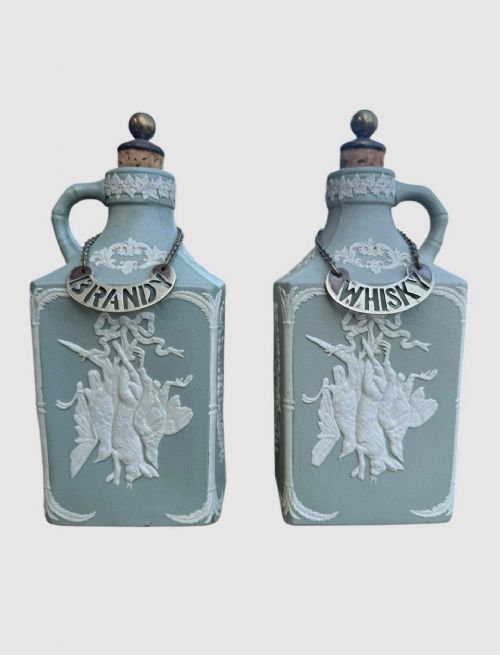
- A type of pottery developed by Josiah Wedgwood, characterised by a matte unglazed finish and raised white reliefs. It appears on spirit flagons and decorative vessels.
- Tinplate
- Thin sheet iron or steel coated with tin to prevent rusting. This material was commonly stamped and painted for Edwardian sports figures.
Collectable Game: Frequently Asked Questions
What is a treen bird call?
A treen bird call is a small wooden device turned on a lathe to imitate avian sounds. These objects were often used for sporting purposes or as novelties.
They reflect the woodworking skills of nineteenth-century artisans who produced varied small items from local timbers.
How do I identify a Jaques chess set?
Jaques chess sets are typically distinguished by precise boxwood and ebony turning, often featuring specific weighted bases and stamp marks. The St George pattern is a notable design associated with this maker.
Quality of the carving and distinct proportions separate these sets from unbranded alternatives of the same period.
What materials were cribbage boards made from?
Cribbage boards from this period were frequently fashioned from natural materials including stag horn, bone, and various hardwoods. The choice of material often reflected the maker's access to resources and the intended context of use.
Horn and bone boards utilised the natural curve and density of the material to form stable scoring tracks.
How should I care for antique wooden games?
Antique wooden games require stable environmental conditions away from direct sunlight and excessive humidity to prevent wood movement. Gentle dusting with a dry cloth maintains the surface without stripping natural patination.
Avoid using modern liquid polishes, which can build up on carved surfaces and discolour exposed grain.