


Collectable Antiquarian Book
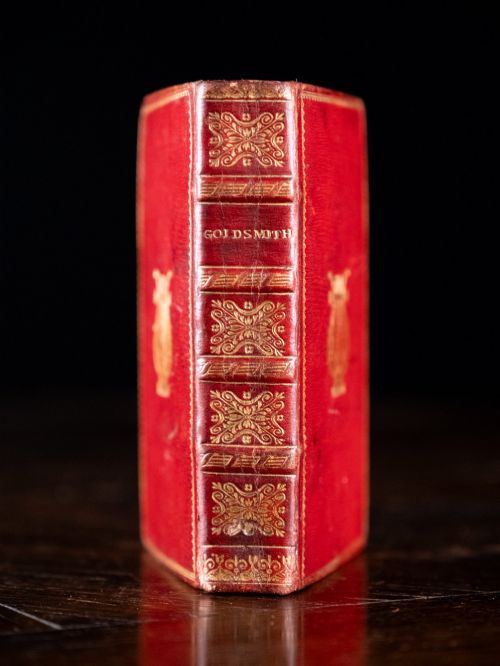
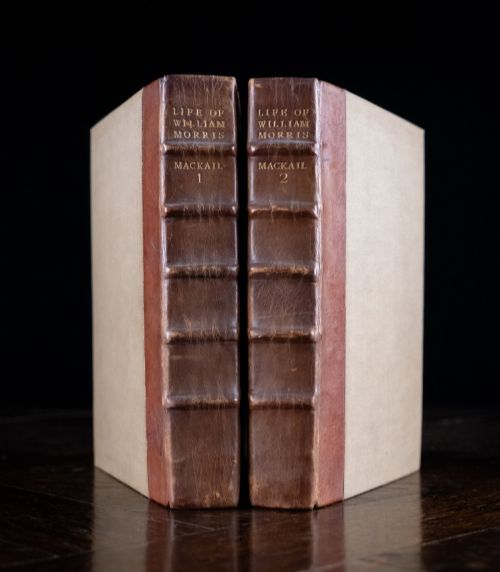
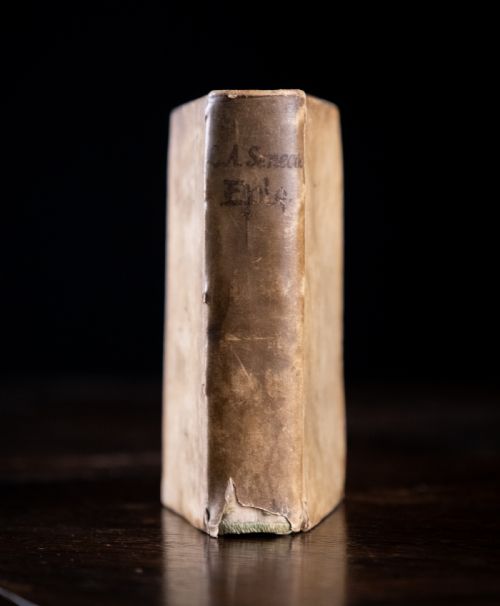
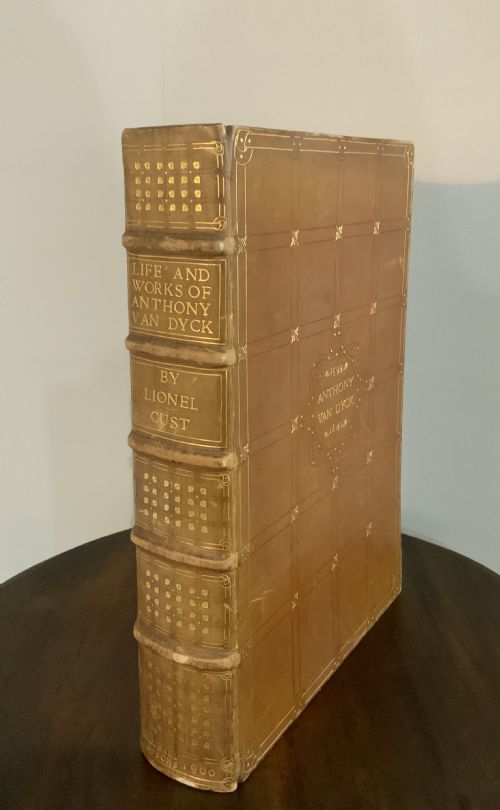
These collectable antiquarian book volumes bring centuries of calfskin, vellum, and gold leaf into your study.
Collectable Antiquarian Book
A collectable antiquarian book encompasses volumes spanning from the seventeenth century through to the Edwardian period, capturing centuries of publishing history. When searching for a collectable antiquarian book, buyers encounter formats ranging from miniature devotional texts to extensive multi-volume biographical sets.
The selections on this page draw from periods such as the Regency, Georgian, and Victorian eras, presenting works bound in full leather, cloth, and vellum. Forms vary from single philosophical treatises and county histories to poetry and collected plays.
Most entries reflect traditional craftsmanship through materials like marbled paper and gold leaf tooling. These antiquarian items provide a direct tactile connection to historical printing traditions and authorship.
How they were made
Binders constructed these volumes using robust natural materials such as calfskin, vellum, and leather over wooden boards or heavy paper boards. Pages consisted of handmade paper receiving impressions from traditional ink presses.
Spines and covers frequently received decoration through gold leaf tooling, impressing metallic leaf into the leather using heated brass tools. Endpapers often featured marbled paper designs produced through floated pigments on a size bath.
Seventeenth-century philosophers share shelf space with tiny books small enough to fit in a waistcoat pocket.
What varies in quality
Quality in these volumes rests on the integrity of the original binding and the preservation of the text block. Full leather and vellum bindings that retain their suppleness and clear gold tooling stand apart from heavily worn examples.
Uniformity across multi-volume sets and the presence of original publisher bindings or contemporary finishes elevate an edition. Complete text blocks with clean paper margins maintain greater fidelity to their historical production.
The Collectable Antiquarian Book Glossary
- Vellum
- A fine parchment made from calf skin, frequently utilised for durable historical book bindings. It offers a smooth, pale surface that ages with a distinctive tone.
- Calfskin
- A soft, supple leather prepared from the hide of a calf, commonly used for high-grade bookbindings during the eighteenth and nineteenth centuries. It takes gold leaf tooling exceptionally well.
- Gold leaf
- Gold beaten into an extremely thin sheet, used in bookbinding to impress titles and decorative motifs onto leather and cloth spines.
- Miniature book
- A tiny volume typically produced under a specified height, often designed for devotional or pocket use. These small works required high precision from period compositors and binders.
- Marbled paper
- Coloured paper featuring a patterned, veined design created by floating pigments on water or gum and transferring them to the sheet. It frequently serves as decorative endpapers inside antique books.
Collectable Antiquarian Book: Frequently Asked Questions
How are antique books dated?
Dating relies primarily on the title page imprint, printer colophon, or preliminary historical notices bound into the volume.
Additional clues emerge from the style of the typography, binding materials, and paper watermarks characteristic of specific centuries.
What is a miniature book?
Miniature books are exceptionally small volumes produced for ease of transport, personal devotion, or novelty.
Despite their diminutive size, period craftsmen utilised standard printing and binding techniques to create fully legible texts.
How should leather bindings be cared for?
Leather bindings require stable environmental conditions away from direct sunlight and excessive humidity to prevent the material from drying out.
Handling volumes with clean hands and supporting the spine when opening preserves the structural integrity of the historical binding.
What does a first edition mean?
A first edition represents the initial commercial printing of a text from the original setting of type.
These printings carry particular significance for collectors studying the author's primary release of a work.
Why are some books bound in vellum?
Vellum provided binders with an exceptionally durable and resilient material derived from animal skin.
Its strength protected important theological, legal, and philosophical texts from heavy wear over centuries.