
Cold Painted Austrian Sculpture
Cold painted austrian sculpture brings together delicate metallurgy and vibrant enamel paint, depicting animals, dancers and orientalist figures that collectors prize for their rich character.
Cold Painted Austrian Sculpture
When exploring cold painted austrian sculpture, collectors encounter three-dimensional figures cast in metal and finished with non-fired polychrome paint. These pieces range from whimsical animal figurines and table lamps to complex human subjects reflecting Victorian and Art Deco tastes.
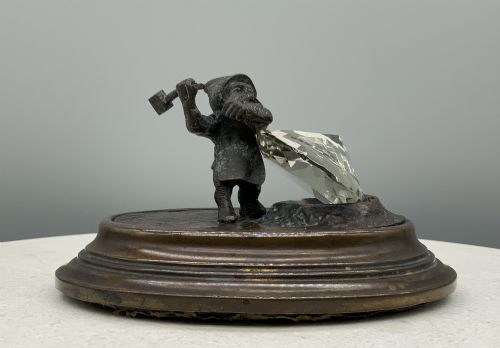
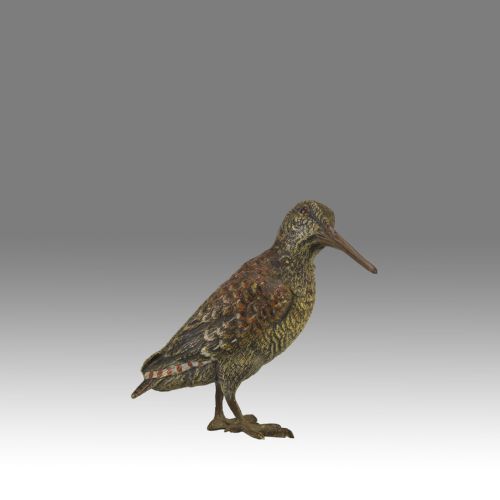
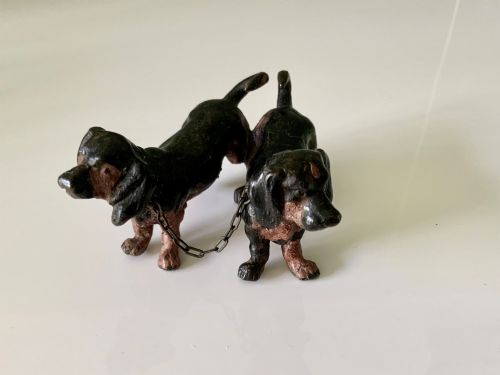
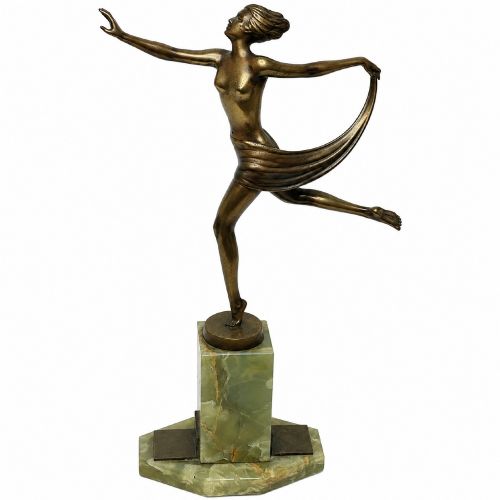
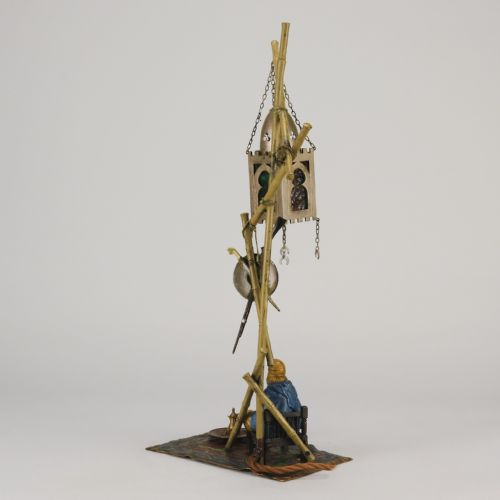
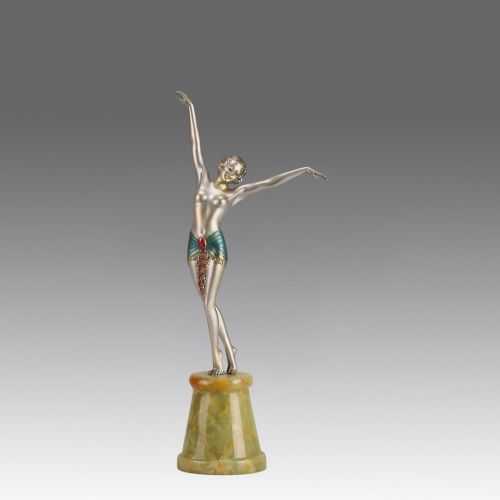
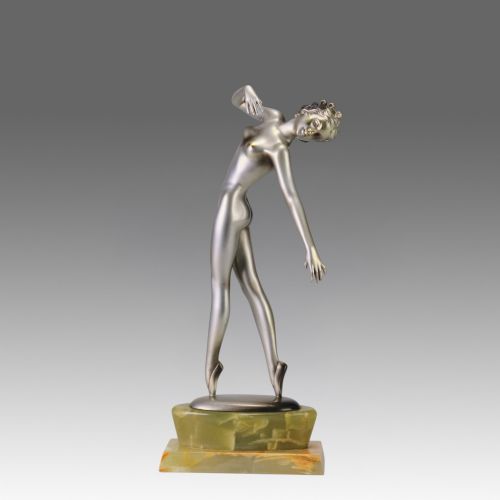
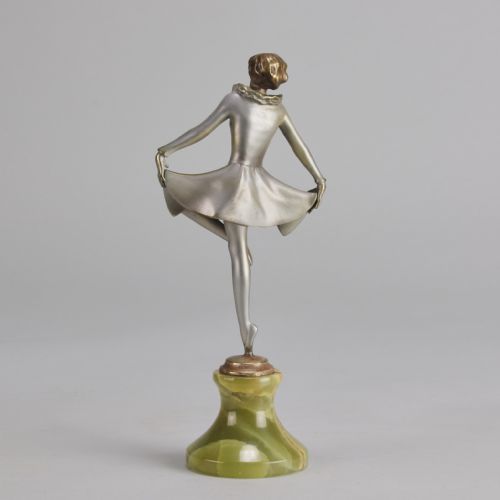
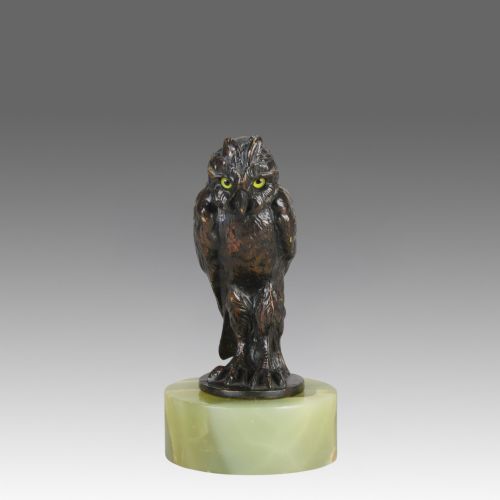
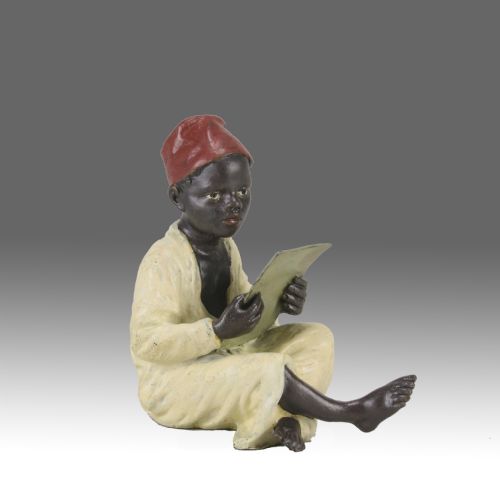
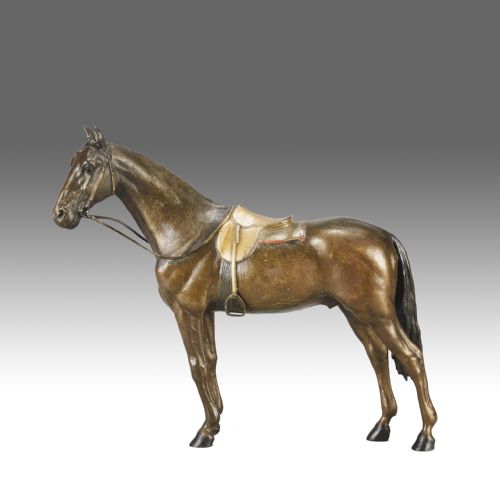
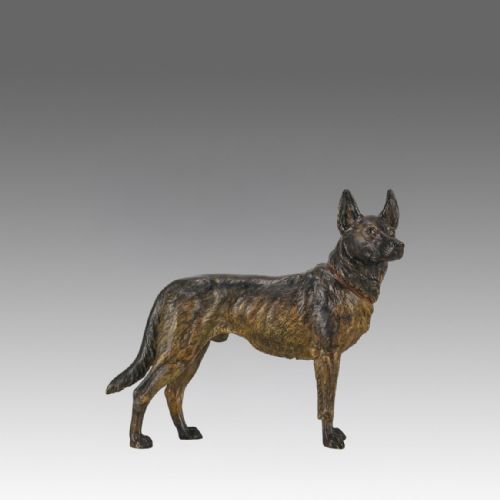
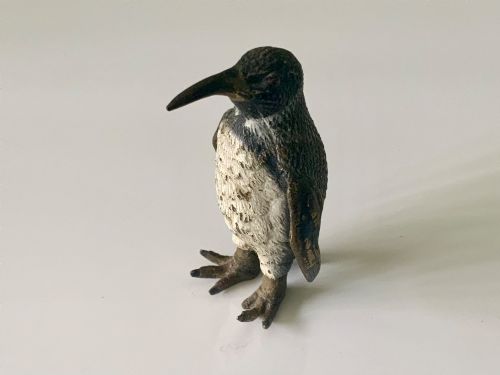
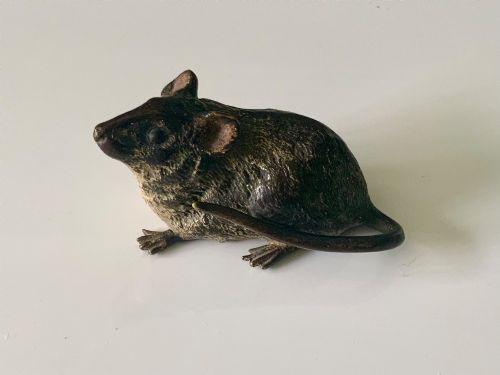
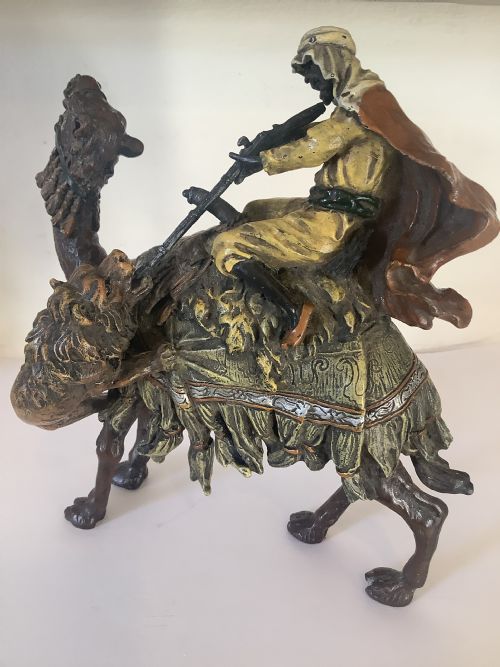
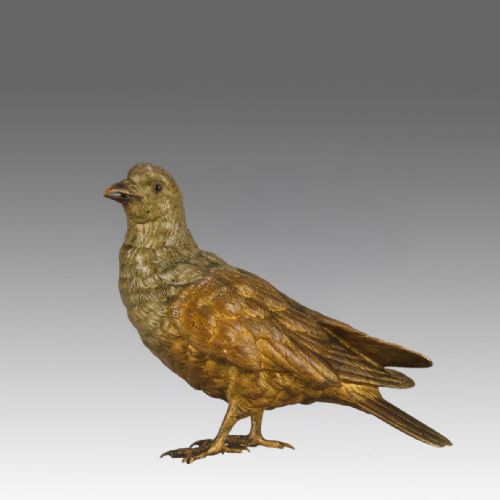
The objects most frequently met on this page date from the turn of the twentieth century, bridging late Victorian production and the geometric lines of the nineteen-thirties. Animals such as dogs, birds and horses appear alongside human subjects including dancers, miners and figures in orientalist dress.
Originating predominantly from workshops in Vienna, these sculptures span multiple physical formats, from tiny cabinet pieces to substantial bases incorporating materials like green onyx. Buyers find both naturalistic studies and stylised theatrical figures reflecting the dominant artistic movements of their time.
Materials and methods
The foundation of these works relies on cast bronze or terracotta, shaped to capture fine anatomical and textural details before any colour is applied. Spelter also appears in later Art Deco figures as an alternative casting medium.
Surface decoration depends on cold-painting techniques, where enamel or oil paint is applied directly to the unheated metal surface rather than fired in a kiln. This method allows for subtle shading and intricate patterns on clothing, feathers and fur.
Mounts and structural additions frequently incorporate natural elements such as green onyx or glass to support the metal figures and provide stable bases for lamps and display pieces.
Miniature brass frogs smoking pipes and cautious dachshunds demonstrate the delightfully eccentric humour found in Vienna bronze animal studies.
Quality and execution
The distinction between tiers of production rests entirely on the precision of the casting and the sensitivity of the hand-painting. Finer examples retain crisp detailing in the underlying metalwork, ensuring that feathers, facial expressions and garments remain sharp beneath the pigment.
Surface preservation defines the standing of individual pieces, as the unheated paint adheres less permanently than fired ceramic glazes. Superior items display harmonious colour palettes and minimal pigment loss, reflecting careful handling over generations.
The artistry of the modeller dictates the overall success of the sculpture, separating mass-produced decorative items from expressive works attributed to known Vienna studios and master designers.
Franz Bergman·Franz Xaver Bergman·Josef Lorenzl
The Cold Painted Austrian Sculpture Glossary
- Cold-painted
- A finishing process where paint is applied to a metal object without subsequent kiln firing. This technique permits high detail but remains susceptible to flaking if handled roughly.
- Vienna Bronze
- Small, naturalistic or orientalist metal sculptures produced in Austrian workshops during the late nineteenth and early twentieth centuries. They are celebrated for their humorous animal studies and human figures.
- Spelter
- A zinc alloy used as a cheaper alternative to bronze, particularly common in Art Deco figurines. It offers similar casting versatility but possesses a lighter weight.
- Orientalism
- An artistic style depicting Middle Eastern and North African subjects, frequently explored through figures of carpet sellers, snake charmers and dancers. This theme heavily influenced Austrian bronze production.
- Polychrome
- The practice of decorating surfaces in multiple colours. In these sculptures, it brings realism and theatricality to animal and human subjects alike.
Cold Painted Austrian Sculpture: Frequently Asked Questions
Why is the paint not fired on?
Cold painting allowed makers to achieve a wider spectrum of vibrant hues and fine details that standard kiln-fired enamels could not replicate on bronze.
This method produced immediate, rich colouration, though it requires careful preservation today to prevent surface wear.
How can I tell Bergman pieces apart?
Authentic Bergman pieces often feature specific foundry marks, such as the urn stamp or signature initials concealed within the casting. The quality of the chasing and the distinct colour palette also offer strong indicators.
Comparing the anatomical proportions and weight against documented workshop examples helps confirm attribution.
What periods do these sculptures cover?
The inventory spans from the mid-nineteenth century through the Victorian era and into the nineteen-thirties. Turn of the century pieces represent the peak of Austrian bronze production.
Art Deco examples introduce stylised human figures and alternative metals like spelter alongside traditional bronze works.