

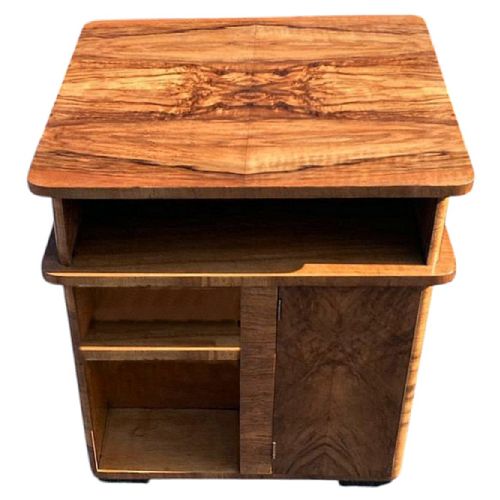


Cocktail Bar Table
A cocktail bar table gathers guests with folding panels, hidden wells and gleaming surfaces that bring 1930s glamour straight into the room.
Cocktail Bar Table
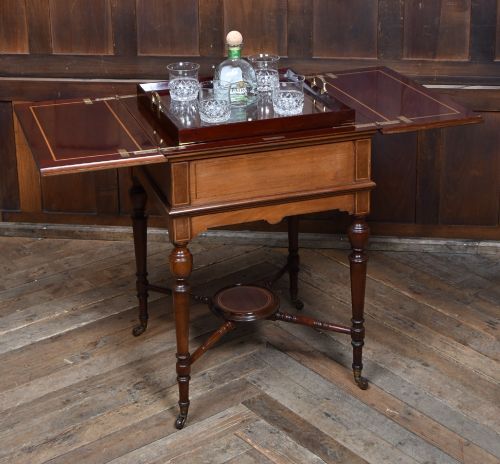
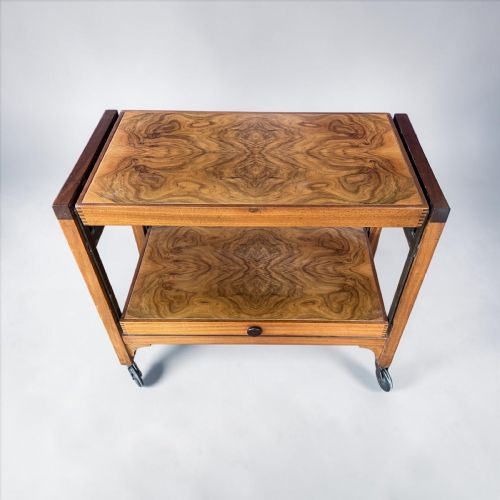
A cocktail bar table combines serving surfaces with concealed storage for bottles and glassware, often taking the form of metamorphic chests, drop-leaf furniture and rolling trolleys. These pieces emerge primarily from the Art Deco era and the Edwardian period, built to serve entertaining spaces with clever mechanics.
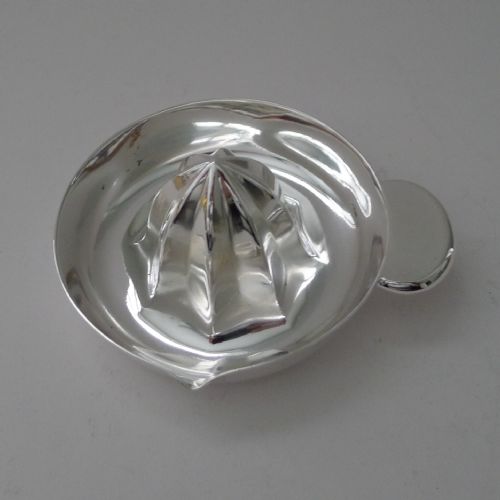
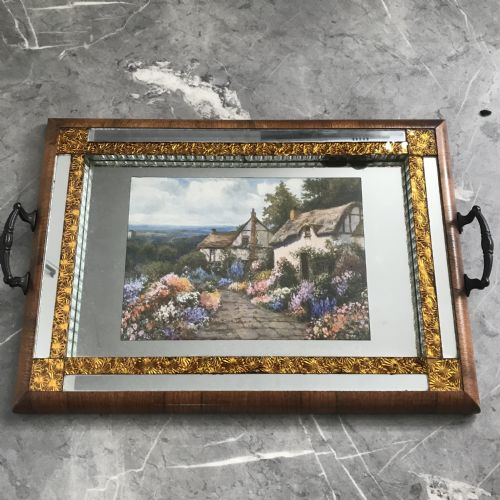
The most common examples on this page are walnut tables featuring pop-up mechanisms and mirrored glass surfaces that transform a modest occasional table into an active drinks station. Alongside these, buyers find related serving items such as silver-plated squeezers and inlaid mahogany cabinets.
Materials and construction
Cabinetmakers used rich timbers like walnut, mahogany and Macassar ebony, frequently enhanced with satinwood inlay or mirrored glass tops to reflect crystal decanters and glassware. Metal and brass elements reinforced hinges, edges and wheels on metamorphic serving pieces.
The construction relies on clever joinery and folding mechanisms that allow table tops to lift or pivot, revealing bottle wells and mixing trays hidden within the frame.
Cocktail Bar Table Retail Price Guide 2026
Typical asking prices for cocktail bar table among the pieces listed under this phrase on Sellingantiques today, from the lower quarter to the upper quarter. They describe what is for sale here now, not the wider market.
Current listings feature walnut, mahogany, brass and mirrored glass across Edwardian and 1930s Art Deco designs.
Judging quality in these tables
Quality rests on the smoothness of the metamorphic action and the precision with which folding leaves align when closed. Superior examples operate without friction, concealing their storage compartments completely beneath flush wooden surfaces.
The choice of veneer and the integrity of the silver plating or brass fittings separate standard production items from finer workshop pieces.
Christofle Paris·Incorporall
The Cocktail Bar Table Glossary
- Metamorphic
- Furniture designed to change shape or function through folding, sliding or pop-up mechanisms. This engineering allows a simple table to convert into a fully equipped bar.
- Veneer
- A thin layer of choice wood applied over a secondary timber base to create decorative grain patterns. Walnut and Macassar veneers feature prominently on these surfaces.
- Inlay
- A technique where contrasting woods such as satinwood are set into the primary surface to create decorative borders. Edwardian cabinetmakers used this method extensively.
- Reamer
- A small conical tool used for extracting juice from citrus fruit. Silver-plated examples accompany barware setups of the period.
Cocktail Bar Table: Frequently Asked Questions
How do metamorphic cocktail tables work?
These tables utilise hidden hinges, pivots and counterweights that lift interior bottle wells and expand the surface area when opened. Closing the table conceals the bar fittings entirely.
Such mechanisms require careful adjustment so the wooden leaves meet evenly without catching on the internal frame.
Where should I place a bar table?
These pieces suit reception rooms, dining spaces and home libraries where entertaining takes place. Their dual function as standard occasional tables allows them to sit unobtrusively against a wall until needed.
Positioning them away from direct sunlight protects walnut veneers and mirrored glass from fading or silver degradation.
How do I care for walnut veneer surfaces?
Dust the wood regularly with a dry cloth and avoid placing damp glassware directly onto the polished finish. Using coasters prevents moisture rings from forming on the vintage timber.
Occasional application of appropriate wax maintains the lustre of the grain without building up a heavy residue.
What defines Art Deco bar furniture?
Art Deco bar furniture relies on geometric forms, rich dark veneers and contrasting metallic accents like brass and mirrored glass. The style prioritises streamlined silhouettes combined with practical innovation.
Pieces from this movement often incorporate clever storage solutions designed specifically for the cocktail culture of the interwar decades.