



Cobalt Trinket Box
These cobalt trinket box examples bring rich blues and careful gilt work to dressing tables, offering small treasures for everyday use.
Cobalt Trinket Box
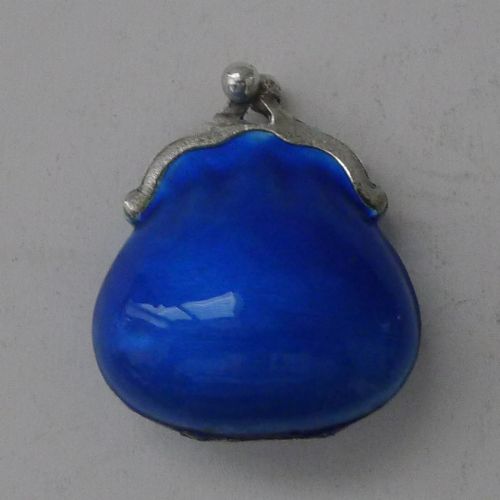
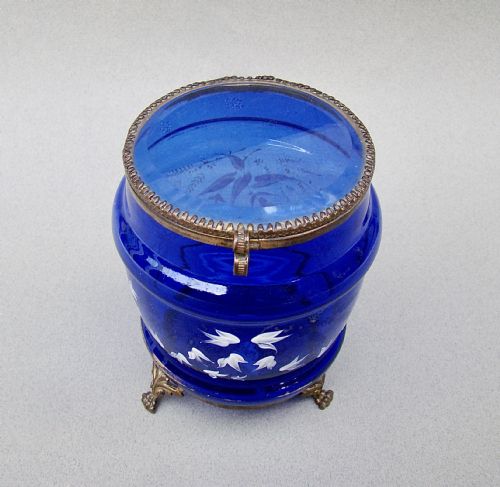
A cobalt trinket box brings together rich blue glass, enamel, and porcelain alongside brass, ormolu, and gold leaf mounts. These small containers served for pins, patches, pills, and jewellery upon the dressing table.
The pieces appearing on this page stretch from the eighteenth century into the twentieth, with French nineteenth century examples and English enamel patch boxes leading the selection. Forms range from round and oval boxes to dressing table jars and boat shaped dishes.
French Rococo Revival and Neoclassical styles sit alongside Georgian and Victorian pieces, reflecting diverse nineteenth and twentieth century production. Makers and makers' origins span English potteries and French workshops.
Materials and Manufacture
Enamel and porcelain form the body of many pieces, often decorated with hand painted motifs and raised gold leaf detailing. Bristol blue glass provides a deep coloured body paired with cast ormolu and metal mounts.
Stoneware and jasperware appear in blue dip variations, shaped into circular patch boxes and covers with crisp moulded relief. Ironstone and traditional ceramic bodies offer alternative durable surfaces with transfer printed or hand painted patterns.
Cobalt Trinket Box Retail Price Guide 2026
Typical asking prices for cobalt trinket box among the pieces listed under this phrase on Sellingantiques today, from the lower quarter to the upper quarter. They describe what is for sale here now, not the wider market.
Early patch box owners used tiny artificial beauty spots to cover small pox scars or simply to flirt across a crowded room.
Assessing Quality
Quality rests on the crispness of the hand painting and the precision of the gilt detailing applied to the porcelain, enamel, or glass surfaces. Finer examples show careful brushwork and deep, consistent saturation in the cobalt glaze or blue glass.
The weight and finish of the ormolu and metal mounts contribute significantly to a piece's standing. Well cast hinges, secure closures, and substantial metalwork distinguish the more accomplished boxes from simpler production.
The Cobalt Trinket Box Glossary
- Ormolu
- A gilded brass or bronze mounting applied to decorative objects and furniture. It provides decorative framing and structural support for glass and porcelain boxes.
- Jasperware
- A type of fine stoneware developed by Wedgwood, characterised by a matte unglazed surface and contrasting white cameo reliefs. Blue jasper dip creates the distinctive dark blue ground seen on certain boxes.
- Patch box
- A small pocket or dressing table container designed to hold cosmetic patches made of fabric or court plaster. Eighteenth century examples in enamel were fashionable social accessories.
- Bristol blue glass
- A deep vibrant blue glass produced in Bristol during the eighteenth and nineteenth centuries. It was frequently paired with gilt brass or ormolu mounts for dressing table wares.
Cobalt Trinket Box: Frequently Asked Questions
What were cobalt trinket boxes used for?
These small containers held daily necessities on the dressing table, including pins, small cosmetics, and personal keepsakes.
Over time their uses shifted to storing rings and small pieces of jewellery, protecting delicate items in lined compartments.
How do I date an antique box?
Dating relies on examining the materials, mounting styles, and any painted signatures or impressed factory marks beneath the base.
Stylistic cues such as French Rococo Revival mounts or Georgian enamel work help narrow the period of manufacture.
How should I clean porcelain and glass boxes?
Gentle dusting with a soft, dry cloth preserves the fragile hand painted details and gold leaf decorations.
Moisture should be kept away from metal hinges and old adhesives to prevent corrosion and structural damage.
What is the difference between enamel and porcelain?
Enamel involves fusing powdered glass to a metal base, often copper in antique patch boxes, creating a smooth glossy finish.
Porcelain is a fired ceramic material providing a rigid white body that takes hand painted cobalt glazes and gilt details directly.