



Cobalt Blue Tea Cup
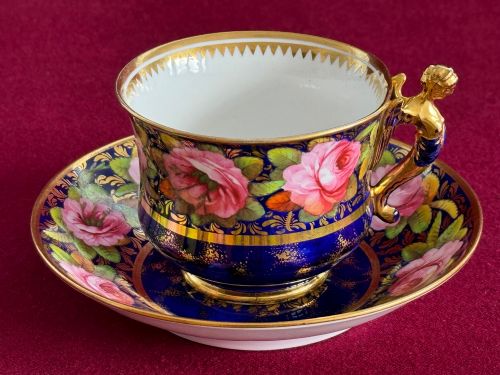
A cobalt blue tea cup brings the rich depth of deep cobalt glazes and gold leaf right to the table, spanning eighteenth-century porcelain and later Victorian services.
Cobalt Blue Tea Cup
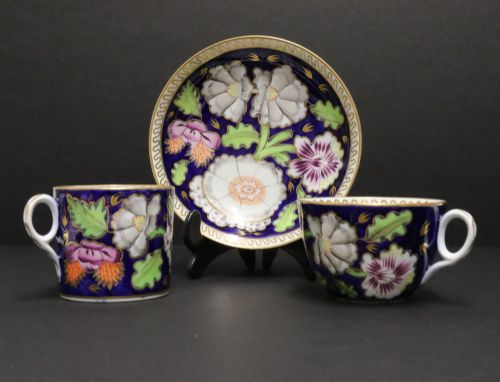
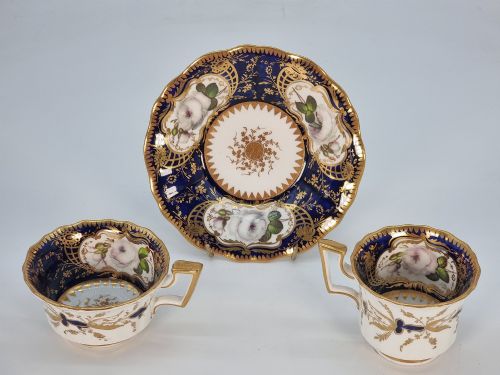
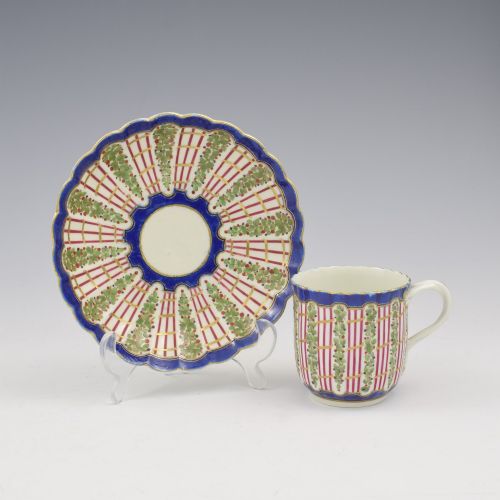
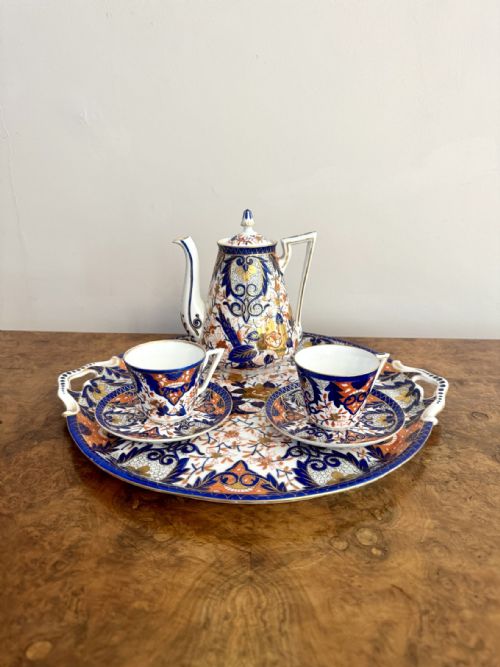
A cobalt blue tea cup embodies a long tradition of ceramic artistry, appearing across periods from the eighteenth century through to the early twentieth century. When searching for a cobalt blue tea cup, buyers encounter various forms including tea bowls, cabinets trios, and full coffee sets made during the Georgian, Regency, and Victorian eras.
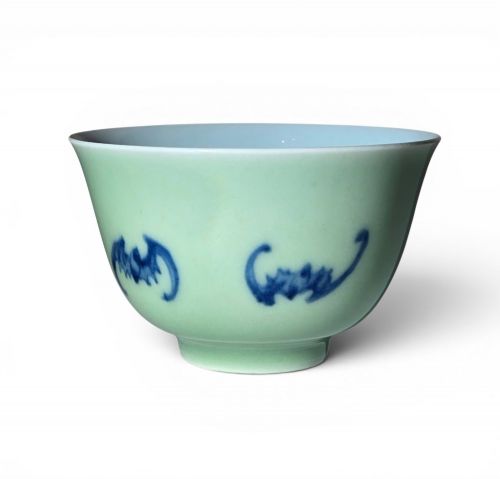
The pieces on this page span diverse stylistic influences, ranging from English factories like Worcester, Spode, and Coalport to continental makers such as Moser and the Moscow Factory. English soft-paste porcelain and bone china dominate these listings, alongside examples of early earthenware and Chinese celadon-ground ceramics.
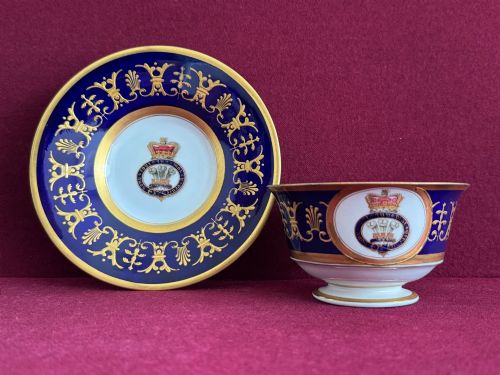
Forms vary from standard handled cups to handleless tea bowls paired with matching saucers, often originating from named historical services. These items demonstrate how distinct regional aesthetics and domestic potting traditions shaped daily tea drinking habits over multiple centuries.
Materials and methods
Potters utilised porcelain, soft-paste porcelain, and bone china as the primary bodies for these wares, shaping them into delicate cups, bowls, and saucers. Cobalt pigment provided the intense blue ground, applied underglaze or overglaze before firing to achieve deep, permanent coloration.
Craftsmen applied gold leaf and hand-gilding to accentuate rims, handles, and decorative motifs, often combining rich gilding with intricate enamel work. Glaze layers sealed the ceramic bodies, creating a smooth, vitrified surface that protected the painted cobalt designs.
Cobalt Blue Tea Cup Retail Price Guide 2026
Typical asking prices for cobalt blue tea cup among the pieces listed under this phrase on Sellingantiques today, from the lower quarter to the upper quarter. They describe what is for sale here now, not the wider market.
Makers represented include English factories alongside continental European workshops and Russian manufacturers.
Distinctions in quality
Excellence in these ceramics rests upon the depth and evenness of the cobalt ground, the precision of the hand-painting, and the finesse of the porcelain body. Early pieces from prominent periods display meticulous throwing and glazing techniques that set them apart from mass-produced later wares.
The application of gold leaf and enamel work reveals the skill of the decorator, with superior examples exhibiting crisp, well-preserved detailing and balanced composition. The integrity of the ceramic body and the historical significance of specific factory marks also determine the standing of individual pieces.
Spode·Barr & Barr Worcester·Coalport·Dr Wall Worcester·Yates·Moser
The Cobalt Blue Tea Cup Glossary
- Soft-Paste Porcelain
- An artificial ceramic paste fired at lower temperatures than true hard-paste porcelain. It was widely used by eighteenth-century English factories for its warm tone and receptive surface.
- Bone China
- A type of porcelain containing bone ash, developed to increase strength and whiteness. It became a staple material for British tea services throughout the nineteenth century.
- Underglaze
- A decoration technique where pigments are applied to the raw ceramic body before glazing and firing. This method ensures the design remains protected beneath a glassy coating.
- Enamel
- Opaque glass-like paint applied over the fired glaze to add colour and detail. It required a secondary, lower-temperature firing to fuse the pigments to the surface.
- Trio
- A matching set consisting of a teacup, a coffee cup, and a saucer. These groupings were popular in cabinet collections and formal tea services.
- Tea Bowl
- A handleless drinking vessel derived from Chinese forms. Early European tea wares frequently replicated this shape before handles became standard.
Cobalt Blue Tea Cup: Frequently Asked Questions
What is a cobalt blue tea cup made from?
These pieces are predominantly formed from porcelain, soft-paste porcelain, or bone china. Artisans finished them with cobalt blue glazes and applied surface details using gold leaf and enamels.
The choice of material often reflects the period of manufacture, with earlier eighteenth-century items utilising soft-paste bodies and later nineteenth-century pieces shifting towards refined bone china.
How do I identify an eighteenth-century piece?
Eighteenth-century examples typically feature soft-paste porcelain bodies, hand-painted underglaze blue decoration, and handleless tea bowl forms. Examination of the foot ring and glaze pooling can reveal the characteristics of early firing methods.
Factories from this era often relied on distinctive blue scale grounds or transitional patterns influenced by oriental imports.
Were these cups used for daily tea drinking?
Many of these items originated as functional components of larger tea services, designed for the formal consumption of tea or coffee in domestic settings. Finer cabinet trios and commemorative service pieces were frequently displayed rather than used.
Over successive periods, changing social rituals influenced the shift from handleless tea bowls to handled cups and saucers.
How should I care for antique porcelain?
Antique ceramics require gentle handling and hand washing in lukewarm water with mild soap. Avoid sudden temperature changes to protect the delicate glaze and any overglaze gilding.
Displaying them away from direct sunlight preserves the vibrancy of the cobalt blue grounds and enamel decorations.