



Cobalt Blue Light
Cobalt blue light brings together deep ceramic glazes and rich glass fittings to illuminate interiors with striking colour.
Cobalt Blue Light
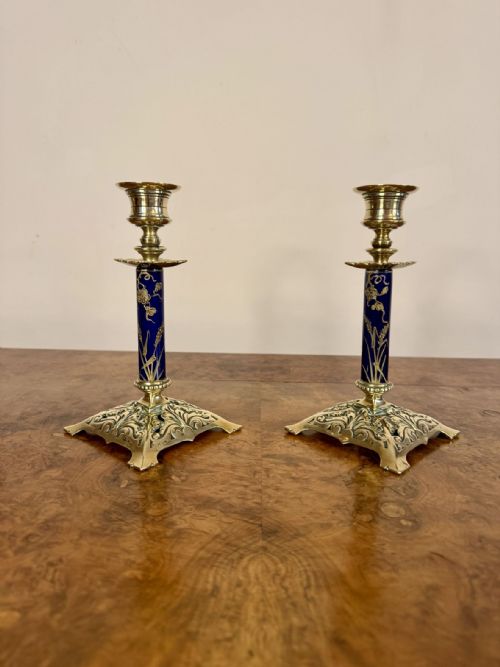
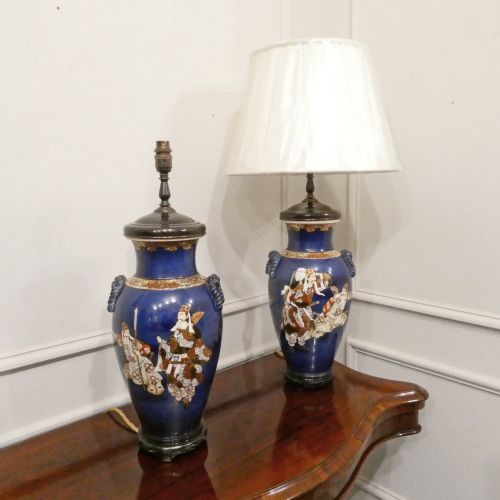
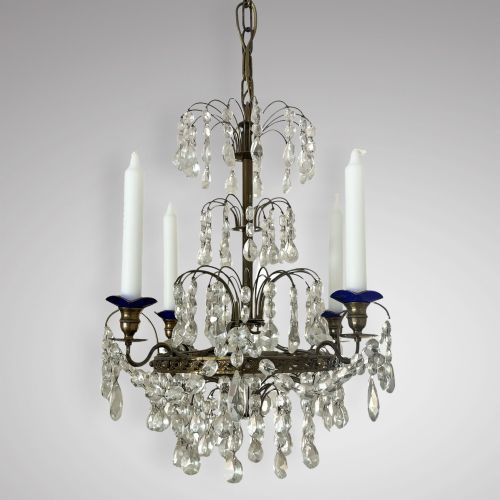
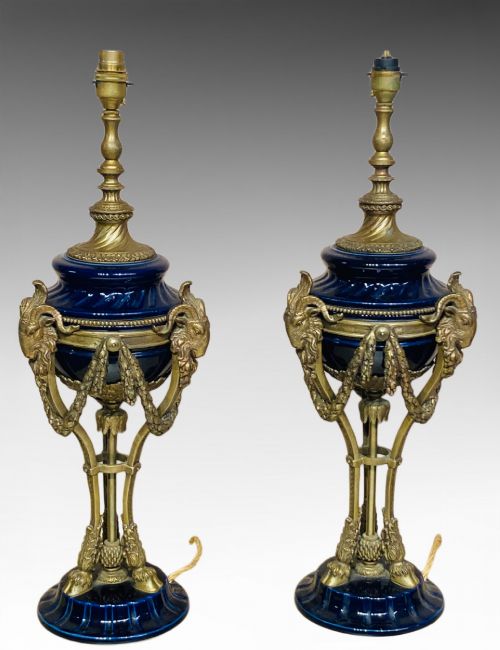
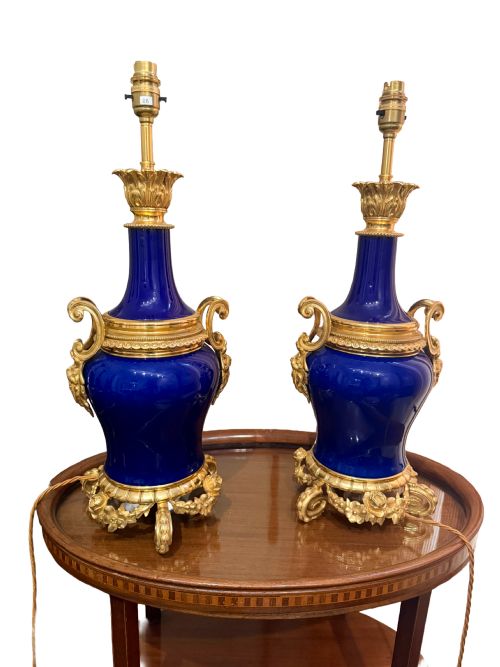
Cobalt blue light encompasses a broad selection of ceramic and glass illumination ranging from nineteenth-century porcelain table lamps to early twentieth-century chandeliers. Buyers searching this phrase encounter numerous forms including converted vases, candelabra, and oil lamps alongside ceiling fixtures.
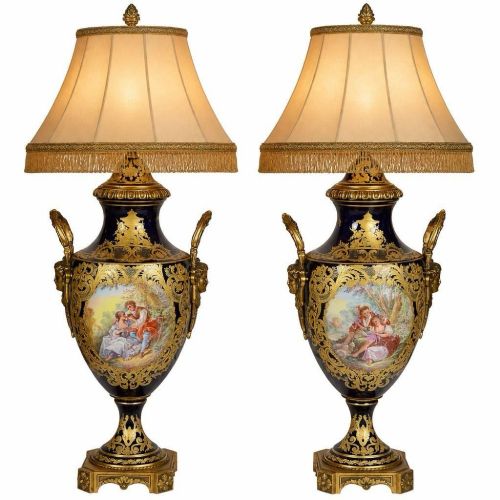
The nineteenth century provides the bulk of the porcelain and glazed earthenware examples, particularly French Sevres style pieces mounted in ormolu and Chinese blue and white vases adapted into lamps. Edwardian and later twentieth-century items introduce cut glass chandeliers, bead fittings, and chrome desk lamps featuring blue glass components.
Materials and construction
Makers utilised high-fired porcelain and rich cobalt glass combined with gilt brass, ormolu, and bronze mounts. Ceramic bodies frequently feature hand-painted details beneath clear glazes, while glass pieces rely on overlay techniques, cutting, and prism assemblies.
Metalwork components such as bases, collars, and chandelier branches employ cast brass and gilt bronze, often styled after French Rococo Revival or Louis XVI Neoclassical designs. Electrical conversions in later periods integrate modern wiring through existing oil or candle fittings.
Cobalt Blue Light Retail Price Guide 2026
Typical asking prices for cobalt blue light among the pieces listed under this phrase on Sellingantiques today, from the lower quarter to the upper quarter. They describe what is for sale here now, not the wider market.
Listings span from the mid-nineteenth century through the 1940s, uniting French Sevres style porcelain, Chinese export vases, and Bohemian glass.
Judging the range
Quality separates in the crispness of the porcelain painting, the depth of the cobalt glaze, and the weight of the metal mounts. Finer examples display finely chased ormolu and hand-applied decoration that integrates seamlessly with the ceramic body.
Glass pieces differ in the clarity of the crystal, the precision of the cut facets, and the integrity of the hanging prisms. Superior fixtures maintain matching components across pairs and retain original patination on the brass and bronze hardware.
Royal Doulton·Samson
The Cobalt Blue Light Glossary
- Ormolu
- Gilt bronze mounts applied to furniture, ceramics, and lighting fixtures. This technique involves coating bronze in a mercury and gold amalgam before heating.
- Mantel Lustres
- Ornamental glass vases fitted with hanging glass prisms, often displayed on fireplaces. They catch and refract ambient light through their coloured glass bodies.
- Cloisonné
- Enamel work created by soldering wire compartments onto a metal base before filling them with coloured paste and firing. It frequently appears on nineteenth-century Chinese vases.
- Imari
- Japanese porcelain decorated in underglaze blue, iron red, and gilt. Pieces often feature dense floral and geometric patterns.
- Overlay Glass
- Glass created by fusing two or more distinct layers of different colours before cutting through the outer layer to reveal the contrasting colour underneath.
Cobalt Blue Light: Frequently Asked Questions
What is a cobalt blue light?
A cobalt blue light refers to lamps, chandeliers, and candlesticks incorporating deep blue glass or glazed porcelain. These objects range from nineteenth-century ceramic vases adapted for electricity to cut glass ceiling fixtures.
Makers across Europe and Asia produced these pieces utilising rich metallic glazes and glass-working techniques designed to catch and project ambient room illumination.
How do I date a porcelain lamp?
Dating relies on examining the style of the ceramic body, the mounting hardware, and any visible factory marks. Nineteenth-century examples often feature hand-painted decoration and heavy ormolu bases styled after French periods.
Later adaptations from the early twentieth century frequently show evidence of conversion from oil lamps or tobacco jars alongside modified wiring channels.
Were these lamps originally electric?
Most antique examples began life as oil lamps, vases, candlesticks, or apothecary jars before receiving electrical conversions in subsequent decades. Original manufacturing methods prioritized oil combustion or candle power.
When living with these pieces, check the internal wiring and fitting components to ensure safe modern operation while preserving the historic exterior shell.
How do I style a blue glass chandelier?
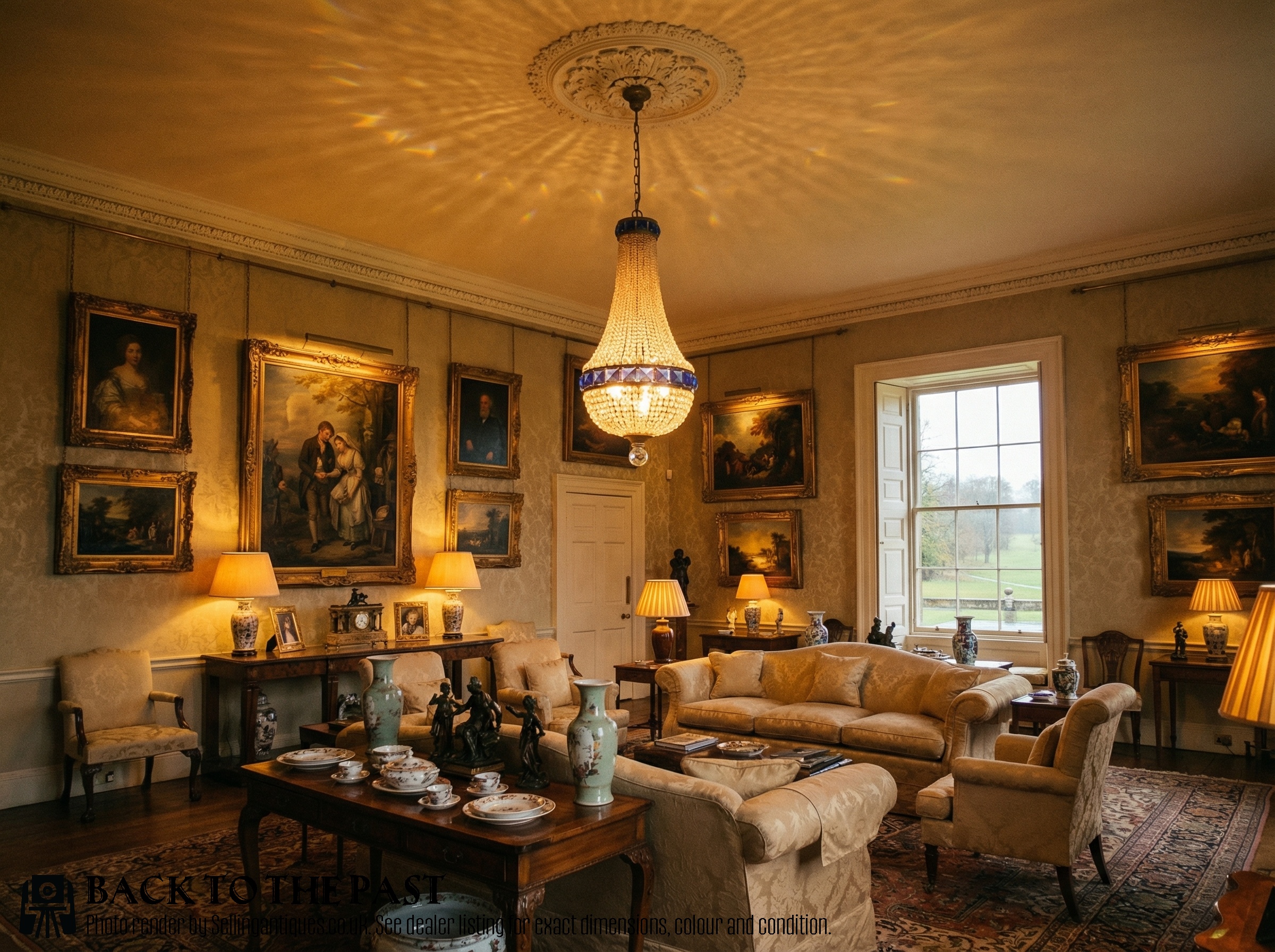
Blue glass chandeliers work effectively as focal points in dining rooms or entrance halls where their coloured prisms can interact with natural and artificial light. Pairing them with neutral walls allows the cobalt tones to stand out.
Consider the hanging height and ceiling capacity carefully, as nineteenth-century and Edwardian glass fixtures often carry substantial weight from their metal frames and crystal drops.