




Cobalt Blue Crystal Glasses
Cobalt blue crystal glasses bring deep colour and brilliant refractive craft to the table, and these pieces offer striking antique examples to collect.
Cobalt Blue Crystal Glasses
When you search for cobalt blue crystal glasses, you look for vessels that combine rich colour with the heavy brilliance of lead crystal. The selection spans distinct drinking vessels and glassware from the Victorian and Edwardian eras up to the Art Deco period.
You will encounter matching sets of wine glasses alongside specialised forms like champagne flutes. These pieces demonstrate the enduring appeal of deep blue tones fused with clear crystal layers.
Making the glassware
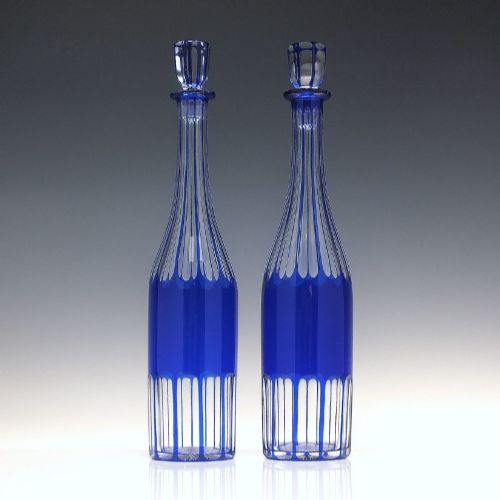
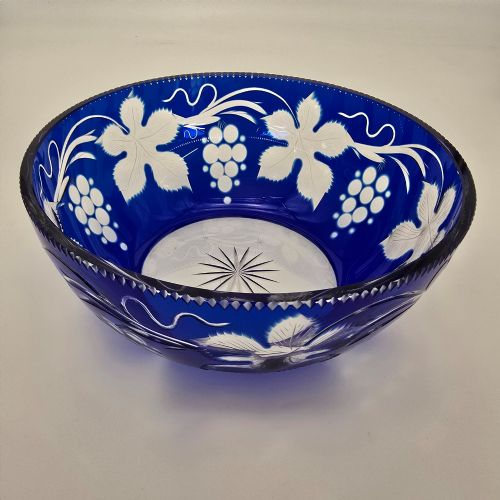
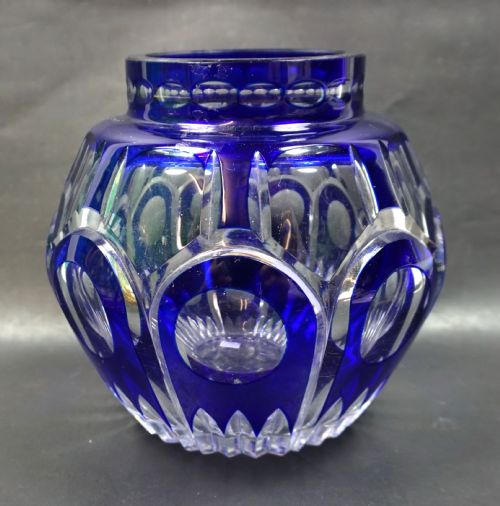
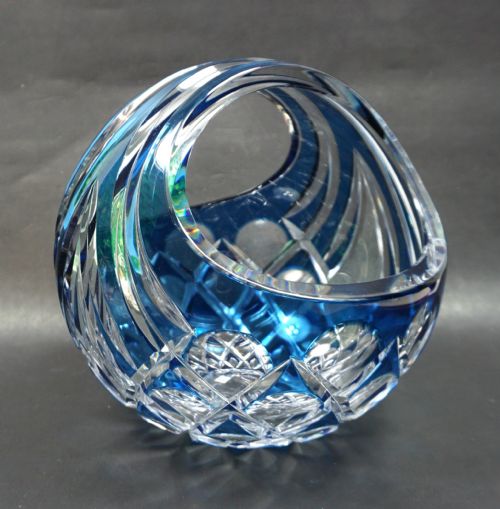
Makers utilised lead crystal and cased glass techniques, layering a skin of intense cobalt blue over clear glass before cutting through the surface. This overlay method allowed artisans to reveal sparkling clear facets beneath the dark blue exterior.
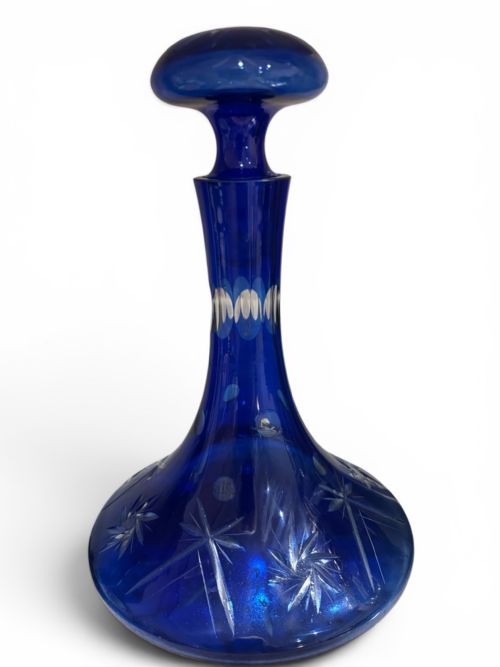
Cutting and polishing shaped the final appearance, creating sharp geometric facets for Art Deco designs or intricate floral patterns on Victorian pieces. Metal mounts in brass or silver plate occasionally finished the heavier drinking and serving vessels.
Cobalt Blue Crystal Glasses Retail Price Guide 2026
Typical asking prices for cobalt blue crystal glasses among the pieces listed under this phrase on Sellingantiques today, from the lower quarter to the upper quarter. They describe what is for sale here now, not the wider market.
Listings feature items from the nineteenth century up through the 1930s, using lead crystal, cased glass, and metal mounts.
Judging the work
Quality rests upon the depth of the cobalt colour and the crispness of the wheel-cut facets. Superior items display sharp, clean edges where the blue layer has been cut away to expose the clear crystal beneath, with no blurriness in the pattern.
Weight and balance also define the better pieces, as heavier lead crystal provides a clearer ring and finer light refraction. The precision of the initial glassblowing and the absence of bubbles within the material separate standard items from finer works.
Val St. Lambert·Moser Crystal·René Lalique
The Cobalt Blue Crystal Glasses Glossary
- Cased glass
- A method where a layer of coloured glass is fused over a core of clear glass before being shaped and cut. This technique creates high contrast when the outer layer is ground away.
- Cut to clear
- A decorative process involving deep cutting through a coloured exterior glass layer to reveal the clear crystal underneath. It creates sharp patterns of alternating blue and clear sections.
- Lead crystal
- Glass containing metallic lead oxide to increase weight, brilliance, and workability. It allows for deeper cutting and sharper refractive edges than standard soda-lime glass.
- Art Deco
- A design style prominent in the 1920s and 1930s featuring sleek geometric lines and symmetrical patterns. It influenced much of the later cobalt glassware in this range.
- Overlay
- The application of one or more glass layers over a base body of a different colour. In these pieces, a rich cobalt skin sits atop clear crystal.
Cobalt Blue Crystal Glasses: Frequently Asked Questions
Are these glasses safe for daily use?
Most antique crystal glasses can hold drinks for special occasions if handled with proper care. Check each piece for stability and avoid serving hot liquids in heavy lead crystal.
Hand washing remains essential to preserve the integrity of the glass and any applied metal mountings over time.
How can I tell Victorian from Art Deco pieces?
Victorian items typically feature ornate, dense floral cutting and heavier proportions. They often show traditional shapes suited to formal nineteenth-century dining.
Art Deco pieces display clean geometric lines, streamlined silhouettes, and sharper, minimalist cutting styles typical of the 1920s and 1930s.
What causes the different shades of blue?
The distinct blue hues result from varying amounts of cobalt oxide added to the molten glass batch during production. Different glasshouses developed their own precise mineral formulas to achieve signature tones.
Minor variations also occur due to the thickness of the glass layer and the specific period manufacturing techniques used.