



Cobalt Blue Base Pottery
These cobalt blue base pottery pieces are distinct ceramics that anchor displays through rich colour.
Cobalt Blue Base Pottery
Cobalt blue base pottery spans decorative figurines, footed bowls, cheese domes, inkwells, and vases from the Victorian, Edwardian, and Qing Dynasty periods. These items incorporate earthenware, glazed ceramic, and pottery formed into practical vessels and sculptural ornaments.
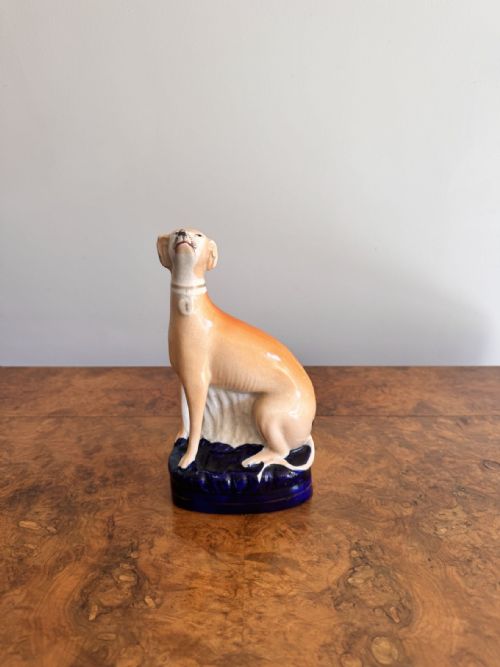
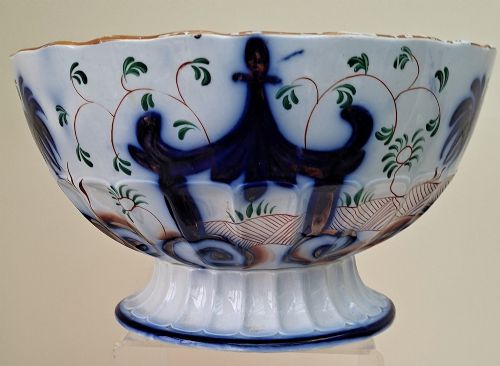
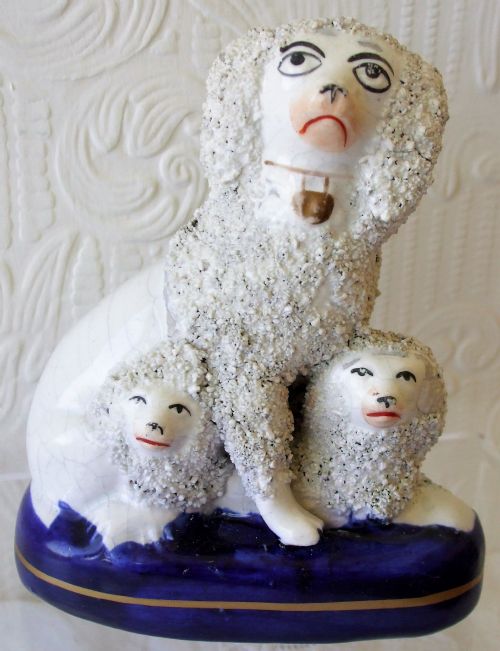
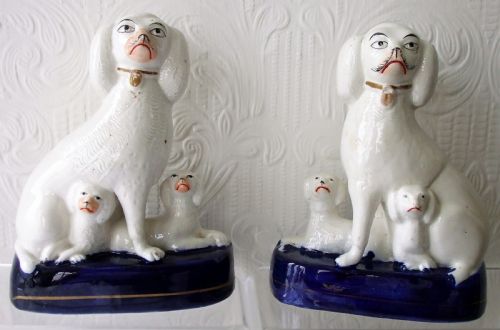
The Victorian Staffordshire figures, including seated greyhounds, poodles with pups, dalmatian inkwells, and spaniels on cushions, represent the most frequent finds on this page. Other examples include Gaudy Welsh footed bowls and Royal Doulton tobacco jar lamps.
How they were made
Makers utilised earthenware and glazed ceramic bodies decorated with cobalt glaze, enamel, and gold leaf or gilt. Techniques involved shaping pottery into figures, bowls, and domes before applying detailed surface glazes.
Vessels and figures integrate cobalt blue bases with intricate hand-painted accents and surface encrusting. These manufacturing methods defined the production standards of nineteenth and early twentieth-century potteries.
Cobalt Blue Base Pottery Retail Price Guide 2026
Typical asking prices for cobalt blue base pottery among the pieces listed under this phrase on Sellingantiques today, from the lower quarter to the upper quarter. They describe what is for sale here now, not the wider market.
Object forms on this page include decorative figurines, cheese domes, footed bowls, inkwells, and tobacco jar lamps.
What varies in quality
Quality rests upon the crispness of the moulded form and the depth of the cobalt glaze. Superior examples display precise application of enamel and gold leaf without blurring.
Finer specimens maintain intact surface encrusting and clear detailing on figures like poodles and greyhounds. The richness of the cobalt blue base determines visual presence across bowls and vases.
The Cobalt Blue Base Pottery Glossary
- Cobalt glaze
- A ceramic colouring oxide producing intense blue tones when fired. It provides the signature foundation for these bases.
- Earthenware
- Porous pottery fired at lower temperatures, commonly utilised for Victorian figures. It requires a glaze for water retention.
- Enamel
- Opaque vitreous composition fused to the ceramic surface for decoration. It introduces bright colour accents to figures.
- Gilt
- A thin layer of gold applied to the pottery surface. It highlights specific decorative elements on bowls and figurines.
- Cheese dome
- A specialised ceramic cover designed to preserve cheese on a matching footed tray. These often feature decorated bases.
Cobalt Blue Base Pottery: Frequently Asked Questions
What periods do these pieces date from?
The selection spans the nineteenth and early twentieth centuries, featuring Victorian, Edwardian, and Qing Dynasty examples.
Most items originate from the Victorian era, particularly around eighteen sixty, reflecting popular Staffordshire pottery traditions.
How were Staffordshire figures used?
Staffordshire figures served as decorative mantel ornaments in Victorian homes. They brought colourful animal subjects into domestic parlours.
Specific pieces like inkwells also fulfilled desk functions while maintaining sculptural appeal.
What materials are common in these ceramics?
Makers relied on earthenware, pottery, and glazed ceramic bodies. These were finished with cobalt glaze, enamel, and gold leaf.
The combination of these materials created durable decorative objects with striking blue foundations.