


Coastal Harbour Art
Coastal harbour art captures maritime commerce and coastal community life through traditional watercolours and oil paintings from across the nineteenth and twentieth centuries.
Coastal Harbour Art
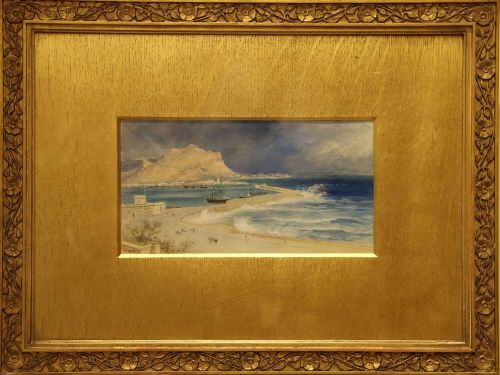
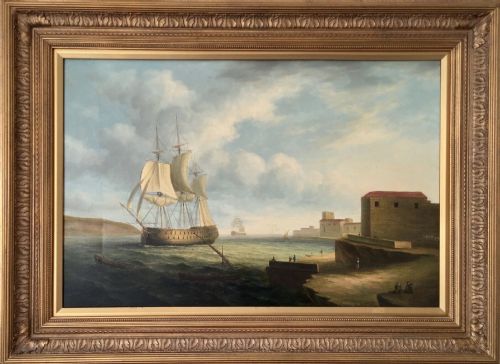
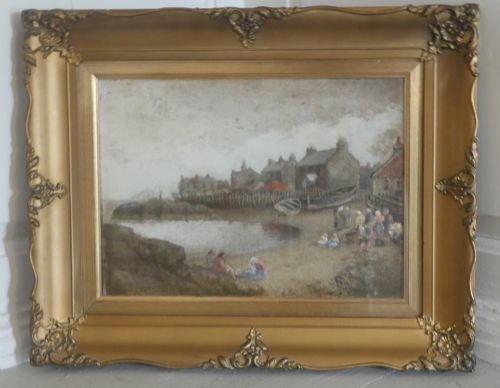
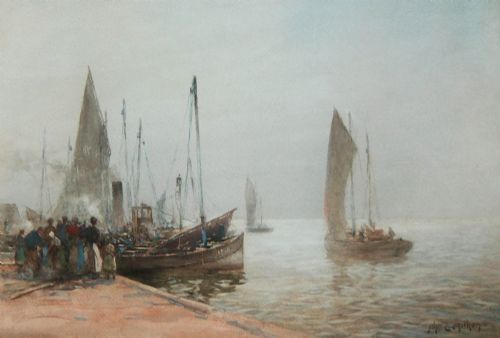
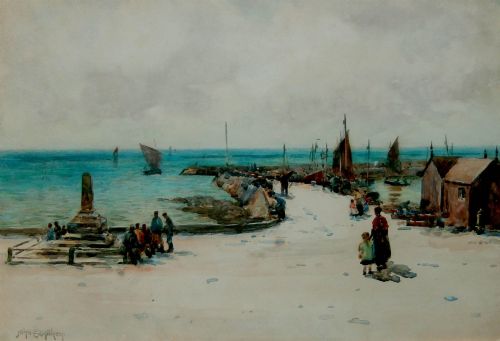
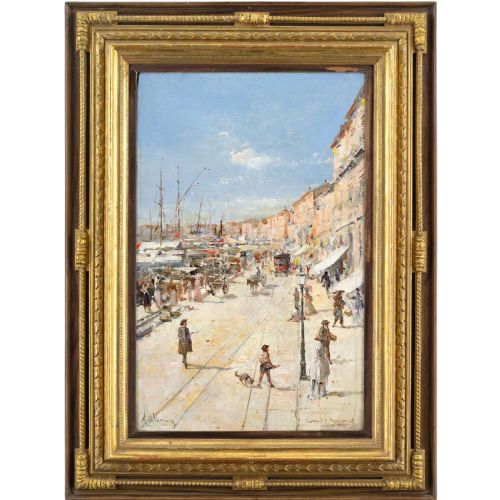
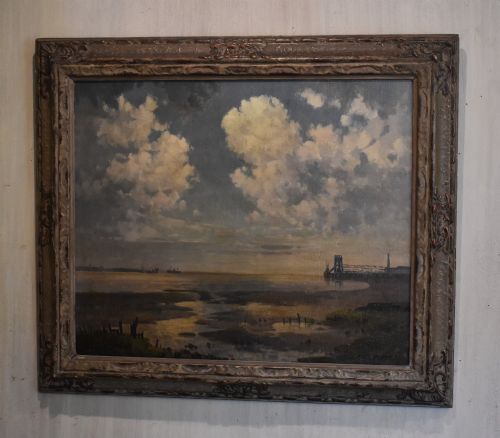
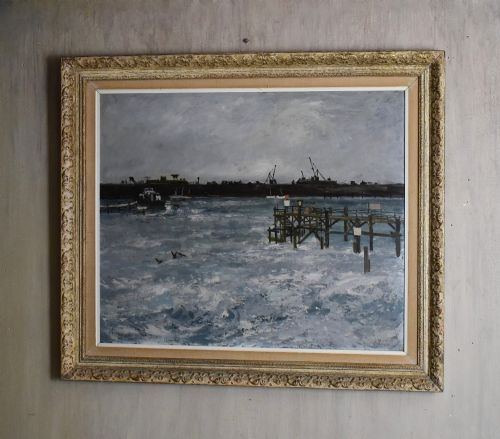
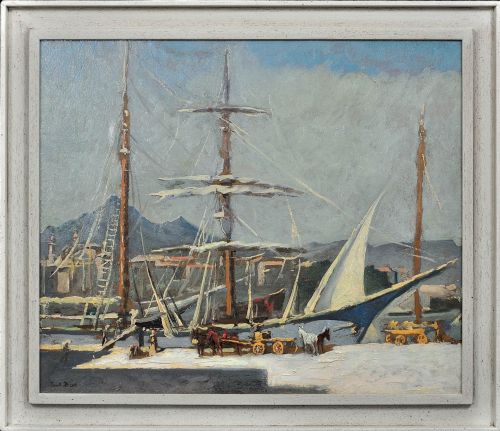
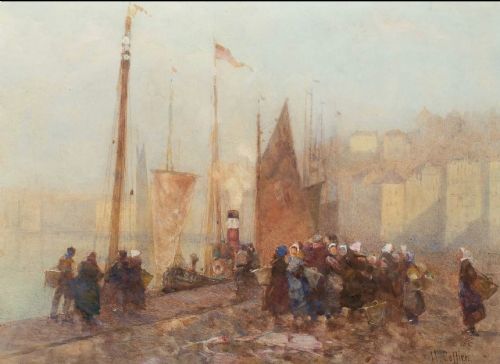
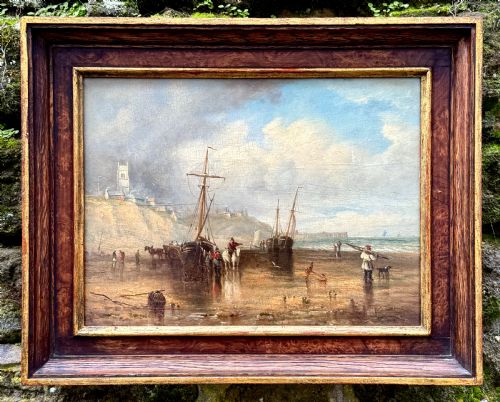
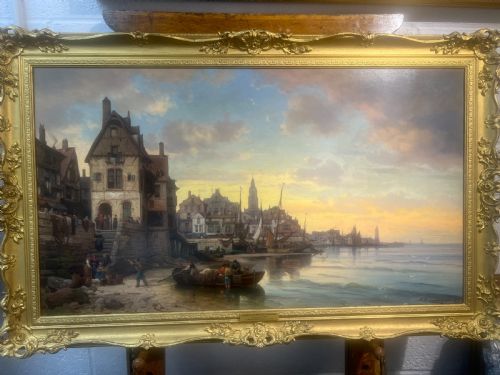
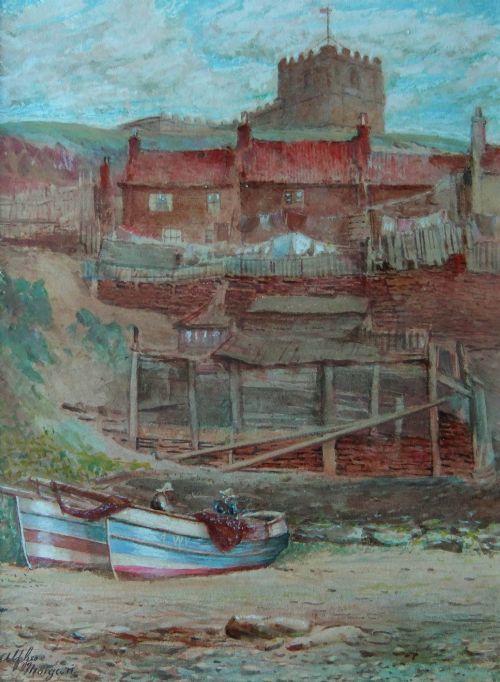
When you search for coastal harbour art, you encounter framed paintings depicting busy quaysides, fishing fleets, and tidal inlets from Britain and continental Europe. These works range from detailed nineteenth-century maritime watercolours to mid-century modern oil paintings on board.
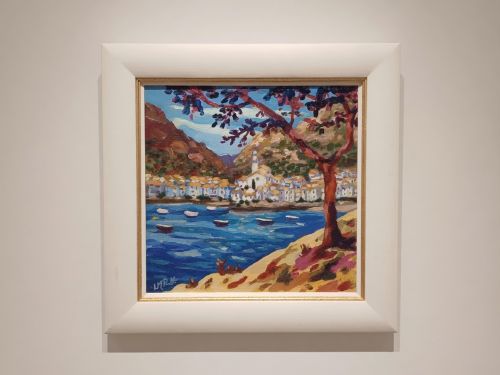
The selections available lean heavily toward historic British fishing ports such as St Ives, Whitby, and Looe, alongside Mediterranean scenes from the French Riviera and Sicily. Traditional watercolours on paper sit alongside rich oil paints on canvas and panel, spanning the Victorian era through the mid-twentieth century.
Collectors find representations of specific locations, including Valletta Harbour, Folkestone, and Scarborough Bay, rendered by regional artists who recorded the daily routines of maritime life. These pieces serve as both historical documents of changing port architecture and expressions of diverse artistic movements.
Materials and technique
Artists utilised watercolour on paper for delicate atmospheric effects, capturing the changing light of northern seas and tidal harbours with transparent washes. Pigments were applied to textured paper stock, sometimes complemented by pencil underdrawing to define rigging and architecture.
Oil paint was applied to canvas, wood panels, or artist boards to build richer impasto textures, particularly in mid-century works depicting southern sunlight and heavy industrial quays. Gilt wood frames frequently house these paintings, providing a traditional boundary that enhances the depth of the composition.
Materials recorded across current works include canvas, glass, gilt wood, paper, and traditional wood panels.
Evaluating the work
Quality rests upon the artist's ability to command atmosphere, spatial depth, and light, transforming a topographical record into a compelling maritime scene. Stronger compositions demonstrate confident brushwork and precise handling of reflections on water, whereas lesser examples rely on formulaic formulas.
Provenance and documentation elevate certain pieces, particularly when a painting bears a clear signature, a titled exhibition label, or attribution to a recognised regional school. The preservation of the original medium, whether paper or canvas, combined with an appropriate period frame, maintains the historical integrity of the piece.
James E. Aitken·Thomas Creswick·William Lee Hankey·Jean-Baptiste Olive·Paul Delvaux
The Coastal Harbour Art Glossary
- Impasto
- Paint applied thickly to a canvas or board, standing in relief and showing visible brush or knife marks. This technique adds tactile depth and catches light across the surface of the work.
- Watercolour
- A painting method where fine pigment is suspended in a water-soluble binder and applied to paper. It relies on the white of the paper to show through translucent washes.
- Gilt wood
- Wood carved and coated with a thin layer of gold leaf or metallic gilt paint. This traditional frame finish was designed to isolate and elevate framed artwork.
- Marine art
- Painting or visual depiction inspired by the sea, ships, and coastal environments. This genre encompasses both calm harbour views and dramatic ocean storms.
- Provenance
- The chronological history of the ownership of a piece of art. Clear provenance helps verify the authenticity and historical context of the work.
Coastal Harbour Art: Frequently Asked Questions
What periods do these paintings cover?
The available artworks span from the nineteenth century through the mid-twentieth century, capturing shifts in artistic technique and maritime commerce.
Victorian watercolours give way to Edwardian coastal scenes and later mid-century modern interpretations of European and British ports.
Are these works signed by the artists?
Many of the listed pieces feature original signatures, artist inscriptions, or studio labels on the reverse detailing the specific harbour depicted.
Documentation often identifies regional painters associated with specific coastal art colonies and schools.
How should I display coastal paintings?
These framed watercolours and oil paintings suit traditional wall display away from direct sunlight to protect delicate pigments on paper and canvas.
Matching the period of the artwork with an appropriate wooden or gilt frame preserves the visual balance of the piece.
What subjects appear most frequently?
Common subjects include working fishing ports, moored sailing vessels, loading quays, and tidal estuaries across British and Mediterranean coastlines.
Artists focused on the daily labour of fishermen, historic harbour walls, and the changing atmospheric conditions of coastal landscapes.